WHOOP Alternatives in 2026: 5 Recovery Trackers With No Subscription

Written by
The Recover StackRecover Stack Editorial TeamExpert Reviewed
Recover Stack Review ProcessResearched from specs and verified owner reviewsUpdated
October 9, 2026WHOOP makes a genuinely useful recovery band, then charges you $199 a year to keep using it. Skip the renewal and the band on your wrist becomes jewelry. Thats the whole reason this list exists.
Each of the five trackers below gives you recovery scores, sleep staging, and training load for one upfront price. Three have screens, two are rings, and none of them bill you monthly for your own data. We dug through the spec sheets and owner feedback for the closest competitors and ranked them by how much of the WHOOP experience they actually replace.
Quick Jump
1
Amazfit Balance 2
Best overall WHOOP replacement
$244.99
Price
~21 days
Battery
1.5 in
AMOLED
$0/mo
Subscription
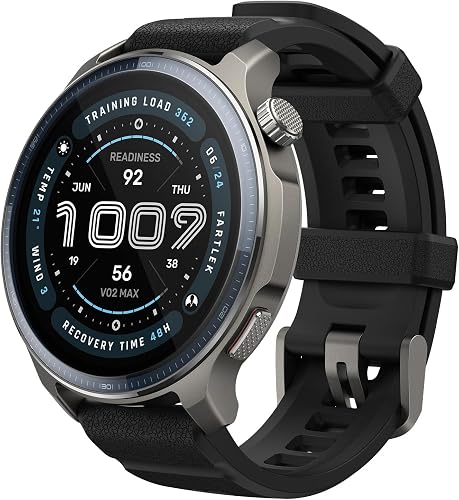
A readiness score lands on your wrist every morning, built from overnight HRV, resting heart rate, and sleep debt. That is the same loop WHOOP bills $199 a year for, except here it comes with a bright 1.5 inch AMOLED, dual band GPS, and sapphire glass you pay for once. Battery lasts around three weeks with normal use. We reviewed the original Balance and liked it; the 2 fixes the slow GPS lock that bugged us most.
$295.39
Check Price on Amazon
2
Amazfit Helio Ring
Cheapest screenless option
$136.05
Price
~4 days
Battery
Titanium
Shell
$0/mo
Subscription
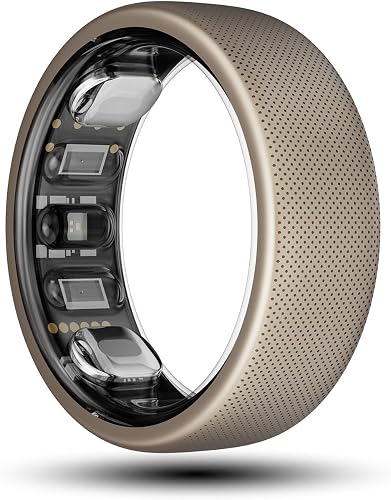
If what you like about WHOOP is that it disappears on your body, the Helio is the closest swap here, a titanium ring that scores your recovery in the same Zepp app the watches use. Our full Helio review covers it in detail, including the fact that Readiness insights need a Zepp Aura subscription. Fair warning, reviews on this listing skew mixed and most complaints are sizing, so use the ring sizer before ordering. At $136 its the cheapest way onto this list.
$149.99
Check Price on Amazon
3
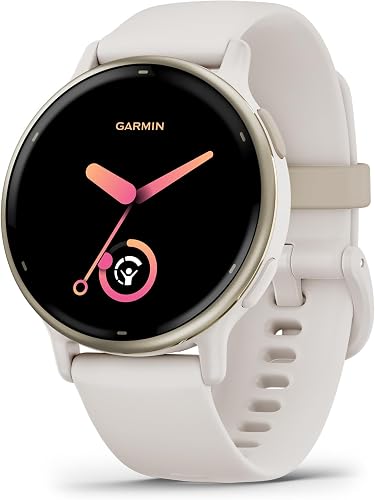
Garmin Vivoactive 5
Best app ecosystem, Body Battery included
$189.99
Price
11 days
Battery
AMOLED
Display
$0/mo
Subscription
Garmins Body Battery does what WHOOP calls recovery, a 0 to 100 number that drains with strain and refills with sleep, and Garmin Connect has stayed free for over a decade. Sleep coach, HRV status, and nap detection all run locally with no paywall. One honest gripe: there is no barometric altimeter, so stair climbs and elevation on hikes get estimated from GPS.
$189.99
Check Price on Amazon
4
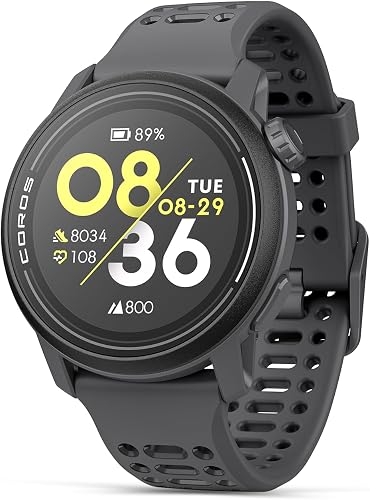
COROS PACE 3
Best for runners who want training load
$199
Price
17 days
Battery
30 g
Weight
$0/mo
Subscription
The PACE 3 weighs 30 grams and still runs 17 days between charges, which is the kind of math that makes WHOOP owners look up from their charging cable. COROS EvoLab tracks training load, fatigue, and a recovery timer that tells you when your legs are ready for intervals again. It looks like a running tool because it is one, wear it to a wedding and someone will ask about your marathon.
$199.00
Check Price on Amazon
5
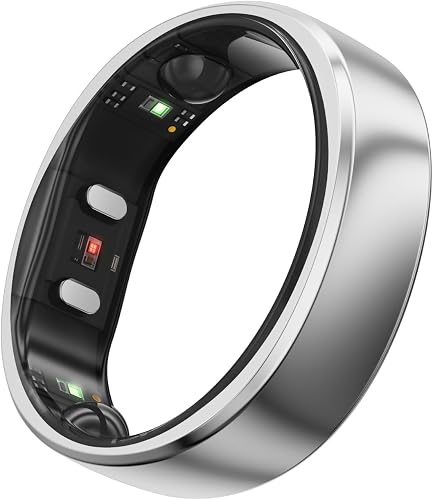
RingConn Gen 2
Best battery life in a ring
$299
Price
10-12 days
Battery
Apnea flag
Sleep extra
$0/mo
Subscription
Most smart rings tap out after four or five days. The Gen 2 runs well past a week, and it screens for sleep apnea patterns, something neither WHOOP nor Oura offered at this price when we checked. The app is free forever, no premium tier hiding your own trends. Recovery scoring is lighter than the watches above, more wellness summary than training tool, which is why it sits at five.
Frequently Asked Questions
Do any of these charge a monthly fee?
No, thats the point of the list. Every tracker here unlocks its recovery and sleep features with the purchase price. Oura is the big name we left off for exactly this reason, its ring is nice but the app wants $5.99 a month.
Which one feels most like an actual WHOOP?
The Helio Ring. No screen, nothing to check during the day, just a recovery number in the app each morning. If you want zero distraction that is the pick.
Are the recovery scores as accurate as WHOOPs?
For overnight HRV and sleep trends they land close, we saw the same good and bad days flagged across devices. None of these are medical instruments though. Pick one, wear it consistently, and trust the trend more than any single score. Is our WHOOP 5.0 still on a shelf somewhere? Yes it is.