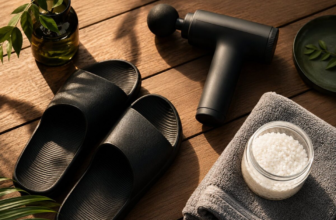
Running puts a different kind of stress on the body than lifting. Repeated low-grade impact, eccentric quad load on every footstrike, calf and Achilles work, plantar tightness from miles on hard surfaces. The recovery tools that work best for runners are different from the ones lifters reach for. Here’s what’s actually worth grabbing if running is your main thing.
1
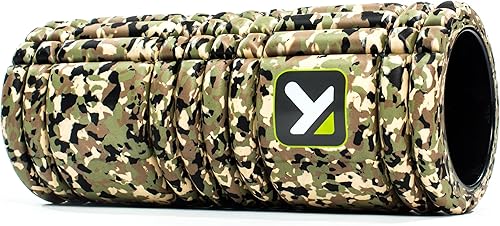
TriggerPoint Grid Foam Roller
The single most-used tool for any runner
9.4
IT bandsCalvesLasts forever
IT bands, calves, hamstrings, glutes, all benefit from 5 to 10 minutes of rolling post-run. The TriggerPoint Grid is the standard. Don’t overthink this one, get a $35 grid roller, use it after every run.
2
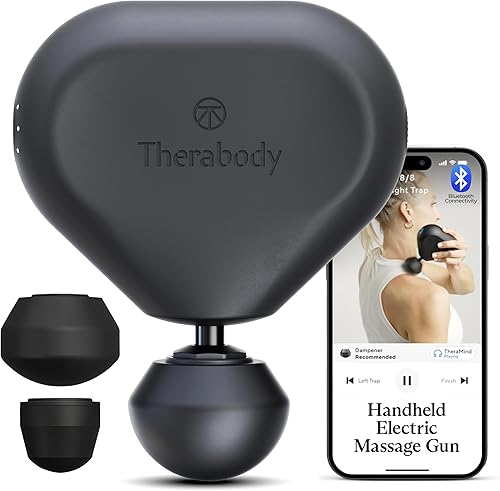
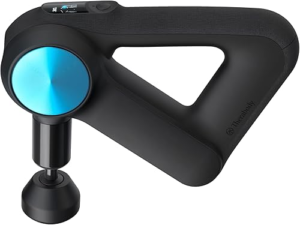
Theragun Mini
The travel-friendly massage gun
9.0
Packs smallCalves and feet
Perfect for runners who travel for races. Gets into the calves and feet better than a foam roller. Mini is the smart pick for runners specifically, full-size guns are heavier than you need.
3
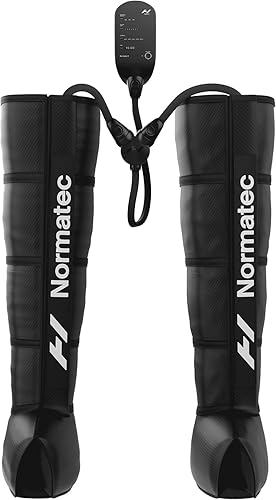
Hyperice Normatec 3 Legs
The big-ticket runner upgrade
9.2
30+ mile weeksLeg fatigue
Compression boots dramatically reduce post-long-run leg fatigue. Pricey but if you’re running 30+ miles per week, the recovery quality is real. More on compression boots in
our guide.
4
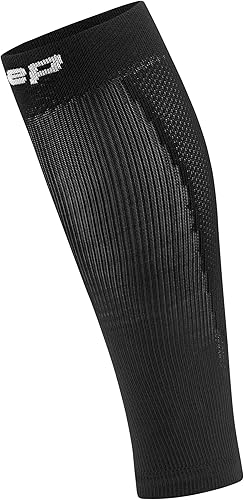
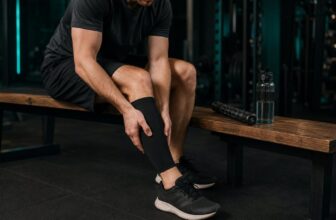
CEP Compression Calf Sleeves
The budget compression option
8.7
Wear on the runWashable
Cheaper alternative to full compression boots. Wear during long runs to reduce calf fatigue, or post-run for recovery. Lightweight, washable, easy. Recommended for marathon trainers.
5
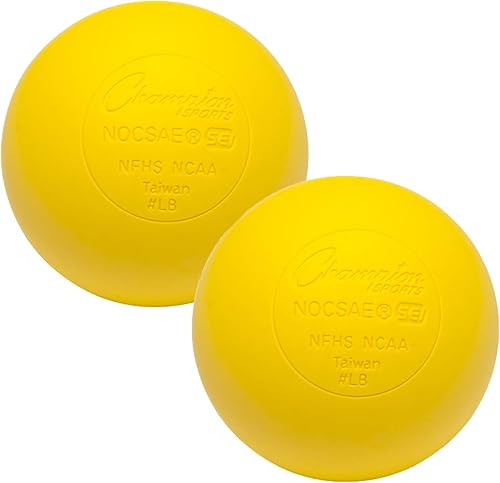
Lacrosse Ball
Cheap, mean, and gets the spots rollers cant
8.9
Plantar fasciaGlute medius
For glute medius and plantar fascia release, two notorious runner trouble spots that foam rollers can’t reach. A regular hardware-store lacrosse ball does the same job as the $30 “recovery balls” sold by recovery brands.
6
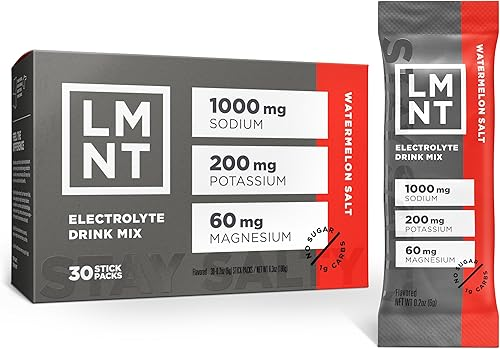
LMNT Electrolyte Mix
Real sodium for runs over an hour
8.8
Proper sodiumZero sugar
Skip Gatorade. Real electrolyte mixes (LMNT especially, with proper sodium content) make a noticeable difference for runs over 60 minutes. Boring but real.
7
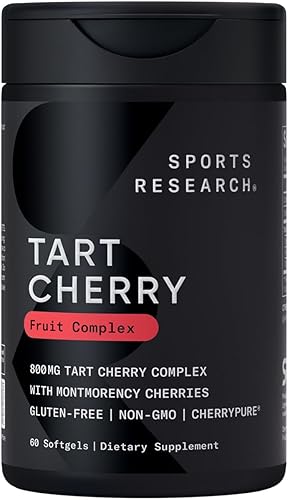
Tart Cherry Supplement
Modest effect, low downside
8.2
DOMSMarathon blocks
Some research showing reduced DOMS and inflammation markers in runners using tart cherry. Modest effect, low downside. Worth experimenting with if marathon training and dealing with cumulative fatigue.
8
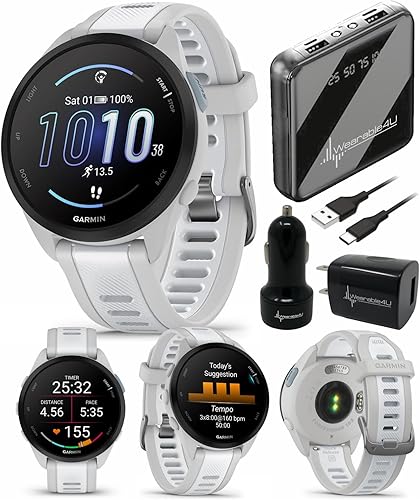
Garmin Forerunner 165
Recovery-aware GPS watch
9.0
Training loadSleep tracking
The training load and sleep tracking on these matters more than the GPS for serious runners. Garmin Body Battery and COROS recovery scores both genuinely shift training decisions. The Forerunner 165 is the sweet price point in the lineup right now.
9
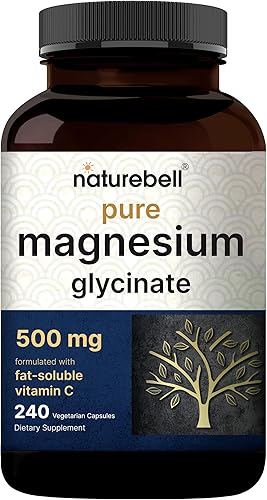
Magnesium Glycinate
Boring supplement, real benefit
8.5
Heat trainingSleep
Especially useful for runners who train in heat (sweat depletes magnesium) and/or struggle with sleep. 200 to 400mg before bed is right balance.
10. Sauna (gym membership or home unit)
Heat acclimation training is genuinely useful for runners. Regular sauna sessions improve plasma volume and cardiovascular efficiency. If your gym has one, use it 2 to 3 times per week post-run. No product link here, the membership you already have is the cheapest way in.
The runner-specific picks order
If you’re a runner starting from zero and have $200 to spend, here’s the order:
- TriggerPoint Grid foam roller ($35)
- Lacrosse ball ($10)
- Electrolyte mix ($30/month, ongoing)
- Compression sleeves ($40)
- Save up for a Theragun Mini or jump straight to Normatec if budget allows
The big mistake most runners make is buying gear without first nailing the basics: sleep, fuel, easy-day pacing. Recovery tools amplify what’s already working. They don’t fix bad training plans.
Browse our recovery products archive for full reviews on the picks above. Want deeper picks per tool? Our best massage guns roundup and compression boots guide go further. Lifting too? See the recovery stack for lifters. On a bike too? See our recovery picks for cyclists for sport specific gear.
As an Amazon Associate, we earn from qualifying purchases.