Foam Roller vs Massage Gun: Which One Should You Buy First in 2026?

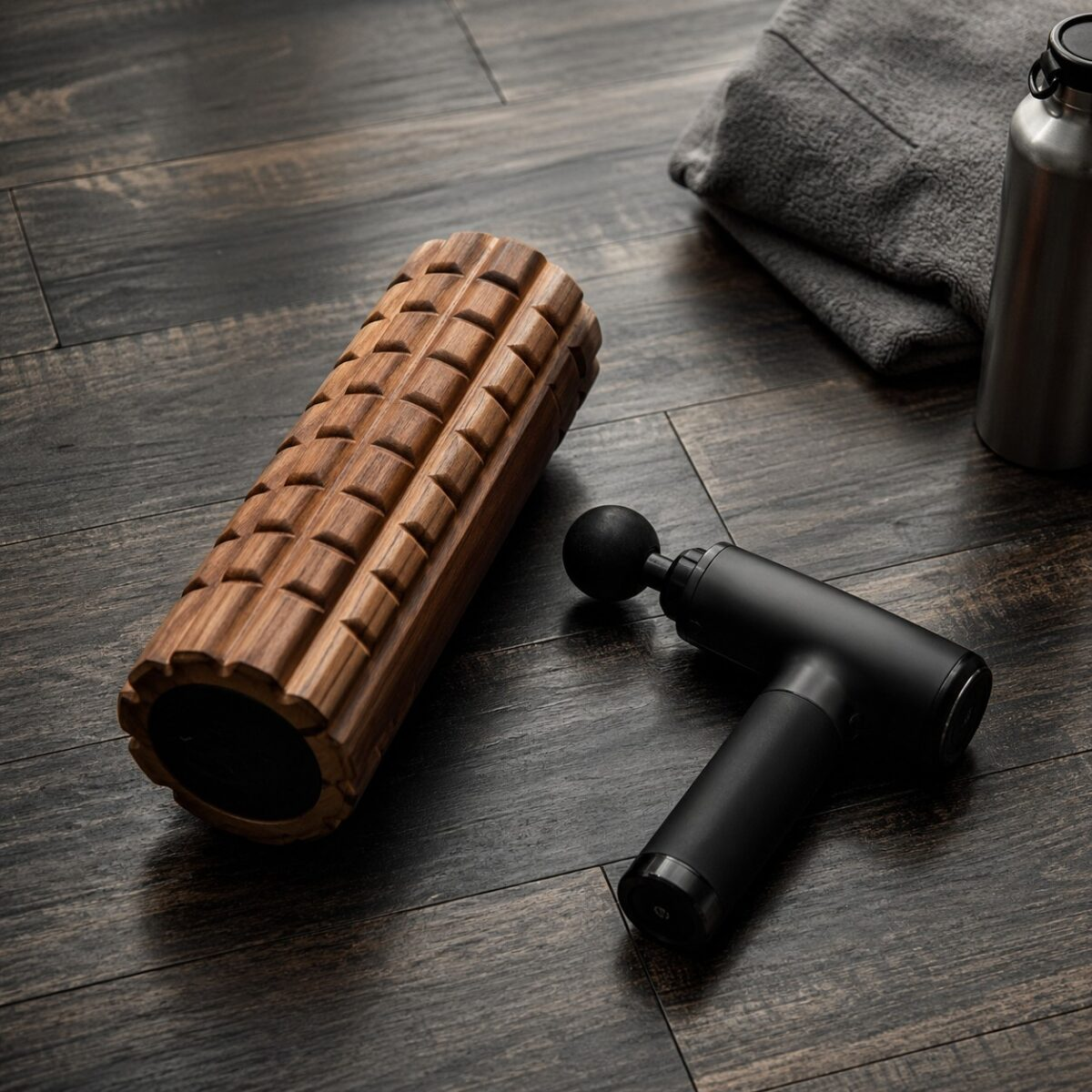
If you’re new to recovery and trying to pick your first real tool, the choice usually comes down to two things. A foam roller or a massage gun. Both work. Both have fans. Both will help you bounce back from training. But they hit muscles differently, cost different amounts, and one might be a way better fit for you depending on what you actually do.
Both have long track records. Here’s the honest breakdown.
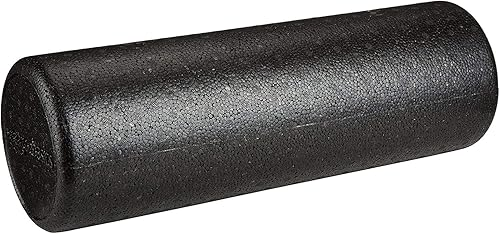
Foam Roller
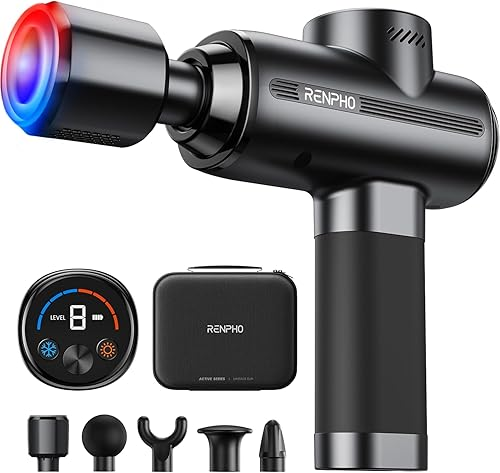
Massage Gun
| Feature | Foam Roller | Massage Gun |
|---|---|---|
| Cost | $15 to $40 | $80 to $400 |
| Coverage | Whole body, big surfaces | Targeted, smaller area |
| Best for | Quads, IT band, back, glutes | Calves, traps, forearms, hard knots |
| Setup time | Zero | Charge battery, swap heads |
| Travel friendly | Bulky for full size | Most are travel size |
| Maintenance | None, lasts years | Battery degrades, heads wear |
| Noise | Silent | Loud at high settings |
| Learning curve | Mild, takes a week to get the hang of | Almost none |
| Pre workout use | Slow, wakes muscles up | Faster, more activating |
| Post workout use | Better for full body flush | Good for sore spots |
Foam Roller, Pros & Cons
What We Liked
- Hard to beat for the price. A good roller is under $20 and lasts a decade.
- Covers your whole posterior chain in 5 minutes if you know what you’re doing.
- Doubles as a yoga prop, balance trainer, and back stretcher.
- Silent. You can use it while watching TV without annoying anyone.
- Cant break, cant run out of battery, cant malfunction.
Worth Knowing
- Painful at first. Like really painful for a few weeks.
- Cant hit certain spots well. Try foam rolling your forearm and youll see what I mean.
- Takes longer than a massage gun to get into deep tissue.
Massage Gun, Pros & Cons
What We Liked
- Hits small, hard to reach muscles a roller cant touch.
- Faster to use. 30 seconds per spot vs 90 seconds with a roller.
- Less painful than rolling for most people.
- Great for pre workout activation, especially for stiff calves and hips.
Worth Knowing
- Costs 5x to 20x more than a roller for the same recovery benefit.
- Loud. Even quiet models hum like a power tool.
- Battery dies. Cheap ones die fast.
- Easy to overdo it. People bruise themselves all the time.
So Which One Should You Buy First?
Get the foam roller. Almost every time.
A $15 to $20 roller will hit 90% of what you need it to hit, especially for the big muscle groups that get tight from running, lifting, or sitting at a desk all day. Once you’ve used a roller for a few months and you know which spots really need help (usually calves, neck, and forearms for desk workers), then you can drop the money on a massage gun for those targeted areas.
The exception. If you travel a ton, a small massage gun packs better than a full size roller. Or if you’ve got hands that cant grip well, the gun does the work for you.
Our Recommended Picks
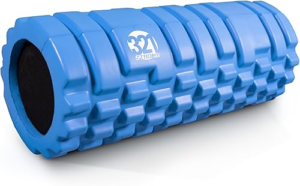
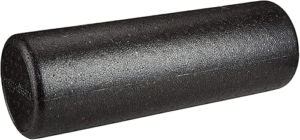
For the foam roller side, we keep coming back to the 321 STRONG Foam Roller ($24, over 41,000 reviews) for the firm but not punishing density. If you want something gentler to start with, the Yes4All EPP Foam Roller ($15) is the budget pick.
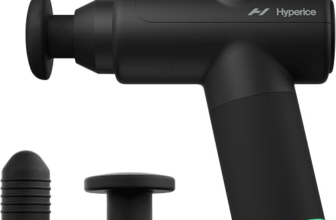
For the massage gun side, look at our Theragun alternatives roundup if you don’t want to spend $400, or the Hypervolt 2 Pro review if you want premium without going full Theragun. New to massage guns entirely? Read our 2026 buyers guide first.
The Bottom Line
If you only buy one, buy a foam roller. Its cheaper, lasts forever, hits more muscle, and youll learn which spots need extra love before you spend $200 on a tool that targets them. If youve already got a roller and youre noticing the same spots staying tight (looking at you, calves), then a massage gun is the right second buy. Most serious lifters and runners end up with both eventually.
You might also like:
- Best Recovery Tools After a Marathon in 2026
- Best Recovery Tools for Desk Workers with Back Pain
- Best Recovery Tools for Plantar Fasciitis
Browse all Recovery Science guides >
Disclosure: Some links in this article are affiliate links. We may earn a commission at no extra cost to you.
As an Amazon Associate, we earn from qualifying purchases.