

Recovery science changes fast. A lot of advice that sounded right ten years ago has been quietly debunked, but the gym wisdom keeps repeating itself anyway. We pulled the eight most common ones, looked at what the actual research says, and what you should do instead.
1. “No pain, no gain”
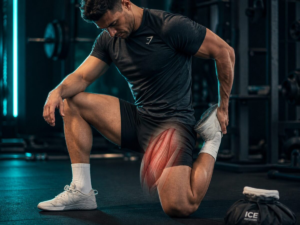
Pain is a signal, not a goal. Real research distinguishes between productive muscle fatigue (the stuff that goes away in 24 to 48 hours and means you trained hard) and joint or sharp pain (the stuff that means you’re hurting yourself). Pushing through the wrong kind makes you worse, not stronger. The 2024 review in Sports Medicine tied “pain through workout” habits to a 31 percent higher injury rate over 12 months.
2. “Lactic acid causes soreness”
This one was busted in the 80s and somehow still gets repeated. Lactic acid is gone within an hour of training. Delayed onset muscle soreness (DOMS) is from microscopic muscle fiber damage, an inflammatory response, not lactic acid. More on DOMS here.
3. “Static stretching prevents injury”
It doesn’t, and it might actually hurt your performance if done before lifting. A 2023 meta-analysis covering 47 studies found pre-workout static stretching reduced strength output by an average of 4.6 percent. Save the long holds for after the workout. Use dynamic stretching to warm up.
4. “Ice every injury immediately”
RICE (rest, ice, compression, elevation) was created by Dr Gabe Mirkin in 1978. He publicly retracted the ice part in 2014. Inflammation is part of the healing process. Ice slows it. The current consensus from the British Journal of Sports Medicine moves toward “active recovery” instead. Short ice for pain relief is fine. Hours of ice is not.
5. “You need protein within 30 minutes after lifting”
The “anabolic window” has been stretched, then stretched again. The actual research now puts it closer to 4 to 6 hours. As long as you eat a balanced meal sometime in that window, your muscles will repair just fine. The protein shake-bag-in-the-gym-locker urgency is mostly a marketing thing.
6. “More foam rolling = better recovery”
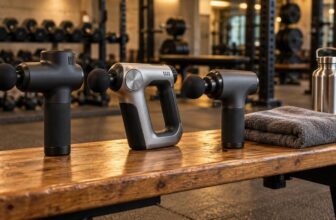
Diminishing returns are real. The research caps benefit around 60 to 90 seconds per muscle group. Beyond that you’re not getting more recovery, you’re just bruising tissue. Hit each major area for one to two minutes total, not five.
7. “Soreness means a great workout”
Soreness means you did something new or harder than usual. It’s not a measure of training quality. Some of the best workouts produce zero soreness. Some of the worst produce crippling DOMS. Track your numbers (weight lifted, reps, recovery heart rate), not your aches.
8. “You should stretch before bed for recovery”
Stretching at night doesn’t speed muscle repair. It can help with sleep onset if it’s gentle and relaxing, but it’s not a recovery tool the way people sometimes claim. The single biggest sleep-related recovery factor is total hours of sleep, not what you do in the 10 minutes before bed.
What actually works
Sleep, real food, water, and progressive overload. Boring, but the research keeps confirming the same short list. The fancy gear and the supplements are useful at the margins, after the basics are dialed in.
If you’re starting out, our recovery beginner’s guide covers the actual order to add tools.
You might also like:
Disclosure: Some links in this article are affiliate links. We may earn a commission at no extra cost to you.
Gear Worth Considering
The two tools we see doing the most practical good for the least money.
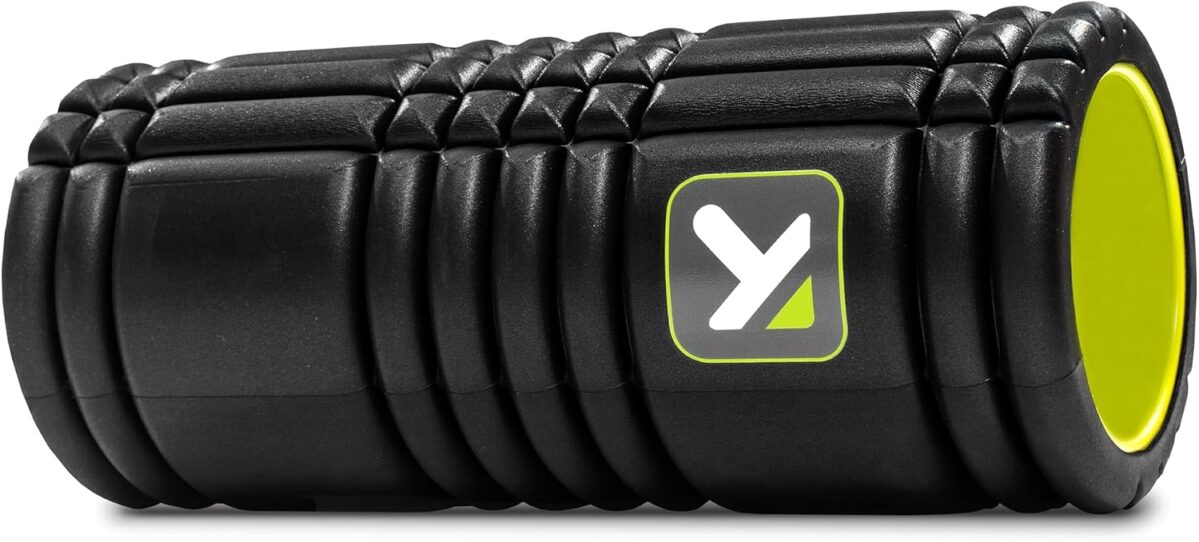
$24.97 on Amazon at time of writing · 4.7 stars from 23,000+ ratings
Check Price on Amazon
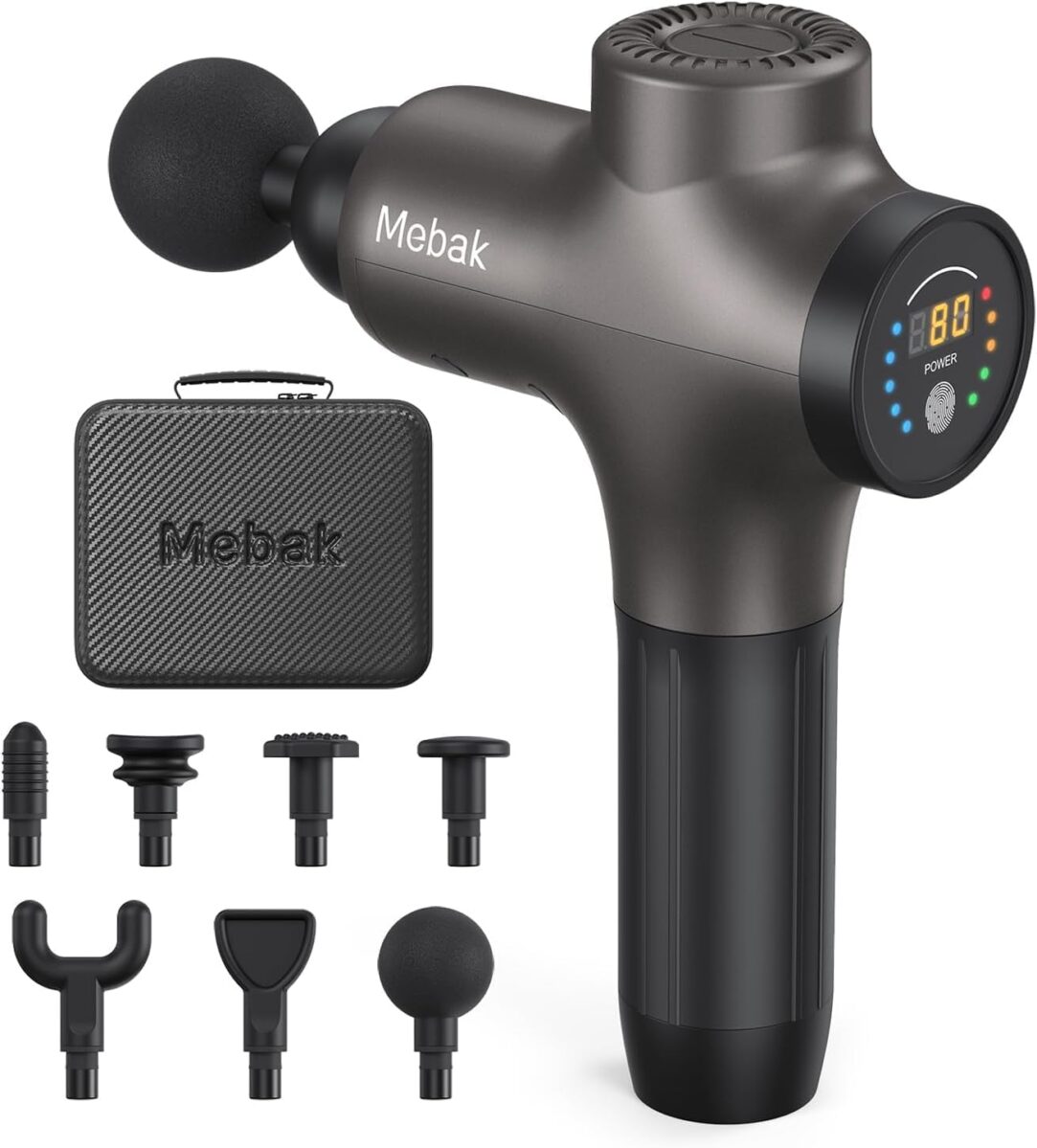
$80.74 on Amazon at time of writing · 4.7 stars from 19,000+ ratings
Check Price on Amazon
As an Amazon Associate, we earn from qualifying purchases.