






Two of the most popular recovery methods in fitness right now are compression therapy and cold therapy. Professional athletes swear by both, recovery studios offer both, and you can now do both at home. But they work in completely different ways, and choosing the right one (or knowing when to use each) can make a real difference in how fast you recover.
Let’s break down the science, compare the benefits, and help you figure out which method fits your training and recovery needs.
How Compression Therapy Works
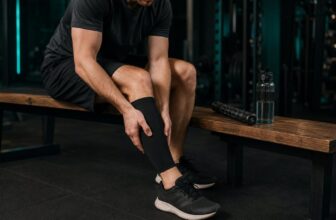
Compression therapy uses mechanical pressure to improve blood circulation and lymphatic drainage. Modern pneumatic compression devices, like recovery boots, use air chambers that inflate and deflate in sequence, creating a wave-like massage that pushes fluid from your extremities back toward your heart.
What it does at the cellular level:
- Increases venous blood flow by up to 40%, accelerating the delivery of oxygen and nutrients to damaged muscle tissue
- Flushes metabolic waste products (lactate, creatine kinase) from muscles more efficiently than passive rest
- Reduces interstitial fluid accumulation, the swelling that contributes to stiffness and soreness
- Stimulates the lymphatic system, which doesn’t have its own pump and relies on external pressure to move fluid
Best for:
- Leg-heavy training days (squats, running, cycling)
- Reducing swelling after high-volume training
- People who are on their feet all day
- Recovery between back-to-back training sessions
- Anyone who finds cold exposure uncomfortable or impractical
How Cold Therapy Works
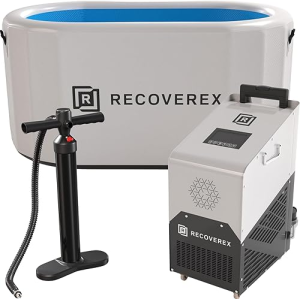
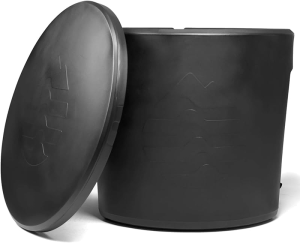
Cold therapy, whether it’s an ice bath, cold plunge tub, or localized cold pack, works by constricting blood vessels and reducing the metabolic rate of tissues. When you immerse yourself in cold water (typically 50–59°F / 10–15°C), several physiological responses kick in.
What it does at the cellular level:
- Vasoconstriction reduces blood flow to the area, limiting the inflammatory cascade and reducing swelling
- Lowers tissue temperature, which slows cellular metabolism and reduces secondary tissue damage
- Upon rewarming, vasodilation creates a “pumping” effect that flushes the area with fresh, oxygenated blood
- Triggers norepinephrine release (up to 200–300% increase), which reduces pain perception and improves mood
- Activates brown fat and increases metabolic rate temporarily
Best for:
- Acute inflammation after very intense or eccentric-heavy workouts
- Contact sports or training that causes impact-related swelling
- Mental recovery, the norepinephrine boost has real mood and focus benefits
- Hot training environments where core temperature needs to come down
- People who respond well to the “stress and adapt” approach
Head-to-Head Comparison
| Factor | Compression Therapy | Cold Therapy |
|---|---|---|
| Soreness reduction | Moderate, reduces DOMS by improving circulation | Strong, numbs pain and reduces inflammation directly |
| Swelling reduction | Excellent, mechanically pushes fluid out | Good, constricts vessels to limit swelling |
| Muscle growth impact | Neutral, doesn’t interfere with adaptation | May reduce gains if used immediately post-workout |
| Comfort level | High, feels like a massage | Low initially, requires mental toughness |
| Session duration | 20–30 minutes | 2–10 minutes |
| Entry cost | $150–$800 for home devices | $0 (cold shower) to $500+ (cold plunge tub) |
| Mental benefits | Relaxing, good before sleep | Energizing, mood-boosting, builds discipline |
The Timing Factor: When Each Method Shines
One of the biggest discoveries in recovery science is that timing matters more than the method itself. Here’s when to use each:
Use Compression Therapy When:
- Immediately after training, compression doesn’t interfere with the muscle-building inflammatory response the way cold can
- Between double sessions, if you train twice a day, compression boots between sessions can noticeably reduce fatigue
- Before bed, the relaxing effect helps with sleep quality
- On rest days, accelerates recovery without adding any stress to your system
Use Cold Therapy When:
- 3+ hours after a hypertrophy workout, this avoids blunting the muscle-building response while still getting anti-inflammatory benefits
- Immediately after endurance training, cold therapy is less problematic for endurance adaptations than for strength/hypertrophy
- When you need a mental reset, the norepinephrine boost is real and powerful
- During hot weather training, cold immersion is the fastest way to bring core temperature down
Can You Use Both? The Combination Approach
Yes, and many elite athletes do. The combination of compression and cold therapy (sometimes called “contrast recovery”) can be more effective than either method alone.
A solid combined protocol looks like this:
- Finish your workout and cool down normally
- Use compression therapy for 20 minutes within the first 1–2 hours
- Later in the day (3+ hours post-workout), do a cold plunge for 3–5 minutes
- Follow the cold plunge with another 15–20 minutes of compression to enhance the rewarming circulation effect
This gives you the best of both worlds: improved circulation and lymphatic drainage from compression, plus the anti-inflammatory and mental benefits of cold exposure, without interfering with muscle adaptation.
The Verdict
There’s no single “better” method. Compression therapy is the safer, more comfortable choice that you can use anytime without worrying about interfering with your gains. Cold therapy is more potent for acute inflammation and mental toughness but requires more careful timing.
If you’re buying your first recovery tool, compression boots are the more versatile investment, you’ll use them more often and with fewer restrictions. Add cold therapy when you’re ready for the next level.
Check out our compression recovery gear reviews and cold therapy product roundups to find the right tools for your recovery setup.
Disclosure: Some links in this article are affiliate links. We may earn a commission at no extra cost to you.