




Cold therapy has gone from an elite athlete’s secret to a mainstream wellness practice. But with options ranging from $50 inflatable tubs to $5,000+ chilled plunge pools, how do you know what’s worth your money? This guide covers everything you need to consider before investing in cold therapy equipment for home use.
Understanding Cold Therapy: The Science Behind the Chill
Cold water immersion triggers a powerful physiological response. When your body is submerged in water below 59°F (15°C), several things happen: blood vessels constrict (vasoconstriction), reducing inflammation and swelling in muscles and joints. Your nervous system releases norepinephrine — up to 2-3x baseline levels — which improves mood, focus, and energy. Over time, regular cold exposure has been shown to improve circulation, boost immune function, and enhance recovery between training sessions.
Types of Cold Therapy Equipment
Portable/Inflatable Cold Plunge Tubs
Price range: $50-$200 | Best for: Beginners and budget-conscious users
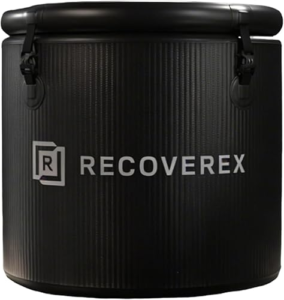
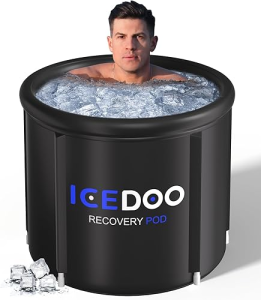
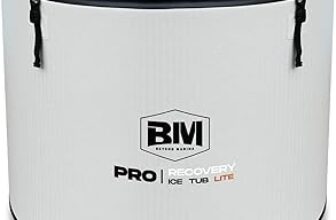
These lightweight, foldable tubs are the most affordable entry point into cold therapy. They typically hold 75-100 gallons of water and require you to add ice manually. Pros: very affordable, portable, easy to store. Cons: no built-in cooling, ice melts quickly, less insulated, may not fit taller individuals comfortably. Our recommendation: the Cold Pod Ice Bath Tub offers excellent value at just $109.
Insulated Cold Plunge Tubs
Price range: $300-$1,500 | Best for: Regular users who want better ice retention
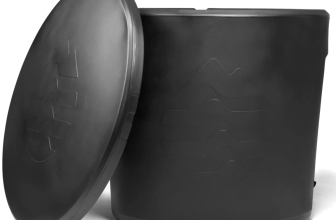
Mid-range tubs feature insulated walls that keep water cold much longer, reducing ice costs over time. Some include drain valves, built-in seats, and UV-resistant materials for outdoor use. The Ice Barrel 400 ($1,199) is our top pick in this category — its upright barrel design uses less water while providing full-body immersion, and the thick insulation keeps water cold for hours.
Chilled Plunge Pools (With Built-in Cooling)
Price range: $2,500-$10,000+ | Best for: Serious enthusiasts and home gym owners
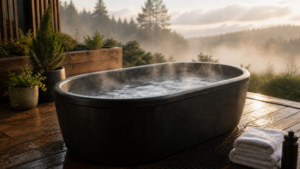
These are the premium tier — dedicated cold plunge pools with built-in chillers that maintain your target temperature automatically. No ice required. They typically include filtration systems, ozone sanitation, and digital temperature controls. While the upfront cost is significant, they eliminate ongoing ice costs and the hassle of preparation. Brands like Plunge, Cold Stoic, and Ice Barrel offer popular options in this space.
Key Factors to Consider
Size and capacity: Make sure the tub can accommodate your height and body type. Taller users (6’+) should look for tubs with at least 100 gallons or barrel-style designs that allow deeper submersion.
Insulation quality: Better insulation means less ice consumption and longer cold retention. Multi-layer insulated tubs can keep water cold for 4-8 hours versus 1-2 hours for uninsulated options.
Portability vs. permanence: If you rent your home or want flexibility, a portable tub is ideal. Homeowners with dedicated gym space may prefer a permanent chilled plunge setup.
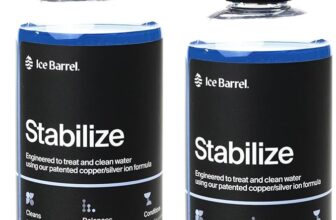
Maintenance: Standing water requires regular cleaning. Look for tubs with drain valves, and consider models with filtration if you plan to keep water in the tub between sessions. Adding hydrogen peroxide or ozone can help keep water clean.
Temperature range: Most cold therapy research supports water temperatures between 50-59°F (10-15°C). Hardcore practitioners may go as low as 38-45°F. Make sure your setup can reliably reach your target temperature.
How to Start a Cold Plunge Routine
If you’re new to cold therapy, start gradually. Begin with 30-60 seconds at around 60°F and work your way down in temperature and up in duration over several weeks. Most research suggests 2-5 minutes at 50-59°F provides best benefits. Focus on controlled breathing — in through the nose, slow exhale through the mouth — to manage the initial cold shock response. Never force yourself to stay in if you feel dizzy, numb, or extremely uncomfortable.
Our Top Picks
Ready to take the plunge? Check out our detailed Best Cold Plunge Tubs and Ice Baths roundup where we compare pricing, insulation, capacity, and real-world performance for every budget level.
You might also like:
Frequently Asked Questions
Should you buy a dedicated cold plunge or use a regular tub?
A dedicated cold plunge is more convenient, holds temperature better, and has built-in chillers. Regular ice baths work but require constant ice replacement.
How much does a quality home cold plunge cost?
Expect $2,000-6,000 for a solid home unit. Budget options exist at $1,500-2,000, but quality ones last longer and hold temperature better.
What features should a cold plunge have?
Look for reliable insulation, accurate temperature control, easy cleaning, and good warranty. App connectivity is nice but not essential. Durability matters more than bells and whistles.
Can you DIY a cold plunge or is it better to buy?
DIY cold plunges work but require constant maintenance and ice. Unless you’re handy and patient, buying is worth it for convenience and reliability.