







Both foam rollers and massage guns aim to speed recovery and reduce muscle tightness, but they work through different mechanisms. Here’s a science-backed comparison to help you decide which tool is right for your routine.
How They Work
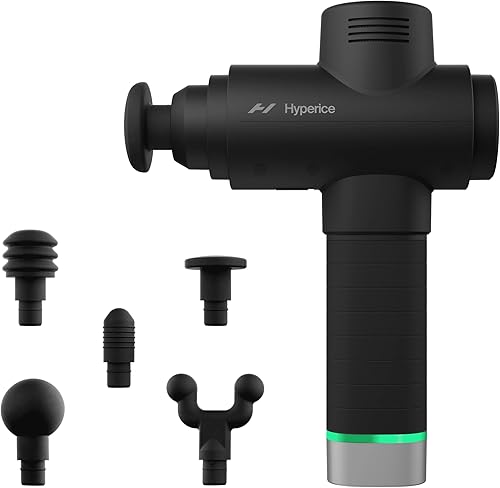
Foam Rolling uses broad, sustained pressure with your body weight for self-myofascial release. Massage Guns deliver rapid, concentrated percussive pulses deep into muscle tissue — reaching up to 60% deeper according to pressure analysis studies.
What the Research Shows
A 2023 systematic review found both tools effective at improving range of motion and reducing soreness. Foam rolling showed a slight edge for broad muscle groups (quads, IT band), while percussion therapy was more effective for localized trigger points and hard-to-reach areas.
Our Recommendation: Use Both
Use the foam roller for pre-workout warmup and full-body maintenance. Reach for the massage gun post-workout to address specific tightness and soreness. Together, they cover all your soft tissue recovery needs.
If You Can Only Buy One
Most people ask this, and the honest answer depends on your budget and what actually bugs you. If money is tight, get the foam roller. Its twenty bucks, it lasts forever, and it covers the big muscle groups fine. The massage gun is the upgrade once you have the cash, mainly because its easier on your hands and faster to use. Rolling out your quads on the floor after leg day is its own little workout, and not everyone wants that.
For runners and anyone with cranky calves or IT bands, I lean foam roller first. For desk workers with knots in the traps and neck the massage gun wins, since you can reach the spot without contorting yourself. Tendon pain or a fresh injury, go easy with either and dont hammer the sore spot, that just makes it worse.
You might also like:
Frequently Asked Questions
Is a massage gun better than foam rolling?
Not necessarily. Massage guns are faster and more intense; foam rolling gives you more control and awareness of your muscles. Most serious athletes use both.
Can a massage gun replace foam rolling?
It can for convenience, but foam rolling builds body awareness and stability. Foam rolling also works the deep fascia in ways massage guns can’t.
Should beginners use foam rolling or massage guns?
Start with foam rolling. It’s safer, cheaper, and teaches you what your muscles need. Add a massage gun once you understand your tight spots.
How do you combine foam rolling and massage guns?
Use foam rolling for longer, slower releases before workouts. Save massage guns for post-workout soreness and acute tension points.