



Best Recovery Tools Under $50: Budget-Friendly Options That Actually Work
Effective recovery doesn’t require expensive equipment. Many affordable tools deliver impressive results, making recovery accessible regardless of budget. This guide highlights the best recovery investments under $50 that provide genuine performance benefits without breaking the bank.
The Value of Budget Recovery Tools
Budget recovery tools prove that price doesn’t determine effectiveness. Many affordable options use the same mechanisms as expensive alternatives. The key is choosing tools that align with sound recovery science rather than falling for marketing hype targeting premium pricing.
Affordable Foam Rollers ($20-40)
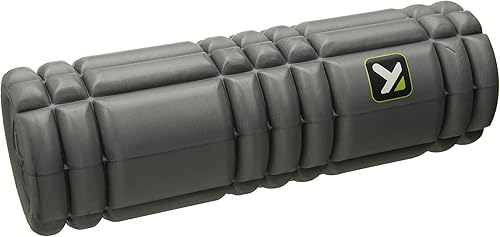
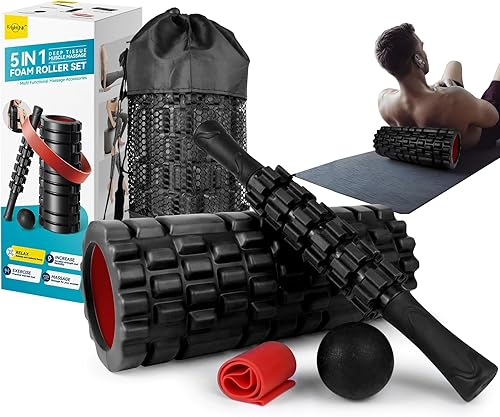
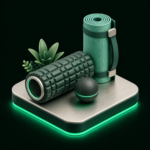
Quality foam rollers deliver exceptional value. For $20-40, you can own a durable, effective tool that improves mobility and reduces tension. Standard rollers work for most people, though higher-density options cost slightly more. Foam rollers represent the single best bang-for-buck recovery investment.
Lacrosse Balls and Massage Balls ($5-15)
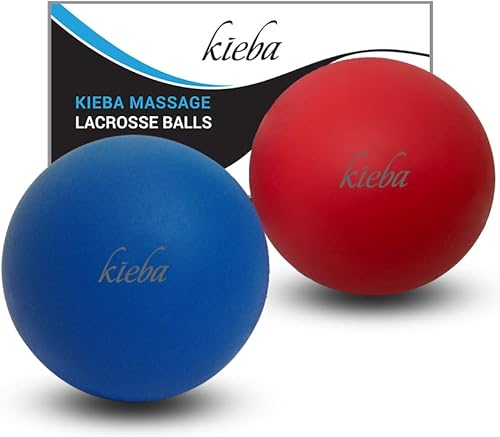
Simple and incredibly effective, massage balls target trigger points and small areas that foam rollers can’t reach. A lacrosse ball costs just $5-8 and provides years of recovery benefits. Place it against a wall or use it in a sock for hands-free targeted massage. Extremely portable and effective.
Resistance Bands ($10-25)
Beyond training, resistance bands improve active recovery. Use them for gentle mobility work, stretching assistance, and activation exercises on recovery days. Affordable band sets include multiple resistances. They’re lightweight, portable, and versatile recovery tools.
Yoga Mats and Stretching Mats ($15-40)
A basic yoga mat enables comfortable floor stretching and mobility work. Quality basic mats cost $15-25. They’re essential for regular stretching routines, which noticeably improve recovery and prevent injury. A mat also encourages consistency by making stretching more comfortable and appealing.
Compression Knee Sleeves ($20-40)
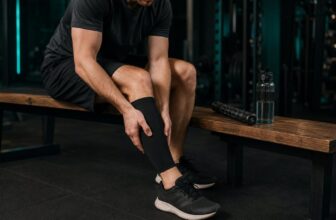
Affordable compression sleeves provide joint support and enhance blood flow. While pricier options exist, $20-40 sleeves from reputable brands deliver solid compression benefits. They’re particularly valuable during recovery from lower body training or knee rehabilitation.
Adjustable Ice Packs ($10-30)
Reusable ice packs cost less than ice baths while providing targeted cold therapy. Flexible ice packs conform to knees, shoulders, and elbows for localized recovery. They’re perfect for managing minor soreness without full-body immersion.
Elevation Pillows and Props ($15-35)
Proper elevation accelerates recovery by reducing fluid accumulation in fatigued limbs. Affordable elevation pillows or simple leg rests ($15-35) provide measurable recovery benefits. Use them during sleep or recovery days for enhanced lymphatic drainage.
Water Bottle and Hydration Tracking ($10-25)
A quality water bottle encourages consistent hydration, one of recovery’s most fundamental elements. Insulated bottles cost $15-30 and help maintain best hydration throughout recovery. Proper hydration is non-negotiable for effective recovery.
Building Your Budget Recovery Toolkit
Start with a foam roller ($25) and lacrosse ball ($5). Add resistance bands ($15) and a yoga mat ($20). These four items total approximately $65 but provide full recovery benefits. Gradually add compression sleeves, ice packs, and other tools as budget allows.
Prioritizing Your Budget Recovery Investments
First priority: foam roller and lacrosse ball (mobility). Second: yoga mat and stretching props (flexibility). Third: compression sleeves and ice packs (inflammation management). Fourth: resistance bands and other tools (active recovery). This progression builds a full recovery foundation within a tight budget.
Conclusion: Quality Recovery on Any Budget
Exceptional recovery tools exist at every price point. You don’t need expensive equipment to recover effectively. A modest investment in proven, budget-friendly tools creates measurable recovery improvements. Start with the basics, use them consistently, and gradually expand your toolkit as your recovery knowledge grows.
Disclosure: Some links in this article are affiliate links. We may earn a commission at no extra cost to you.
You might also like:
- Oura Ring Gen 3 Review: The Wearable That Quantifies Your Recovery
- How to Build Your Recovery Stack from Scratch
- Thorne Creatine Monohydrate Review: NSF-Certified Recovery for Muscles and Mind