Compression Boots vs Compression Sleeves: Which Should You Actually Buy

The Recover StackRecover Stack Editorial Team
Recover Stack Review ProcessResearched from specs and verified owner reviews
October 6, 2026
If you’re trying to recover faster after long runs, leg days, or a beating from a HIIT class, you’ve probably seen two main options pop up. Compression boots and compression sleeves. Both squeeze your legs. Both claim to help with soreness and circulation. But one costs about $1,000 and the other costs about $20, so the real question is which one is actually worth your money.
Here’s the short version. Boots are better if you can afford them and you train hard 4+ days a week. Sleeves are the smarter pick for most people. We’ll break down why below.
Compression Sleeves
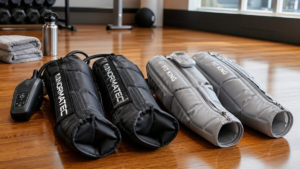
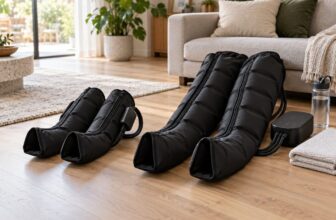
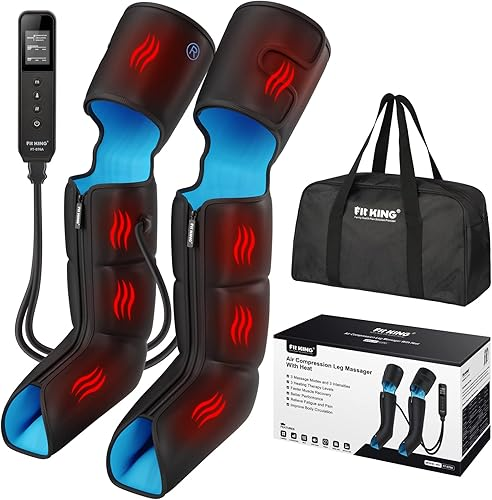
Compression Boots
| Feature | Compression Boots | Compression Sleeves |
|---|---|---|
| Price | $300 to $1,200 | $15 to $40 |
| How They Work | Active pneumatic squeezing in sequenced zones | Static graduated pressure from snug fabric |
| Recovery Speed | Faster, deeper relief in 20 to 30 min | Slower, works over hours of wear |
| Portability | Bulky, needs power and inflation unit | Roll them up, throw them in a bag |
| Daily Wear | Sit and recover sessions only | Wear during workouts, work, or sleep |
| Battery / Power | Requires charging or wall plug | None needed |
| Best For | Heavy training, post-race, big leg days | Daily soreness, light to moderate training, long days on your feet |
Compression Boots, Pros & Cons
What We Liked
- The sequenced inflation pattern feels like a real massage, not just a tight wrap
- 20 minutes in the boots can leave you noticeably less sore the next morning
- Multiple pressure settings let you dial in the intensity
- Newer models like Therabody RecoveryAir Pro are cordless and battery-powered
Worth Knowing
- The price is steep. Even the cheapest options start around $300
- You have to actually sit still for the session, which gets old fast
- They take up serious closet space
- The motor noise can be loud enough to bother a partner or roommate
Compression Sleeves, Pros & Cons
What We Liked
- You can wear them under work pants or running shorts and forget they’re there
- Help with calf cramping during long runs or flights
- Cost roughly 1/30th of decent boots
- Easy to pack, wash, and replace if they wear out
Worth Knowing
- The pressure is static, you don’t get that pumping feeling boots provide
- If you size wrong, they either pinch behind the knee or slide down
- Lower quality sleeves lose their snap after 30 to 50 wears
So Which One Should You Actually Buy?
Honestly, for 90% of people reading this, sleeves are the smarter buy. The price gap is just too big to ignore, and the benefits are real enough that you don’t need to drop a grand to feel them. POWERLIX makes a solid budget option if you want a starting point.
That said, if you train at a serious level, race endurance events, or simply have the budget and you’ll use them consistently, pneumatic boots do deliver something sleeves can’t match. The active squeezing feels distinctly different and the recovery boost is more noticeable after high-volume training blocks.
Want more recovery options to mix and match? Check out our best recovery tools for runners guide, or browse all Compression products on the site.
bottom line
Sleeves win for most readers because the math is just too lopsided. You can buy 30 pairs of sleeves for the price of one set of boots, wear them daily, and get real circulation benefits. Boots are an upgrade pick for serious athletes who already own the basics and want the next step up in active recovery, not a starting point.
As an Amazon Associate, we earn from qualifying purchases.
You might also like:
- Incrediwear Knee Sleeve Review: Semiconductor Tech That Actually Reduces Swelling
- Best Recovery Tools for Cyclists in 2026: 5 Picks That Actually Help
- POWERLIX Knee Compression Sleeve Review: Affordable Recovery Support That Actually Works
Browse all Compression Therapy >