How to Choose Compression Boots (2026 Buyer’s Guide)

Compression boots have gotten cheaper, smaller, and a lot smarter in the past two years. The catch is that most of the marketing copy on Amazon reads the same and the spec sheets dont always tell you what actually matters. So before you drop $400-$1500 on a pair, here’s what to actually look for, in plain language, based on the recovery posts we’ve put together on the site.
First, Why Compression Boots At All
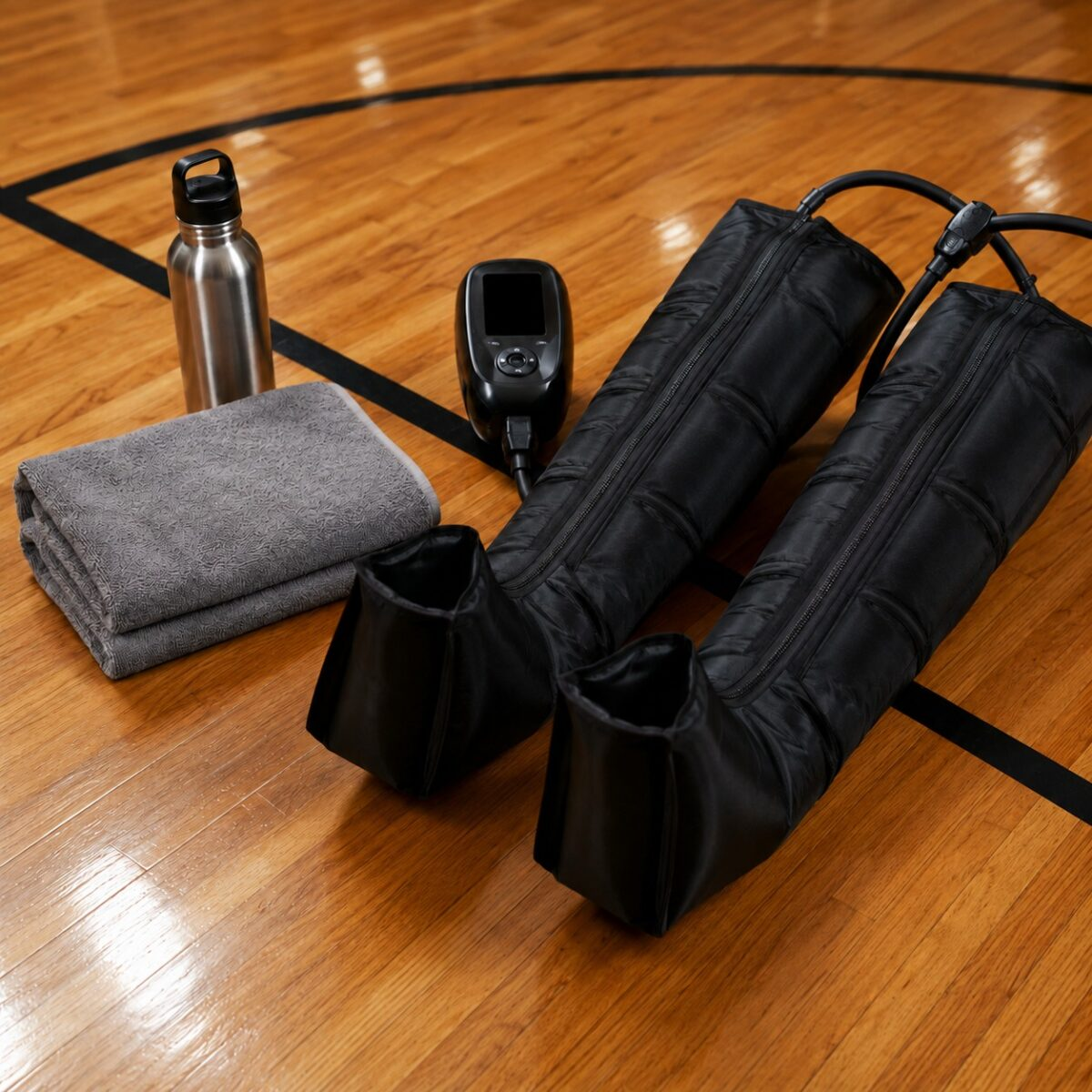
Pneumatic compression boots use air chambers that inflate in a wave pattern, usually starting at your feet and pushing up to your hips. The point is to move blood and lymph fluid out of tired legs faster than your body would on its own. Most people use them after long runs, leg day, or sitting too long on a plane. They’re not a magic fix for soreness but they do shave hours off how long you feel beat up, and they feel really good.
If you’re still on the fence between boots and a simpler tool, we broke it down in Compression Boots vs Compression Sleeves: Which Should You Actually Buy. Sleeves are way cheaper but they don’t do the same active milking motion.
The Specs That Actually Matter
Number of Chambers (4 vs 6 vs 8)
Chambers are the separate air bladders that inflate in sequence. More chambers = a smoother wave, more like a manual massage. Four-chamber boots are the budget end, six is the sweet spot for most people, and eight chambers is what you’ll find on the premium Normatec and Therabody units.
Honestly, the jump from 4 to 6 is more noticeable than 6 to 8. If your budget caps you at a 4-chamber boot, you’ll still get the recovery benefit. You just lose some of the wave smoothness.
Peak Pressure (mmHg)
Pressure is measured in mmHg (millimeters of mercury), same as a blood pressure cuff. Most decent boots top out somewhere between 200-300 mmHg. Higher isnt automatically better. For recovery work you want around 80-120 mmHg, and you only need the high range if you specifically want a deep tissue feel.
Watch for boots that brag about 350+ mmHg, that pressure is intense and a lot of people find it uncomfortable. The Normatec lineup tops at 110 mmHg by design because their research suggested that’s where the recovery benefit plateaus.
Pressure Levels (How Many Steps You Can Choose)
This one matters more than people think. Cheap boots have 3-4 pressure levels, premium ones have 10-20. If you’re someone who wants to crank it up after a hard race but dial it down on rest days, having more steps helps. Also handy if you’re sharing the boots with someone who’s more pressure sensitive.
Session Programs and Timer
Most boots default to 15, 30, or 60 minute sessions. Some let you customize the cycle pattern (sequential vs pulsing vs holding). For everyday recovery the standard 20-30 minute sequential cycle is plenty. If you’re treating something specific like venous insufficiency or post-surgery swelling, the cycle pattern matters more and you might want medical-style boots.
Fit, This Is Where People Go Wrong
Compression boots come in different lengths (knee-high vs hip-high) and different widths. Hip-high is what you want if you do a lot of squats, deadlifts, or cycling. Knee-high is fine for runners and walkers. If you have larger calves or thighs, check the size chart before you order, the Therabody RecoveryAir JetBoots run a little tight in the calf compared to Normatec.
A quick fitness pro tip: if the boot is too tight at the top, the wave compression cant push fluid past that point and youre basically wasting the session. If you’re between sizes, go up.
Portable vs Plug-In
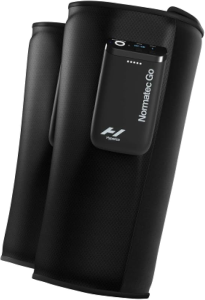
Older systems plug into a wall unit with hoses connecting to the boots. Newer Normatec Go and Therabody JetBoots are fully cordless, with batteries built into the boot itself. The cordless ones are way more convenient (you can walk around, watch TV, whatever), but they’re typically pricier and the battery adds weight.
If you only ever use them at home on the couch, the plug-in models are fine and you’ll save $200-$400. If you travel for work or want to use them at the gym between sets, cordless is worth the upgrade.
Brand Trade-Offs at a Glance
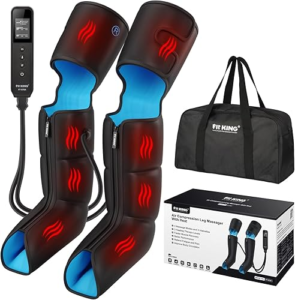
The three main names are Normatec (Hyperice), Therabody, and FIT KING. Normatec is the standard most physical therapists know. Therabody is newer but caught up fast with the JetBoots line. FIT KING is the budget play, way cheaper but with less app polish and shorter warranty.
We did a full breakdown in Compression Boots Guide: Normatec vs Hyperice vs Therabody if you want to see how the three flagship lines stack up. There’s also a head-to-head between the Normatec 3 vs FIT KING if you’re trying to decide whether the premium price tag is worth it.
App Connectivity, Skip or Care
Therabody and Normatec both have apps that let you save custom programs, track sessions, sometimes guide breathing or stretching alongside. The apps are nice-to-have, not need-to-have. If you mostly want to flop on the couch and run a default cycle, the buttons on the boot itself work fine.
Where the app actually helps: if multiple people in the house use the same pair, the app remembers your preferred settings. Also handy for guided cool-downs after specific workouts.
Warranty and Customer Service
This gets ignored until something breaks. Normatec offers 2 years on the controller, Therabody offers 1 year, FIT KING gives you 1 year but Amazon-only support. The hoses and Velcro straps are the most common failure points, so check whether replacement parts are available separately. A boot is basically e-waste if the hose breaks and you cant get a new one.
A Quick Budget Reality Check
Around $200-400 gets you a solid FIT KING or basic 4-chamber setup. $500-900 is the sweet spot for Normatec 3 or Therabody JetBoots Prime. $1100-1500 is Normatec Elite or Pro territory with the full feature set. If recovery is core to your training (you race regularly, you’re an athlete, you have a real reason to dial in the routine), the premium tier earns its keep. If you just want to feel less sore on Mondays, the mid range or even budget options will get you most of the benefit.
Where To Go Next
If you’ve narrowed down what features you want, check out our Best Compression Boots for Home Recovery in 2026 roundup, we compared five different pairs and ranked them by use case. Or if you’ve already decided on a specific Normatec model, the Normatec Premier review covers the latest flagship in detail.
One last thing, if youre new to compression therapy entirely, start with 20 minute sessions at medium pressure for the first week. Your legs need to get used to the feeling, and going too hard too fast can actually make you feel weirdly bruised the next day. Build up from there.
As an Amazon Associate, we earn from qualifying purchases.You might also like:
- Best Compression Boots for Home Recovery in 2026: 5 Picks Compared
- Best Recovery Tools for Knee Pain in 2026
- Compression Boots vs Compression Sleeves: Which Should You Actually Buy
Browse all Compression Therapy >
Gear Worth Considering
Three boots that line up with the tiers in this guide: two well reviewed budget systems and the Normatec 3 at the top end.
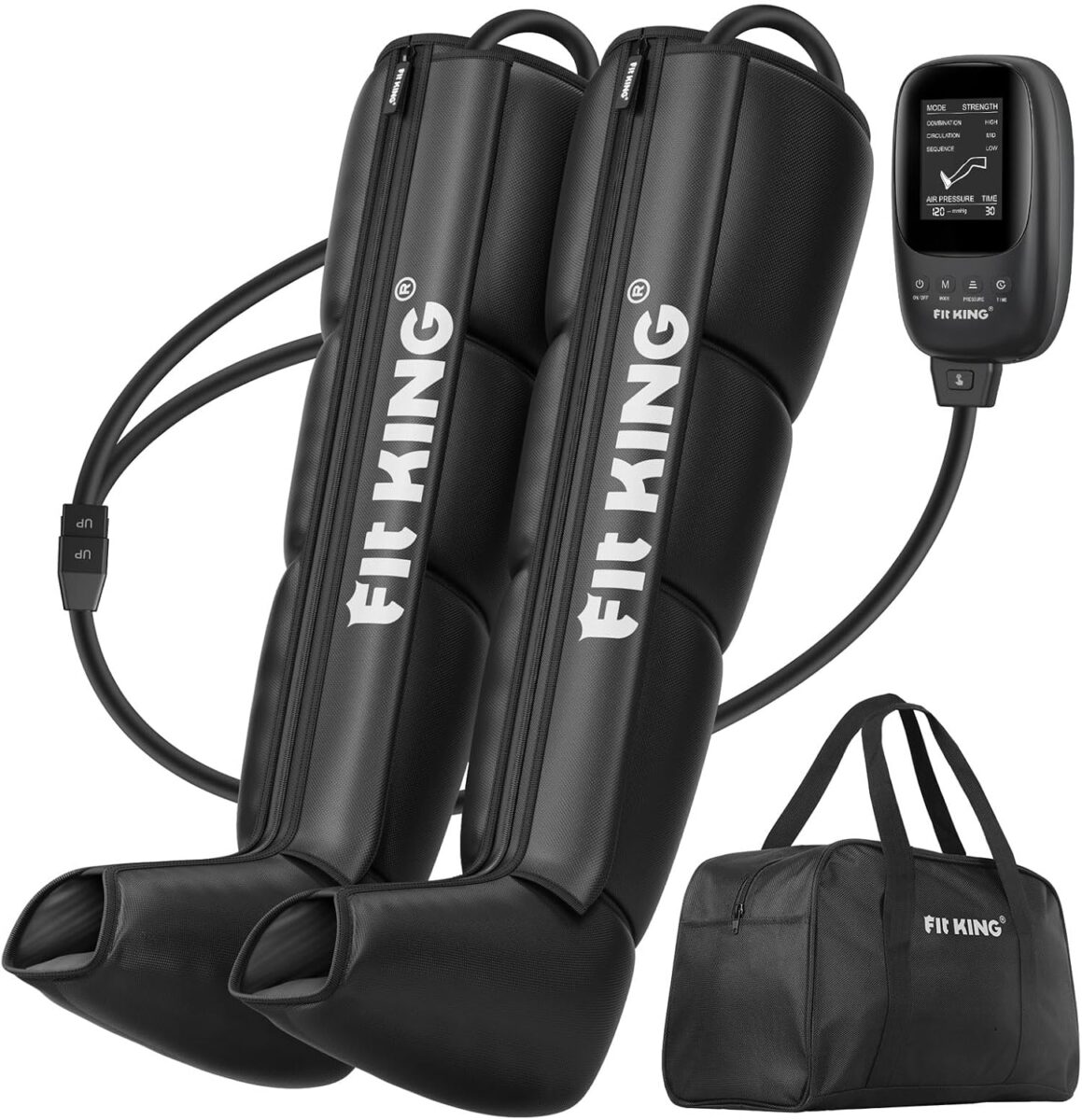
$265.98 on Amazon at time of writing · 4.5 stars from about 1,000 ratings
Check Price on Amazon
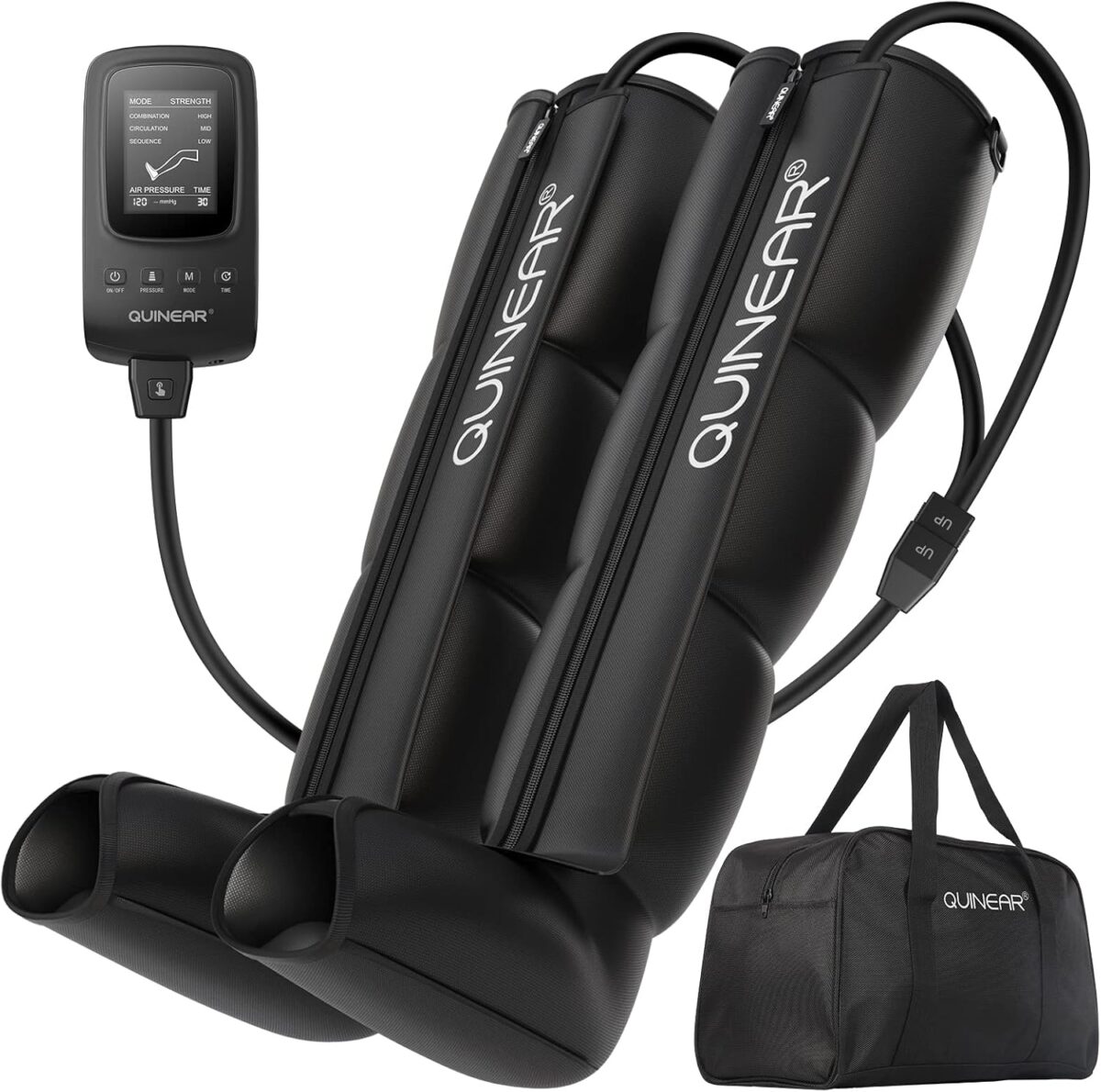
$265.96 on Amazon at time of writing · 4.5 stars from about 1,840 ratings
Check Price on Amazon
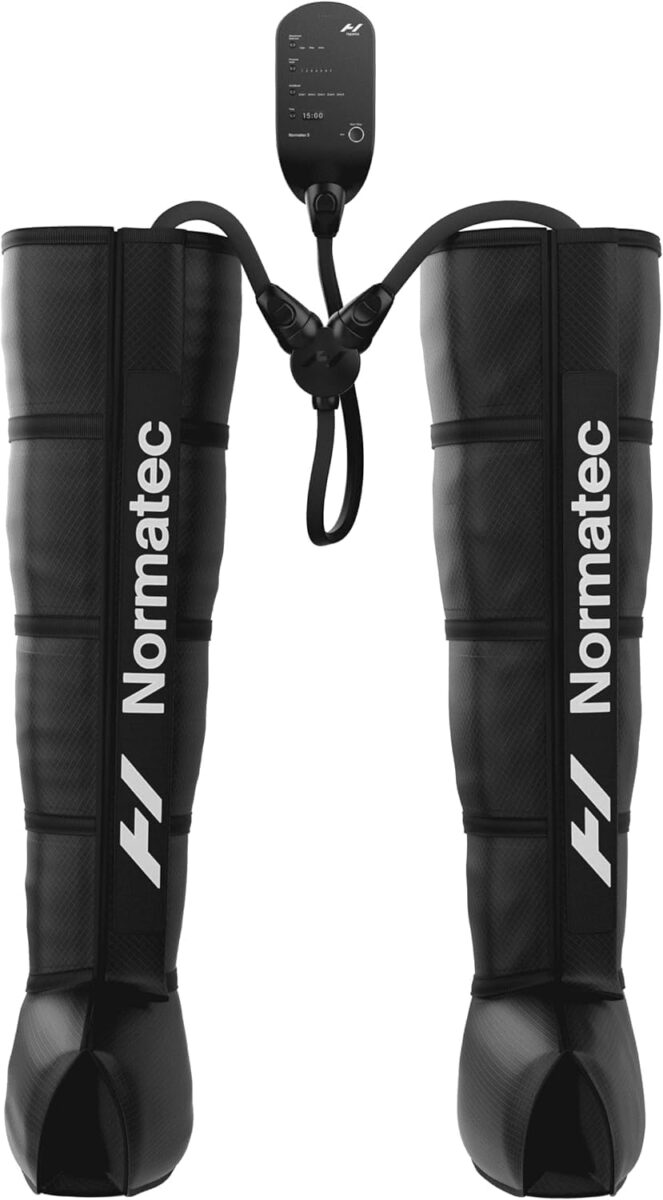
$719.00 on Amazon at time of writing · 4.5 stars from about 600 ratings
Check Price on Amazon