



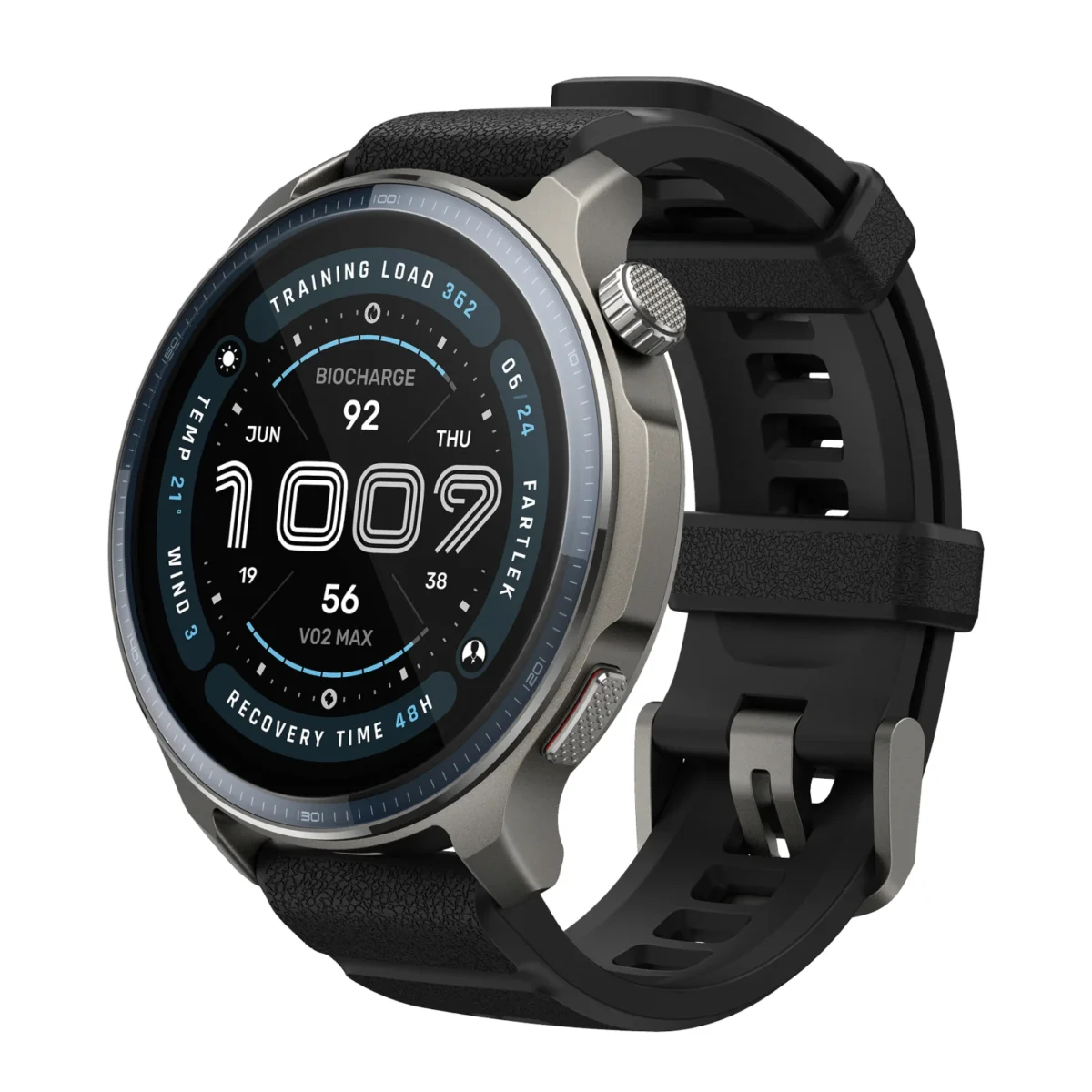
Amazfit Balance 2 Review: A Recovery-Focused Smartwatch That Tracks What Matters

Key Features
Readiness Score
Combines HRV, sleep quality, and resting heart rate into a daily recovery score. Tells you whether to push hard or take it easy.
Advanced Body Composition
BioCharge sensors measure body composition including muscle mass and body fat percentage right from your wrist.
Sleep Stage Tracking
Tracks light, deep, and REM sleep with breathing quality analysis. Morning reports are detailed without being overwhelming.
12-Day Battery Life
Lasts nearly two weeks on a single charge with all health tracking enabled. Magnetic charger tops it up in about 2 hours.
Our Experience
The Balance 2 goes after a specific crowd: people who care more about recovery data than step counts. The readiness score is the headline feature, and after two weeks it became part of my morning routine — check the score, adjust the workout plan accordingly.
HRV tracking is continuous and the app breaks it down by time periods. I could see my HRV dip after a rough night’s sleep and recover after a rest day. That kind of pattern recognition is what makes a recovery watch useful versus just another step counter.
The body composition sensor is interesting but takes it with a grain of salt. It gave me roughly the same body fat percentage as my bathroom scale, which uses similar bioimpedance tech. Useful for tracking trends over weeks, not for pinpoint accuracy on any single day.
Battery life is the real winner here. Twelve days meant I charged it on Sundays and forgot about it. No nightly charging ritual, no missing sleep data because the watch died at 2 AM.
Fair warning: the Zepp app has a learning curve. It’s packed with data screens and it took a few days to figure out where everything lives. Once you know your way around, it’s solid. But it’s not as polished as Apple Health or Garmin Connect.
Pros & Cons
What We Liked
- Readiness score helps adjust training intensity daily
- 12-day battery means you never miss sleep tracking data
- HRV tracking is continuous, not just spot-checks
- $250 undercuts Garmin and Apple for similar recovery features
Worth Knowing
- Zepp app has a steeper learning curve than competitors
- Body composition readings should be used for trends, not absolutes
- Notification handling isn’t as smooth as Apple Watch or Pixel Watch
Final Verdict
The Amazfit Balance 2 nails the recovery-tracking basics — readiness, HRV, sleep staging — and does it for $250 with a battery that lasts nearly two weeks. If you’re choosing between this and spending $400+ on a Garmin for the same recovery metrics, the Balance 2 makes a strong case. The app needs polish, but the hardware and sensors deliver.
Check Price at AmazfitYou might also like:
- Physix Gear Compression Socks Review: 20-30 mmHg Support That Actually Lasts
- Hyperice Normatec Go Review: Portable Compression Recovery for Your Calves
- Tommie Copper Arm Compression Sleeve Review: Copper-Infused Recovery for Sore Arms
Browse all Compression Therapy →