How to Choose a Red Light Therapy Device (2026 Buyer’s Guide)

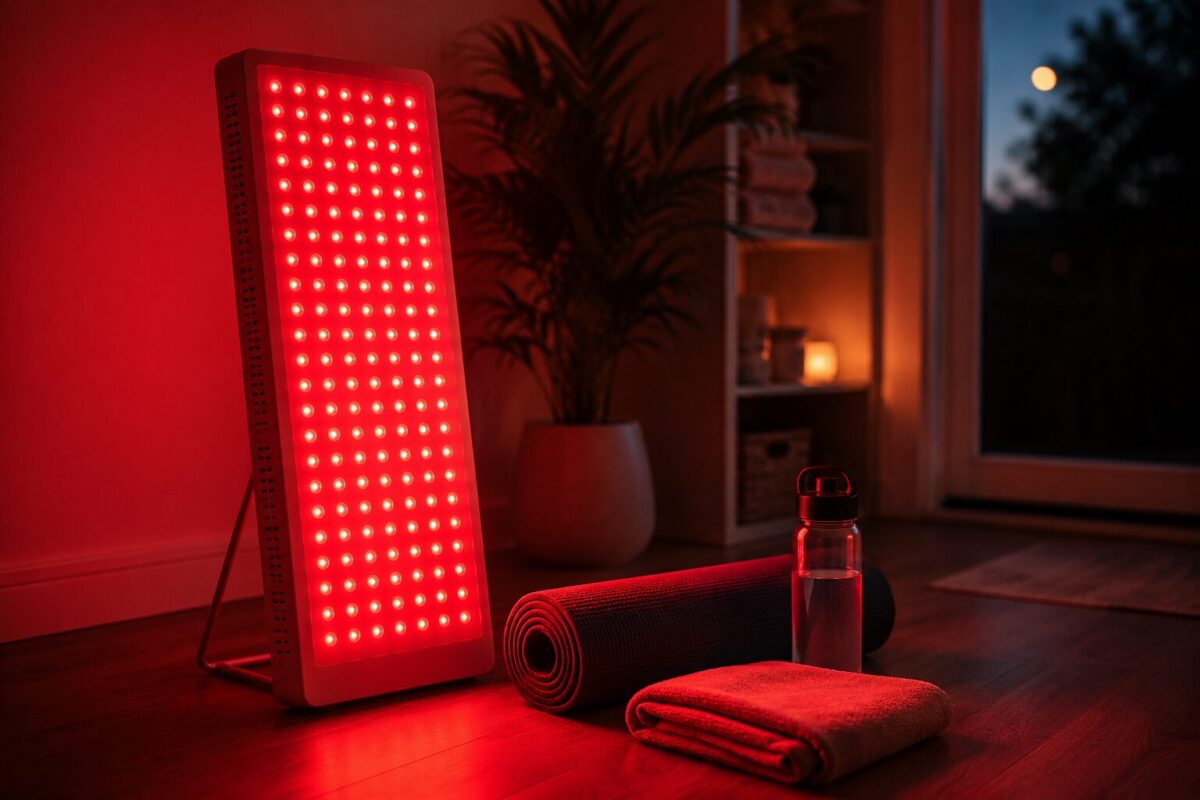
Red light therapy went from fringe biohacker gear to something you can grab on Amazon for under a hundred bucks, which is great until you realize half the listings quote numbers that dont mean anything. Two panels can look identical on paper and perform nothing alike. So learning how to choose a red light therapy device is mostly about knowing which specs are real and which are marketing.
Here’s what actually moves the needle, and what to quietly ignore.
How to choose a red light therapy device: the short version
If you remember four things: get both red and near-infrared wavelengths, judge power by irradiance at a real distance, match the size to what you’re treating, and only trust brands that publish third-party numbers. Everything below is just the detail behind those four.
Wavelength comes first
This is the one spec you cant fake around. Red light near 660nm works on the skin and surface tissue. Near-infrared around 850nm goes deeper, into muscle and joints, and you cant even see it. For recovery you want a device that does both, since sore quads and stiff shoulders are a deeper-tissue problem than what 660nm alone reaches.
Some panels split the difference with a few extra wavelengths like 630 or 810nm. Nice to have, not essential. A clean dual output of 660 and 850 covers the vast majority of what people buy these devices for. We got into the science side of it in red light therapy vs infrared sauna if you want the deeper comparison.
Power is where the marketing gets slippery
Irradiance, measured in milliwatts per square centimeter, is how much light energy actually lands on you. More of it means shorter sessions. Here’s the catch: a lot of brands quote irradiance measured right against the LEDs, at zero inches, where the number looks huge and means nothing because nobody presses their body flat against the panel.
What you want is the irradiance at 6 inches, which is a realistic treatment distance. A solid panel lands somewhere around 100 mW/cm² there, enough to treat an area in 10 to 15 minutes. If a listing only brags about a giant number with no distance attached, treat that as a red flag and move on. The Hooga ULTRA360 is a good example of a panel that publishes honest measured output.
Panel or targeted device
Big full-body panels cover your back, legs, whole muscle groups at once, and theyre what you want if recovery is the main goal. They take up space and cost more, but nothing beats them for treating large areas fast. The premium end here, like the Joovv Solo 3.0, gets expensive quick.
Handhelds and wraps are the other route. Cheaper, portable, and fine if you only ever hit one cranky knee or elbow. Just know their coverage is small, so treating your whole back with a handheld turns into a slow, patchy chore. Buy the form factor that matches the body part you actually care about.
The specs nobody puts on the box
A few things separate a good panel from a flashy one. Low EMF output matters if you sit close for long sessions. Flicker is another one, cheaper drivers can pulse in a way thats hard on the eyes over time, and the good brands run flicker-free. Third-party irradiance testing is the big tell: if a company pays an outside lab to verify its numbers and publishes them, that’s a brand with nothing to hide. And be careful with FDA language. Plenty of devices are “FDA cleared” for general wellness, which is not the same as being proven to do everything the ad copy implies.
Who should hold off
Red light is low risk for most people, but its not for everyone. If you take medication that makes you photosensitive, have a history of skin cancer, or youre pregnant, run it by your doctor before starting. Protect your eyes too, the light is bright and near-infrared is invisible, so use the goggles that come with the panel or keep your eyes shut and turned away. Beyond that, dont expect overnight miracles. It’s a slow, consistent thing, a few sessions a week over weeks, not a one-time fix.
Once you know your wavelengths and youve got a real irradiance number to compare, the shortlist gets short fast. We compared a range of them and pulled the standouts into best red light therapy devices for recovery, and if budget is the deciding factor, our best red light devices under $200 roundup covers the panels that punch above their price.
Frequently Asked Questions
What wavelength is best for red light therapy?
How much power do I actually need?
Are cheap red light panels worth it?
Is red light therapy safe for your eyes?
You might also like:
Gear Worth Considering
If you want a starting point, these three panels publish their wavelengths and output and have solid rating histories on Amazon.
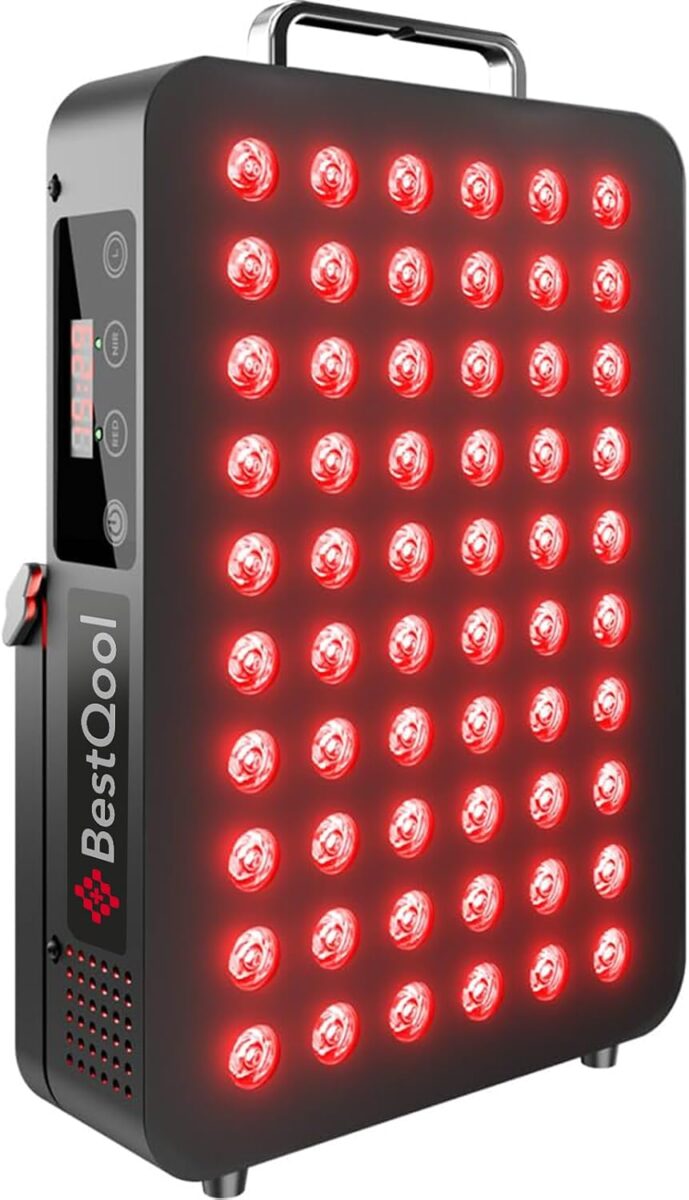
$152.60 on Amazon at time of writing · 4.6 stars from about 1,850 ratings
Check Price on Amazon
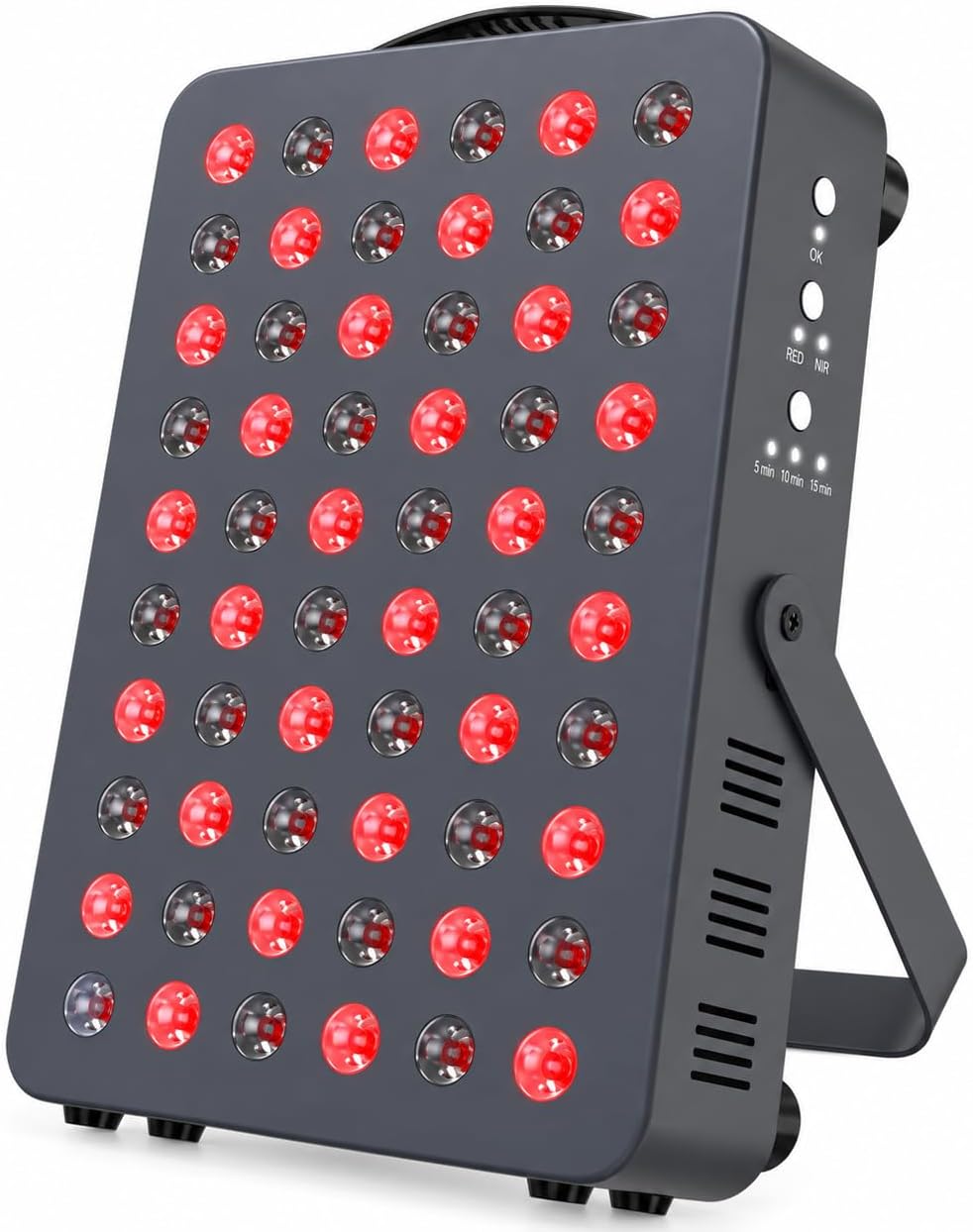
$199.00 on Amazon at time of writing · 4.6 stars from about 1,375 ratings
Check Price on Amazon
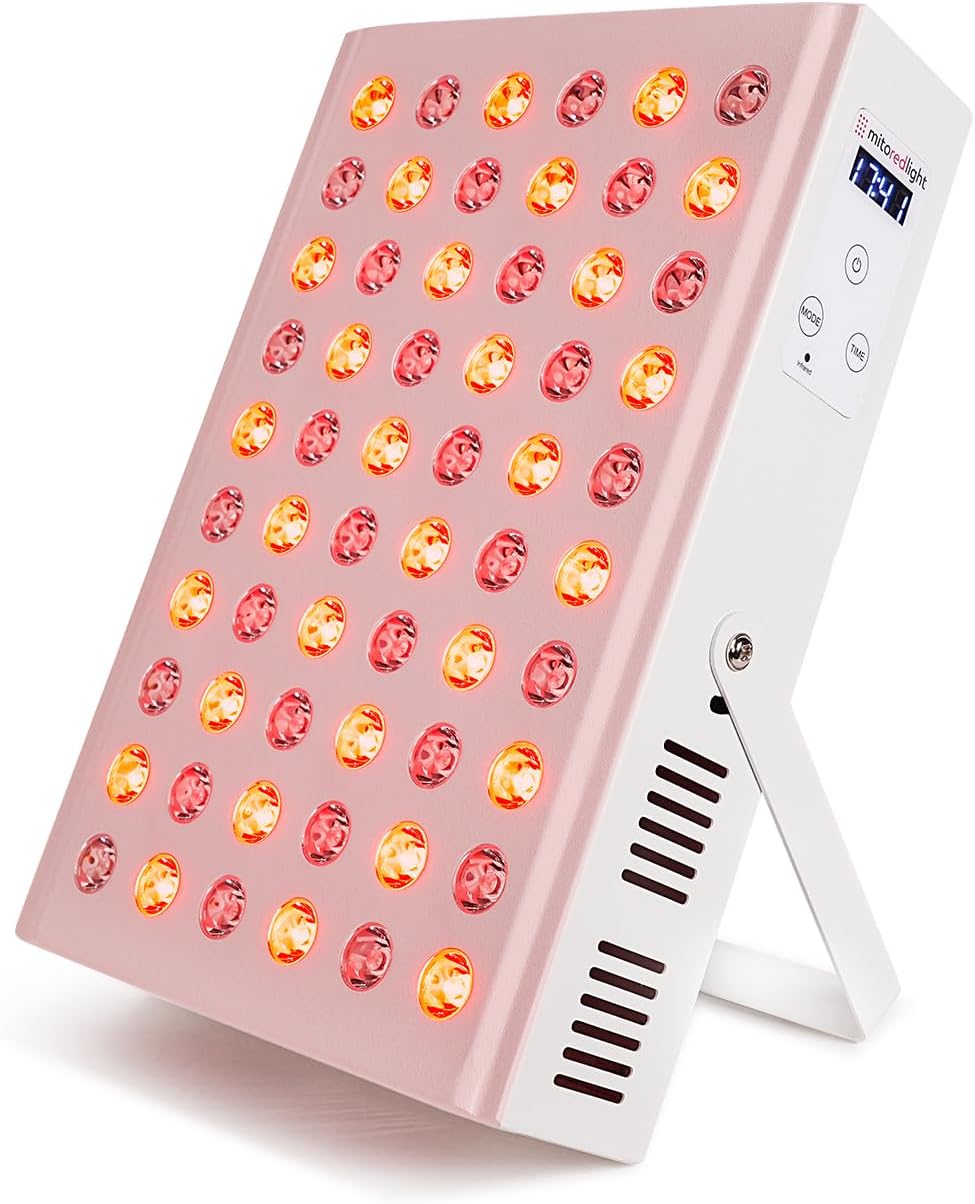
$211.65 on Amazon at time of writing · 4.5 stars from about 170 ratings
Check Price on Amazon
As an Amazon Associate, we earn from qualifying purchases.