
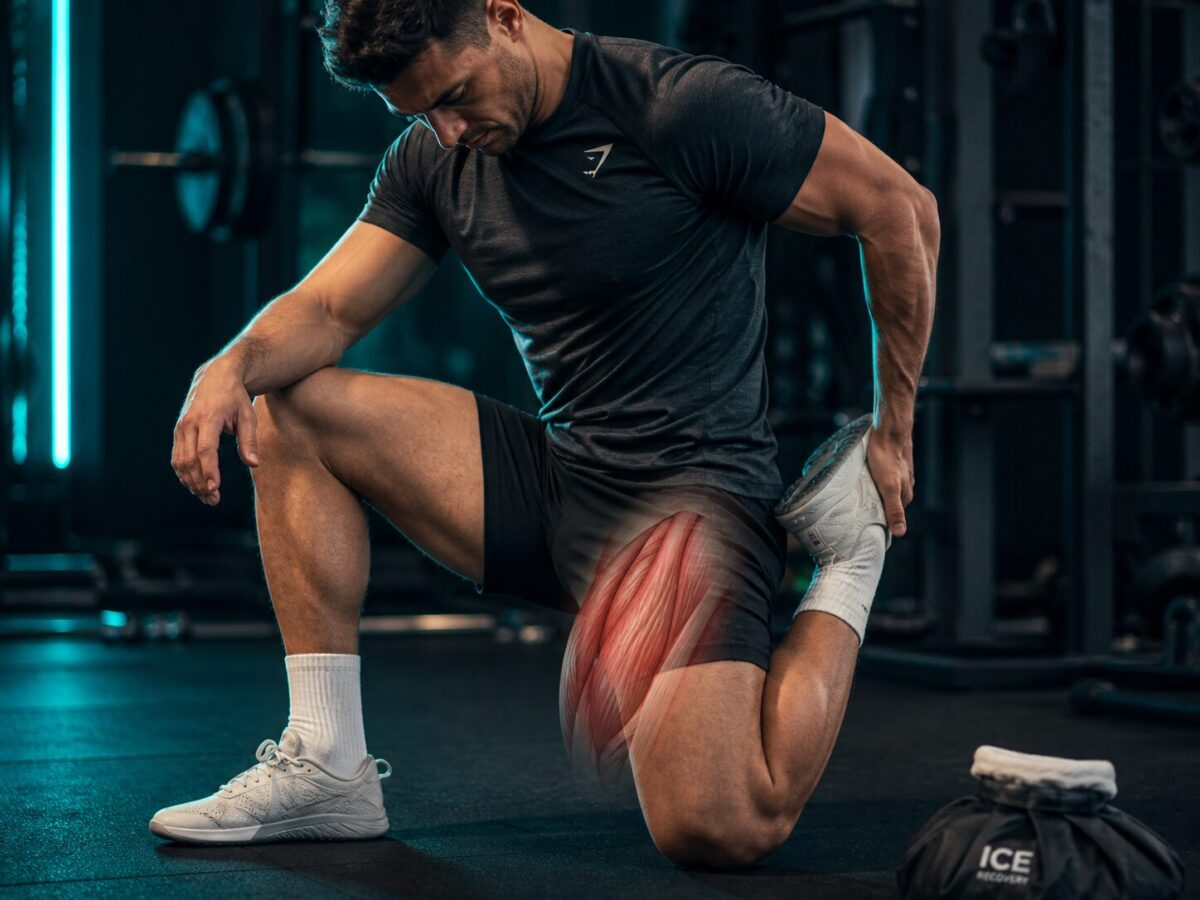
Two days after a hard leg workout, you stand up off the couch and feel like you’ve been hit by a truck. That’s DOMS. Delayed Onset Muscle Soreness. Most people have heard of it. Almost nobody actually understands what’s happening inside the muscle, or what to do about it.
What DOMS actually is
When you put muscle through unfamiliar or eccentric contraction (think the lowering phase of a squat or the downhill of a run), you create microscopic tears in the muscle fibers. The body responds with an inflammatory cascade. White blood cells move in. Fluid accumulates. Nerve endings get more sensitive. The result: pain that peaks 24 to 72 hours after the workout, then fades.
It is not lactic acid (that myth refuses to die, but lactic acid clears within an hour of exercise). It is not muscle damage in a “bad” sense, the kind that signals injury. It’s normal repair signaling.
Why some workouts cause it and others don’t
The two biggest predictors are eccentric load (slow lowering) and unfamiliarity. A workout you’ve done a hundred times produces less DOMS than the same workout done after three weeks off. Adding 5 percent more weight produces less DOMS than adding 30 percent. The body adapts to specific patterns surprisingly fast.
Beginners get hit hardest because everything is unfamiliar. Once you’ve trained for 6 months, DOMS becomes the exception, not the norm.
What actually helps
Backed by good evidence
- Active recovery. Light walking, cycling, or swimming on the day after speeds blood flow and reduces soreness duration by 20 to 30 percent in controlled studies.
- Sleep. 7 to 9 hours. The biggest single recovery lever. Growth hormone secretion peaks in deep sleep, which is when most repair happens.
- Adequate protein. About 0.7 to 1.0 grams per pound of bodyweight per day, spread across meals.
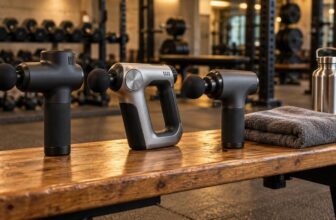
- Massage and foam rolling. Both reduce perceived soreness by about 30 percent at 24 hours, supported by multiple meta-analyses.
Limited evidence, may help
- Cold water immersion. Reduces perceived soreness short-term, but may also blunt long-term muscle adaptation. Use selectively, not after every workout.
- Tart cherry juice. Some studies show modest reductions in soreness markers. Effect is small.
- Compression garments. Probably help slightly with recovery between sessions, modest effect.
Doesn’t really help
- Painkillers like ibuprofen. They reduce pain perception but interfere with the actual repair signaling.
- Static stretching during DOMS. Doesn’t speed recovery, can prolong soreness if aggressive.
- “Detox” supplements, electrolyte drinks beyond basic hydration, most recovery teas.
What to actually do when you’re sore
Walk. Drink water. Eat a real meal with protein. Sleep. Maybe foam roll for a few minutes if it feels good. Skip the heroics.
If you train through the soreness, train light. Don’t try to PR your squat the day after a leg-day disaster, your nervous system isn’t ready and your form will suffer.
When DOMS isn’t DOMS
If pain is sharp, located in a joint or tendon, only on one side, or doesn’t fade by day 4, that’s not normal soreness. That’s an injury signal. See a physio or doctor before you train again.
You might also like:
Disclosure: Some links in this article are affiliate links. We may earn a commission at no extra cost to you.
Gear Worth Considering
Tools that can make sore days more comfortable, even if nothing makes DOMS disappear overnight.
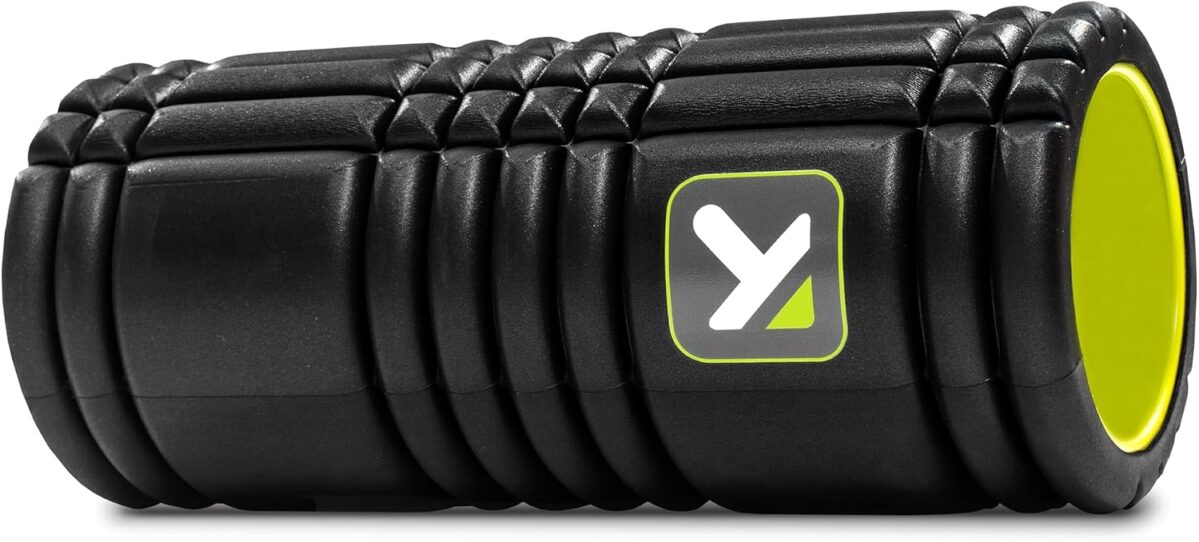
$24.97 on Amazon at time of writing · 4.7 stars from 23,000+ ratings
Check Price on Amazon
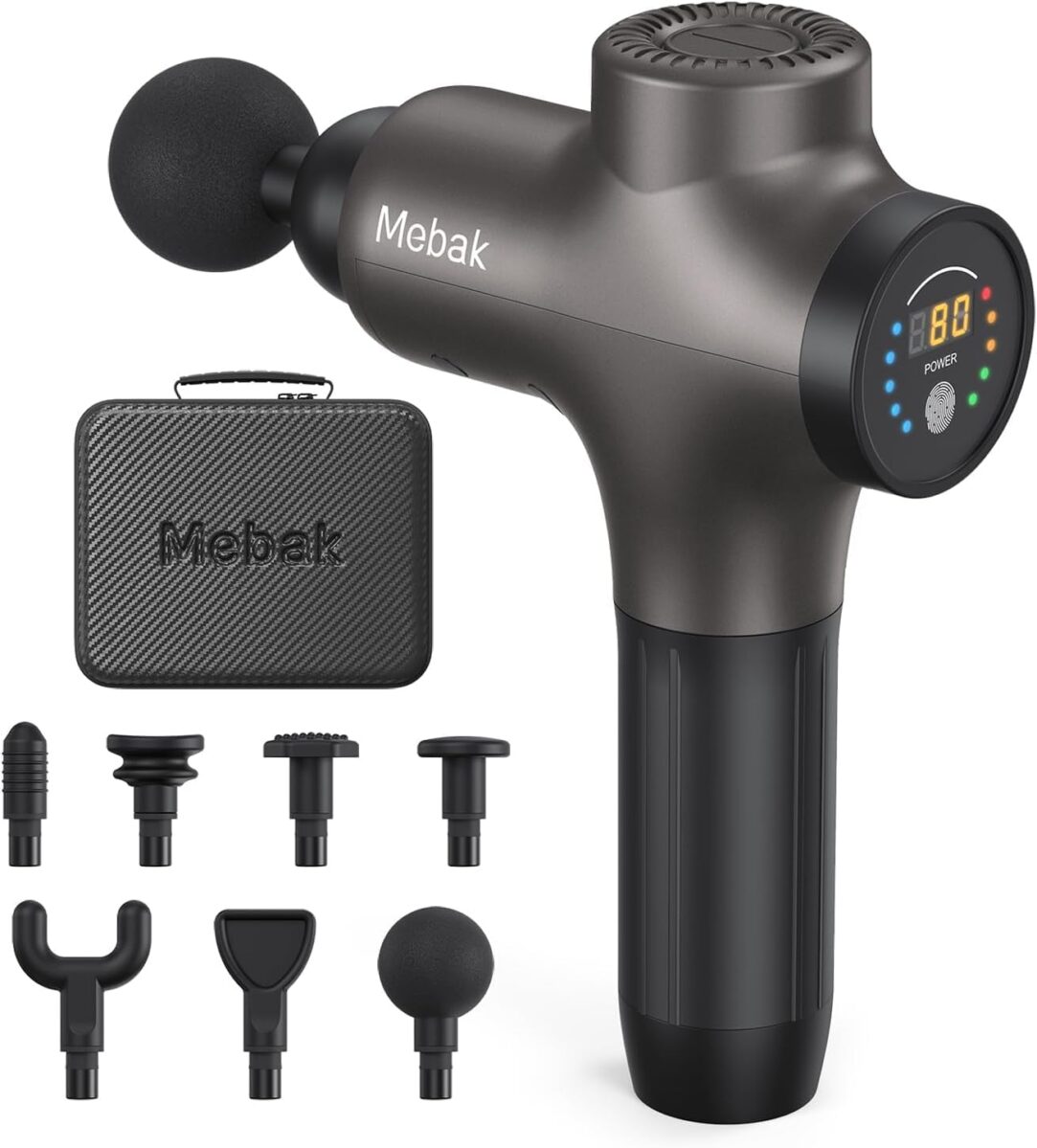
$80.74 on Amazon at time of writing · 4.7 stars from 19,000+ ratings
Check Price on Amazon
As an Amazon Associate, we earn from qualifying purchases.