
Walk into any recovery subreddit and you’ll see the same pattern. Beginner spends $400 on a Theragun, $300 on a foam roller setup, $1,200 on a cold plunge, then quits in three weeks because they didn’t actually know what they were trying to fix. Recovery gear is some of the easiest stuff to overspend on, especially when you don’t have a clear sense of what hurts and why.
This guide is the version I wish someone had handed me when I started. No fluff, no “essential 12-tool starter pack.” Just what to actually buy first, what to wait on, and how to know what your body needs.
Step 1: Figure out what you’re recovering from
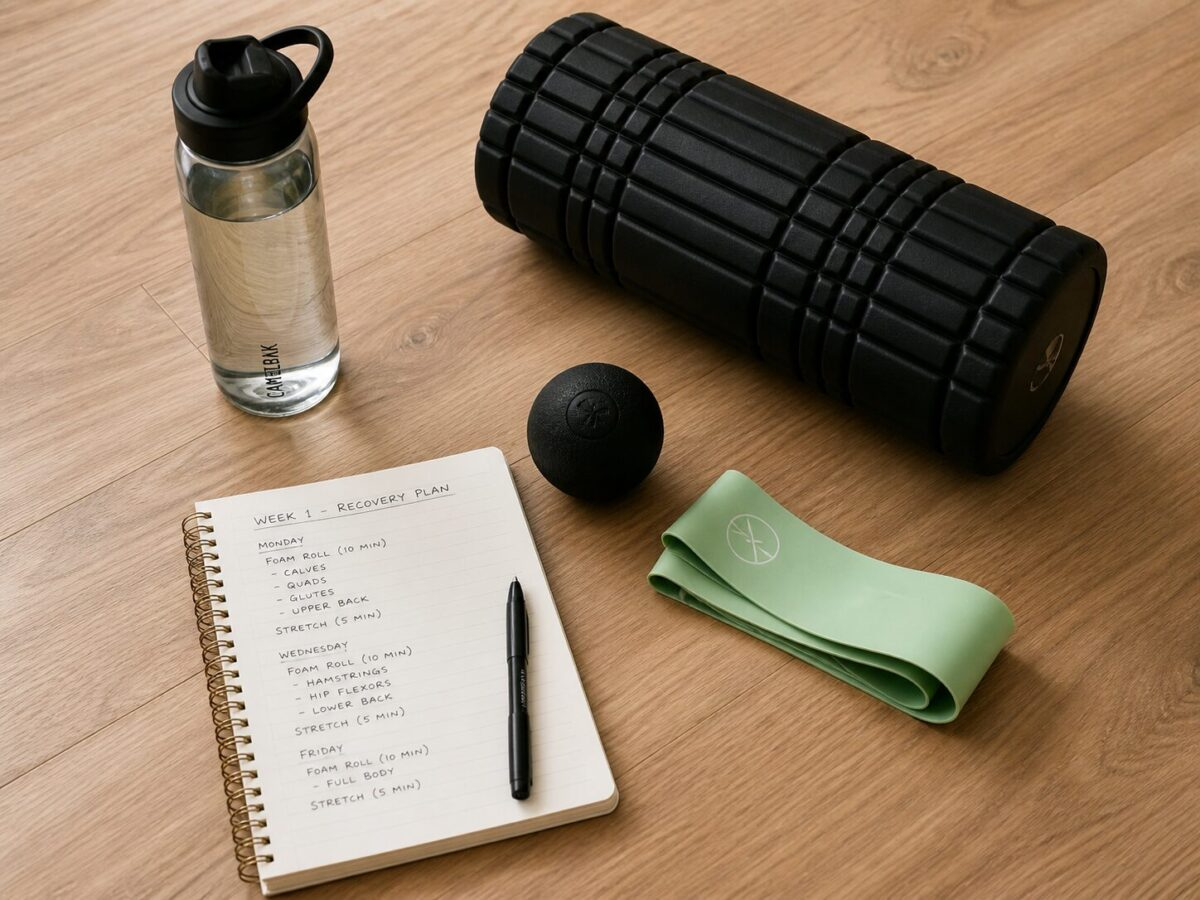
Before any gear, do this. For one week, jot down what hurts after workouts and how long it lasts. Three categories matter:
- Soreness, dull achy feeling 24 to 72 hours after lifting or running. Usually DOMS, totally normal, recovery gear can help here.
- Tightness, restricted range of motion, knots in muscles, “I can’t reach my toes” stuff. Mobility tools help.
- Pain, sharp, joint-located, or persistent. This isn’t a recovery-tool problem. See a physio.
If you cant tell the difference between soreness and pain, ask a professional. Don’t try to massage-gun your way out of an actual injury. Thats how people make things worse.
Step 2: The cheap stuff that actually works
Here’s what’s worth getting first, in this order:
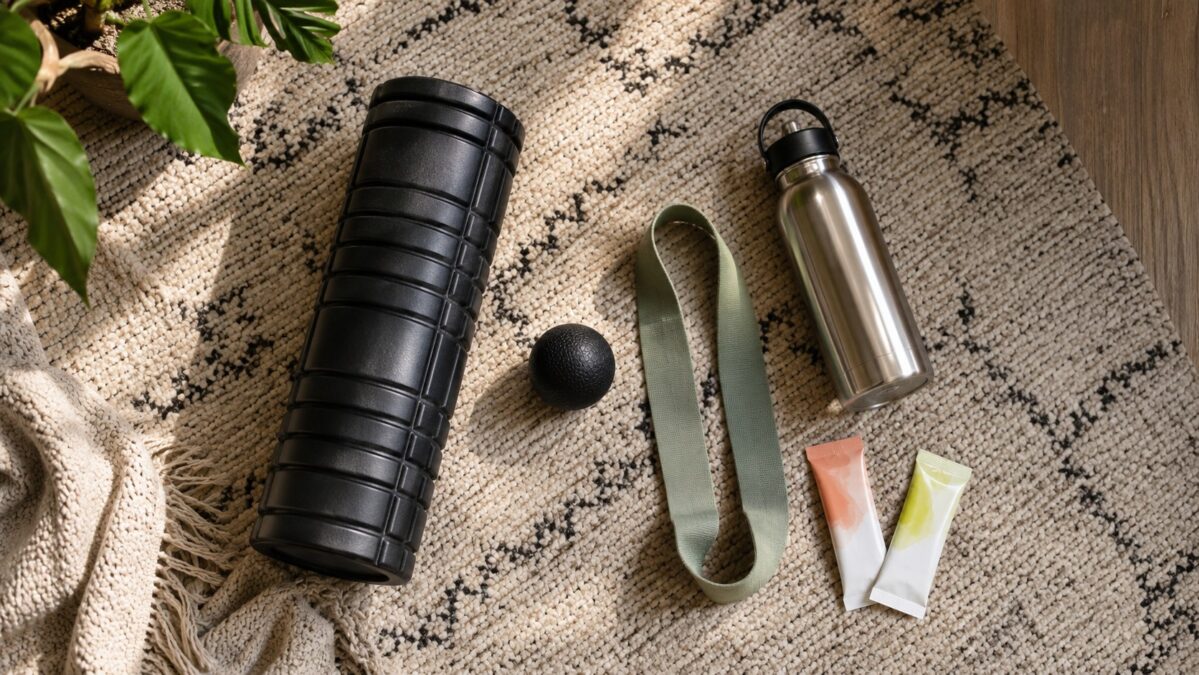
Foam roller ($25 to $40)
Get a TriggerPoint Grid or a basic high-density foam roller. Skip the vibrating ones for now, they’re not better than a regular roller for a beginner. 10 minutes of rolling after workouts beats 80 percent of fancier tools combined.
Lacrosse ball or massage ball ($8 to $15)
For the spots a foam roller can’t reach. Glutes, pecs, the side of your IT band. A regular hardware-store lacrosse ball does the same job as the $30 “recovery balls” sold by recovery brands.
Resistance band set ($15 to $25)
Both for warmups and for assisted stretching. The flat looped bands are more useful than the tube kind for recovery work.
Water bottle and electrolytes
Boring but real. Some of the soreness beginners complain about can come down to dehydration and poor sleep, not just the workout. Liquid IV, LMNT, even just salt water, pick something and use it consistently for a couple weeks before assuming you need a $300 tool.
Total spend so far: under $100. This handles most of what beginners actually need.
Step 3: When to upgrade
If you’ve been training consistently for 3+ months and the cheap setup isn’t enough, then we can talk gear. Here’s how to think about upgrades:
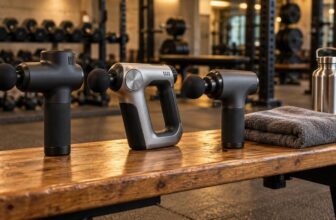
Sore upper body, not enough hands? A budget massage gun in the $80 to $120 range. The Renpho Active or Bob and Brad C2 punch above their price. Our massage gun roundup has the picks worth grabbing.
Tight calves and hamstrings, mostly running? Compression boots if budget allows ($300+). Cheaper option: a vibrating foam roller. Both work, boots are nicer to use.
Sleep is the bottleneck? Better sleep beats any recovery tool. Get the bedroom cold, dark, and quiet. Magnesium glycinate before bed is the only supplement we’d actually point a beginner toward.
Lots of small nagging tightness everywhere? Yoga or mobility classes. Online programs like GMB or Tom Morrison cost $20 to $40 a month and outperform any tool for general mobility.
Step 4: What to skip as a beginner
- Cold plunges. Great tool eventually, but not the first $1,500 to spend. A cold shower works fine to start.
- Red light therapy. The research is real but the effect size for casual recovery is small. Wait until you’ve maxed out the basics.
- Cupping sets and gua sha tools. Niche, mostly worth it only if a trainer recommends them for something specific.
- “Smart” recovery wearables. WHOOP, Oura, Garmin recovery scores, useful eventually, but if you don’t already track training, the data won’t change anything.
The 30-day starter plan
If you literally just started and want a structure:
- Days 1 to 7: Foam roll 10 minutes after every workout. Drink electrolytes daily. Sleep at least 7 hours.
- Days 8 to 14: Add 10 minutes of stretching with the resistance band on rest days.
- Days 15 to 30: Try yoga or mobility class twice a week. Track what feels different.
If at the end of 30 days you still have specific recurring tightness or soreness, then look at gear upgrades. Most people don’t actually need them. The basics work.
One last thing. Recovery isn’t about gear. It’s about giving your body time to repair itself. The best recovery tool is a rest day. The second best is sleep. The third is hydration. Tools come fourth. Buy what you need, but don’t expect a $300 device to replace a 9-hour night of sleep.
You might also like:
- Best Massage Guns 2026
- Recovery Stack for Lifters: What Actually Works
- Cold Plunge vs Ice Bath: What Actually Matters
Disclosure: Some links in this article are affiliate links. We may earn a commission at no extra cost to you.
Gear Worth Considering
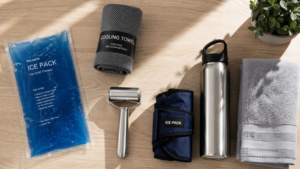
A simple starter kit for someone new to recovery tools.
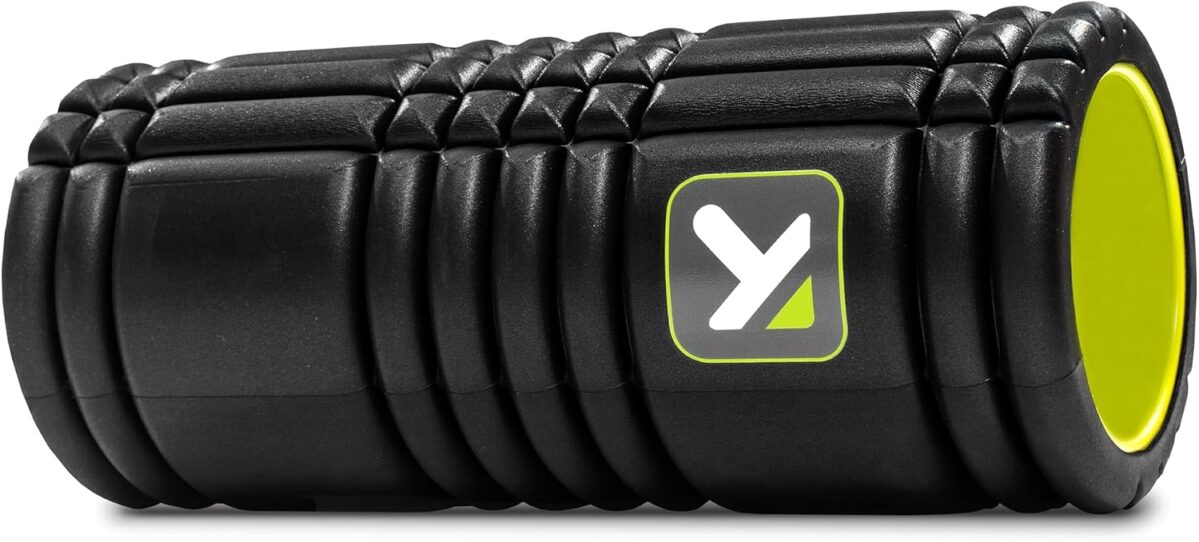
$24.97 on Amazon at time of writing · 4.7 stars from 23,000+ ratings
Check Price on Amazon
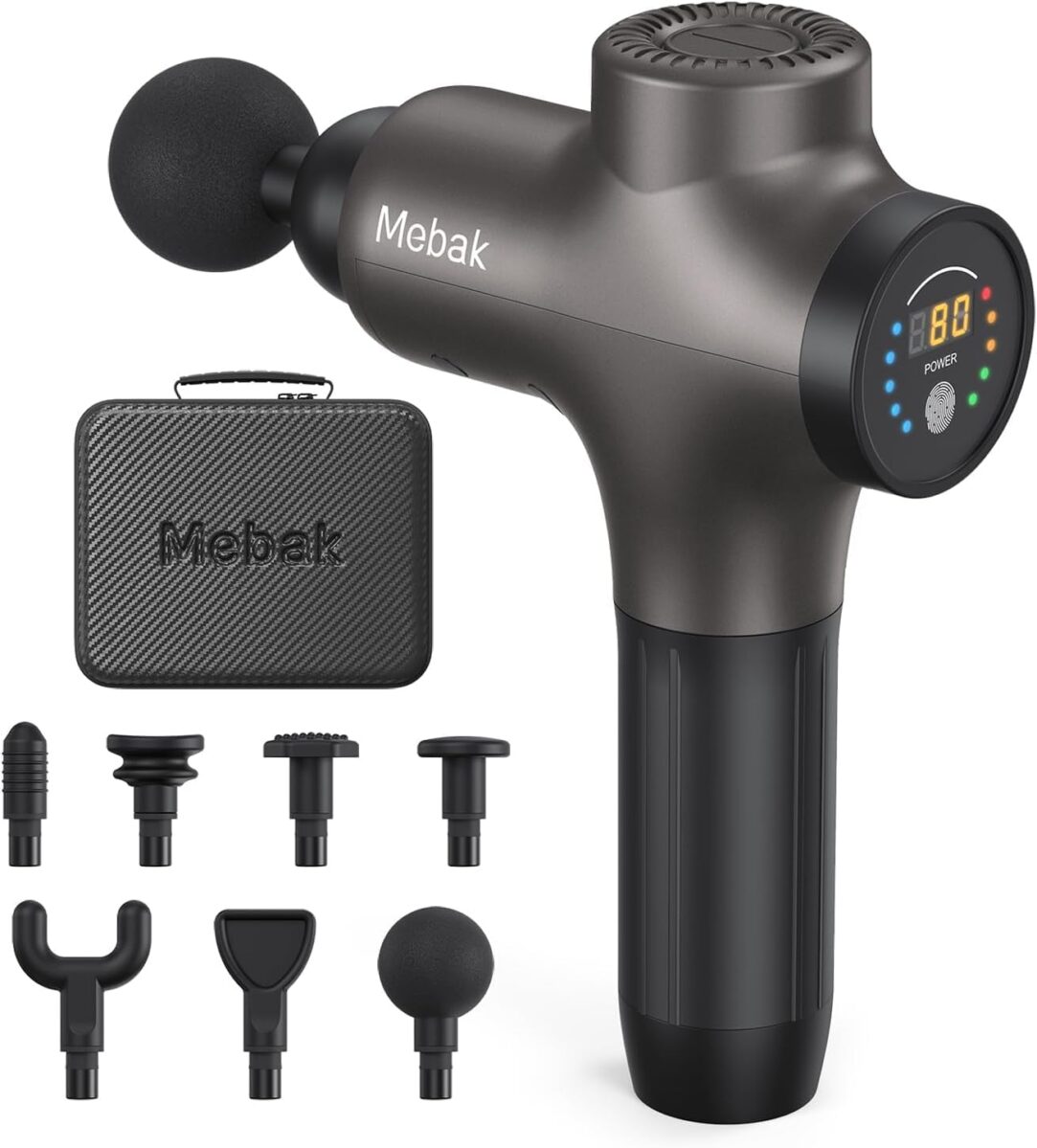
$80.74 on Amazon at time of writing · 4.7 stars from 19,000+ ratings
Check Price on Amazon
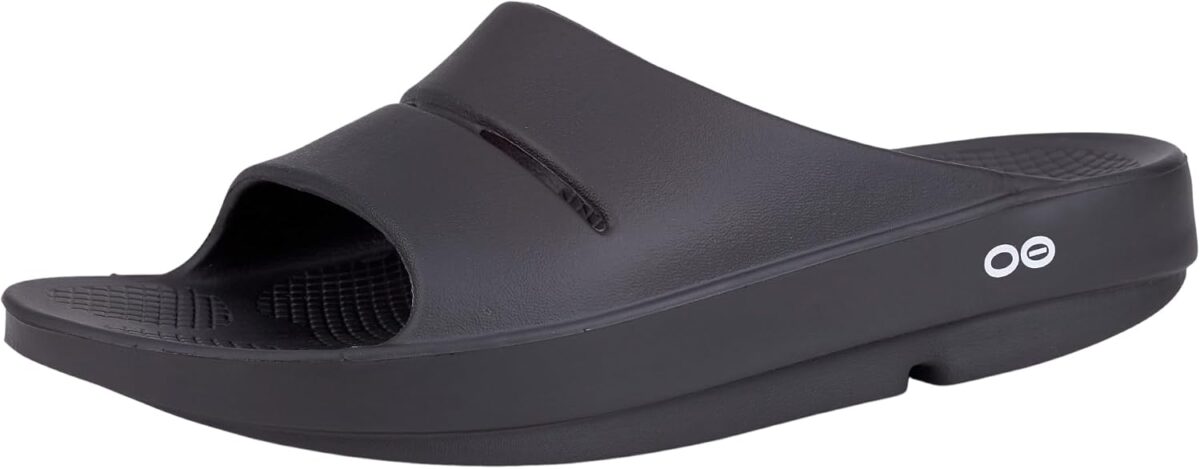
$59.95 on Amazon at time of writing · 4.4 stars from 27,000+ ratings
Check Price on Amazon
As an Amazon Associate, we earn from qualifying purchases.