





How to Choose a Cold Plunge Tub (2026 Buyer’s Guide)

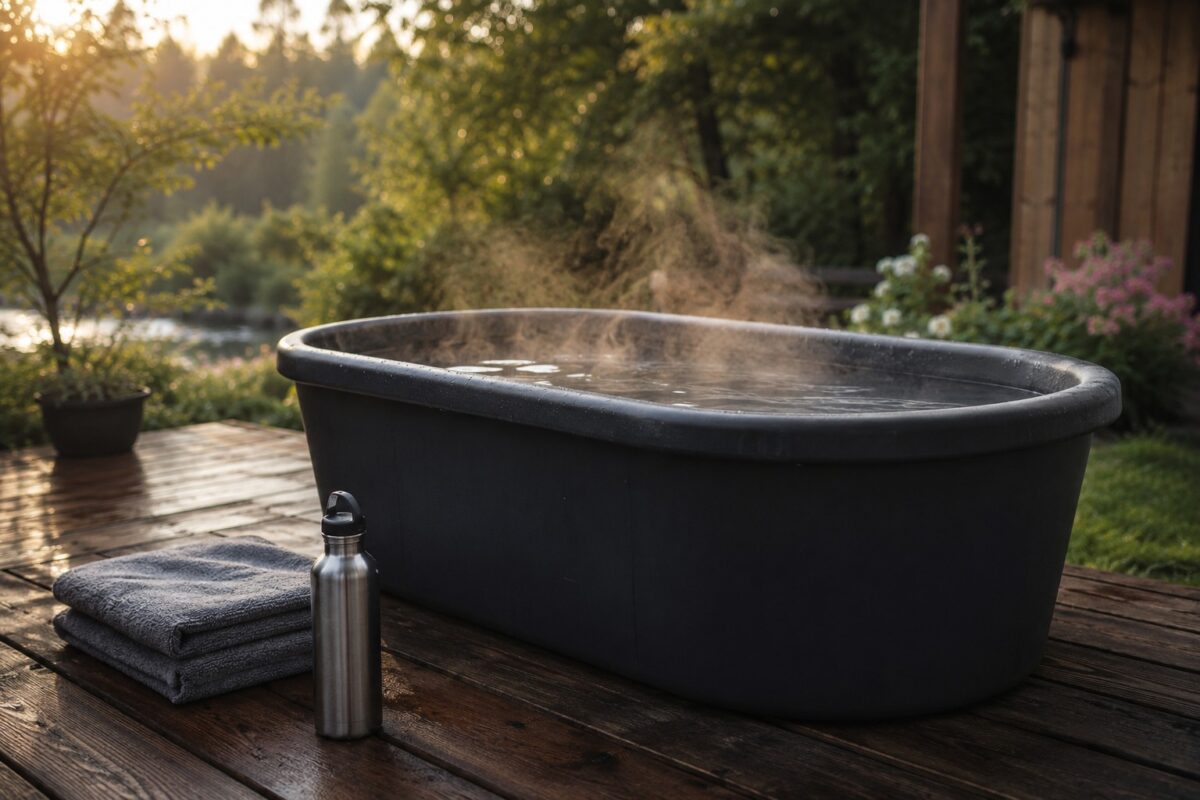
Cold plunge tubs went from a fringe thing to something half the regulars at any gym own, and the price range is wild. You can grab an inflatable barrel for under a hundred bucks or drop five figures on a chiller unit that looks like furniture. That gap is exactly why so many people buy the wrong one. Here’s how to figure out which type fits your space, your budget, and how often you’ll actually get in.
First decision: ice or a chiller
Every cold plunge falls into one of two camps. The simple ones are insulated tubs you fill with water and ice. The fancier ones have a built in chiller that drops the water to whatever temperature you set and holds it there.
Ice tubs are cheap to buy and annoying to run. You’re either buying bags of ice every session or freezing jugs in advance, and in summer the water warms up fast. A chiller tub fixes that. Set it to 45 degrees, walk away, and it’s ready whenever you are. The catch is price. Most chiller units start around $1,500 and climb from there.
My honest take? If you’re not sure cold exposure is even your thing, start with ice. No point spending four figures on a habit you might quit by July. The Ice Pod Pro review walks through a solid starter tub, the best cold plunge tubs under $500 roundup shows what the budget end gets you, and if you want the cheapest possible way in, the best ice bath tubs under $150 are about as low as it goes.
Size and fit, dont guess here
This trips up more buyers than anything else. A tub that looks roomy in a product photo can leave a six foot person sitting with their knees up by their ears. Check the interior dimensions, not the outer ones, and look for a seated depth that covers you to the shoulders. Submersion is the whole point. If your shoulders are out of the water, you’re getting a fraction of the effect.
Think about where it lives too. An inflatable can move to a balcony or a garage. A hard shell chiller tub weighs a ton once filled, sometimes 500 pounds or more, so wherever you put it is where it stays. Measure the spot before you order, including the path to carry it in.
Insulation and temperature range
Insulation decides how hard your ice, or your chiller, has to work. Cheap single wall tubs lose cold fast. Double wall or foam insulated tubs hold temperature much longer, which means fewer ice runs and a lower power bill if you’ve got a chiller. For most people a tub that sits in the low 40s is plenty. You dont need one that hits 37 degrees unless you’re chasing something specific, and colder isnt automatically better. It can actually be less safe for longer sits.
Filtration and upkeep
Here’s the part nobody mentions in the ads. If you’re leaving water in the tub between sessions, it needs care or it turns into a science experiment. Chiller units usually include a filter and sometimes ozone or UV sanitation, which keeps the same water usable for weeks. Ice tubs you typically drain and refill, which wastes water but skips the chemistry. Pick the hassle you’d rather deal with: scrubbing and refilling, or maintaining filters and checking the water now and then.
Build quality and the warranty
A tub is mostly fine until the liner springs a leak or the chiller pump dies. For inflatables, look at the material thickness and the seams. Drop stitch construction holds up better than thin PVC. For chiller models, the compressor is the expensive part, so check how long it’s covered. A one year warranty on a $2,000 machine is a yellow flag. Two to three years is more like it.
Match the tub to how you’ll use it
Quick gut check before you buy. Daily user who wants zero fuss and has the budget? A chiller tub earns its keep. Curious beginner or tight on cash? An ice tub or inflatable gets you the same cold water for way less. Big and tall, or sharing with a partner? Size up. The 216-gallon inflatable ice bath exists for exactly that reason. And if you’re still deciding whether cold plunging really beats a plain ice bath, our cold plunge vs ice bath breakdown settles it.
The Ice Pod, the budget tub everyone asks about
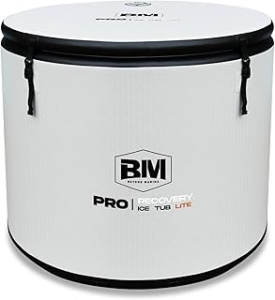
Half the questions we get about cold plunges are some version of “is the ice pod any good.” Short answer: for the price, yes, with caveats. The Ice Pod (and the near identical Cold Pod tubs sold under a few brand names) is a portable barrel style tub, layered PVC and nylon walls, a zip lid, and a bottom drain valve. You fill it with tap water, dump in two or three bags of ice, and youre plunging for well under a hundred bucks. Thats the whole pitch.
Reviews on these cluster around the same points we found. The good: sets up in about ten minutes, holds cold surprisingly well for something this thin, and folds down small enough for an apartment balcony. The not so good: the seams and liner are the wear item. Treat one gently and it lasts a year or two, drag it across concrete and it wont. The included thermometer is junk on most units, budget a separate one. And condensation means youll want it somewhere that can get wet.
If you plunge three times a week or more, skip ahead to the insulated tubs above, an ice plunge pod at this price is a starter tool. If youre still figuring out whether cold water is even your thing, its honestly the right first buy. The under $500 roundup has the step up options when the pod starts feeling small.
See Ice Pod style tubs on Amazon >
The 60-second checklist
Run through this before you check out:
- Seated depth covers your shoulders when you sit down
- Insulation type is double wall or foam, not single wall
- Ice or chiller matches your budget and your patience
- Weight and footprint fit the actual spot you measured
- Warranty covers the compressor or liner for at least two years
- A water care plan you can live with
Frequently Asked Questions
Is an ice pod the same thing as a cold plunge?
How long does an ice plunge pod last?
Do I really need a chiller, or is ice fine?
How cold should the water actually be?
How much space does a cold plunge tub need?
Can I leave water in it between sessions?
You might also like:
- Heat vs Ice for Sore Muscles: When to Use Each
- 5 Father’s Day Recovery Gifts He’ll Actually Use (2026)
- Best Cold Plunge Tubs Under $500 in 2026
Browse all Cold Therapy & Ice Baths >