


Ice Bath vs Cold Shower: Which One Actually Helps Recovery?

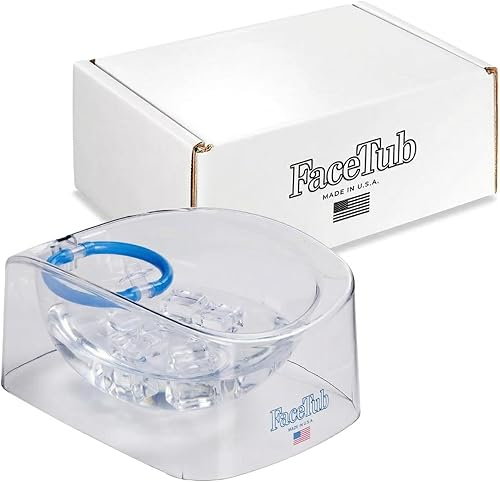
Two ways to get cold. One costs nothing. The other requires a tub, ice, and about 10 minutes of willpower. The question isn’t which one feels worse — its whether either of them actually does what people claim.
Short answer: both work. But they don’t work equally, and the difference matters depending on what you’re trying to recover from.
Disclosure: Some links in this article are affiliate links. We may earn a commission at no extra cost to you.
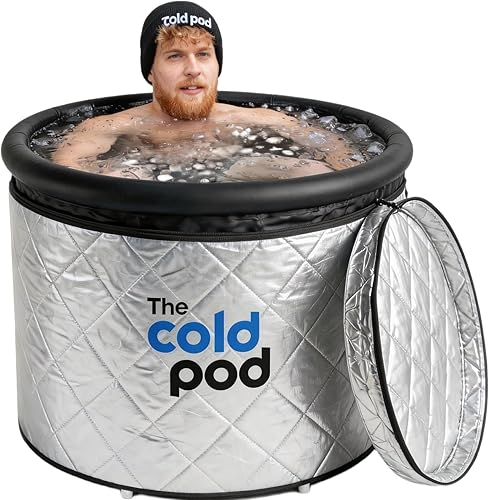
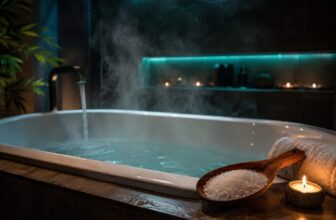
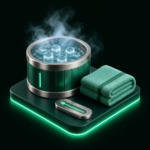
Ice Bath / Cold Plunge
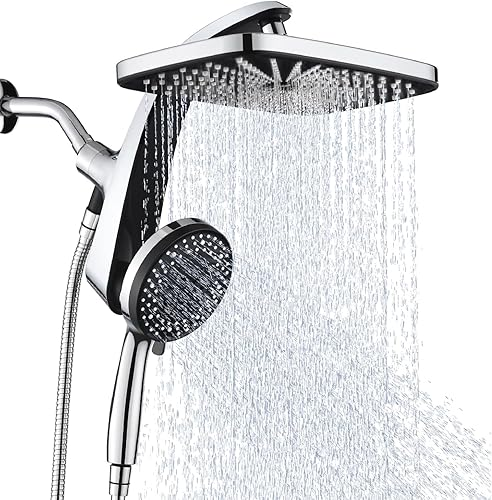
Cold Shower
| Factor | Ice Bath | Cold Shower |
|---|---|---|
| Water Temperature | 50–59°F (10–15°C) | ~60–70°F typical |
| Total Body Immersion | Yes | Partial (back, shoulders) |
| Post-workout inflammation | More effective | Mild effect |
| Mood / alertness boost | Strong | Strong (similar) |
| Setup required | Yes (tub + ice) | None |
| Cost | $40–$300 | Free |
| Daily practicality | Low to medium | High |
| Duration needed | 10–15 min at temp | 2–3 min cold portion |
Ice Bath, Pros & Cons
What Works
- Full body immersion cools core temperature faster and more evenly
- Sustained low temps (50–59°F) for 10+ minutes shows measurable reduction in DOMS in research
- Vasoconstriction effect is stronger and more systemic
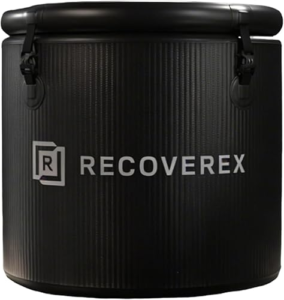
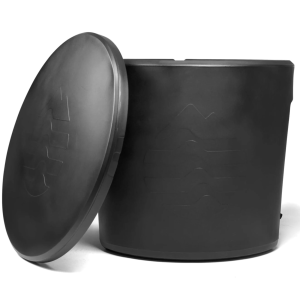
- Portable cold plunge tubs have made this accessible for under $50
Worth Knowing
- Requires setup — buying a tub, having a hose, adding ice or using cold water
- Some research suggests cold immediately post-strength training may blunt hypertrophy signals. Timing matters.
- More intimidating to stick to as a daily practice
Cold Shower, Pros & Cons
What Works
- Zero setup — you already have a shower
- Norepinephrine boost is real and well-documented — that’s where the mood and alertness effects come from
- Easy to make a daily habit
- Still useful for mild soreness, morning alertness, and building cold tolerance
Worth Knowing
- Shower water usually doesn’t get below 60°F, which limits the vasoconstriction response
- You can’t fully submerge, so core temp stays higher
- Less evidence for significant DOMS or inflammation reduction compared to true immersion
What the Research Actually Shows
The most cited study on cold water immersion (James et al., 2017, Journal of Physiology) found that CWI at 10–15°C for 10 minutes reduced muscle soreness and improved perceived recovery compared to passive rest. Cold showers weren’t the intervention — full immersion was.
For mood and alertness, a 2018 study in PLOS ONE found that cold showers (ending with 30 to 90 seconds of cold) reduced self-reported sick days and improved energy levels over 30 days. So the shower studies are more about mental and immune benefits than physical recovery.
The hypertrophy concern is real but often overstated. A 2015 study in the Journal of Physiology found reduced satellite cell activity after cold immersion post-resistance training, suggesting it may slow muscle adaptation. Most coaches now recommend waiting at least 24 hours between heavy strength training and cold therapy if muscle building is the goal. For endurance athletes or anyone focused on soreness reduction, that timing concern is less relevant.
So Which One?
For pure recovery — reducing soreness after hard training days — a real ice bath beats a cold shower. Not because the shower doesn’t work, but because full immersion at sustained cold temperatures does more. If you’re in a heavy training block and soreness is limiting your next session, the ice bath is worth the setup hassle.
For everything else — daily habit, mood boost, mental resilience, building cold tolerance — a cold shower is completely adequate and infinitely more practical. You’ll do it more often because the barrier is lower, and consistency matters more than the occasional perfect session.
If you have the space and $40 for a portable tub, get one and use it a few times a week after your hardest sessions. Use cold showers the other days. That combination is probably the most practical answer.
You might also like:
- Normatec 3 vs FIT KING: Compression Boots at Two Very Different Price Points
- BIOptimizers Probiotic Breakthrough Review: P3-OM Reformulated for Gut Recovery
- Is the Hypervolt 2 Pro Worth It? Honest 2026 Review