Compex makes some of the best EMS devices out there. Thats not really up for debate. But at $250 to $500 per unit, they’re priced like physical therapy equipment, because they basically are. If you want the muscle stimulation benefits without the Compex price tag, there are solid options that get surprisingly close for a fraction of the cost.
I went through dozens of TENS/EMS units on Amazon to find five that actually deliver real muscle stimulation, not just the tingly sensation you get from the cheap gas station units. Some are wireless, some are wired, but they all work. Heres what made the cut.
| Product |
Price |
Type |
Design |
Rating |
| Chirp Halo |
$170.99 |
EMS |
Wireless |
4.2/5 |
| iReliev Bundle |
$69.95 |
TENS + EMS |
Wired |
4.5/5 |
| MASTOGO Wireless |
$53.99 |
TENS + EMS |
Wireless |
4.5/5 |
| AVCOO 3-in-1 |
$34.99 |
TENS+EMS+Massage |
Wired |
4.7/5 |
| Belifu Dual Channel |
$22.06 |
TENS + EMS |
Wired |
4.5/5 |
1
Chirp Halo Wireless Muscle Stimulator
Best Premium Wireless Pick
4.2(270 reviews)
WirelessApp-ControlledPortable
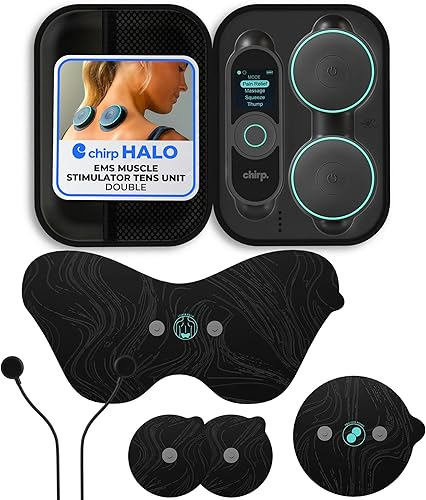
The Chirp Halo is the closest thing to a Compex without the Compex price tag. Its fully wireless, connects to an app for guided programs, and the electrode pads stick well without slipping during movement. Build quality is a step above the budget options on this list, and the app actually works, not a given in this category. Main downside is the 4.2 star average; some users report Bluetooth connection drops after a few months.
2
iReliev TENS + EMS Bundle
Best Mid-Range Rehab Pick
4.5(1,388 reviews)
Dual TENS+EMSFDA-ClearedRehab-Grade
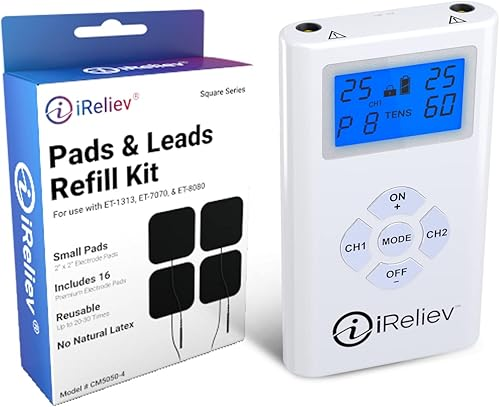
iReliev has been in the TENS/EMS game longer than most brands on this list, and it shows. The bundle comes with both a TENS unit and an EMS unit, so you get pain relief AND muscle stimulation in one package. FDA cleared, which matters if youre using it for actual rehab and not just post gym soreness. The wired design feels dated next to the Chirp Halo, but the signal quality is rock solid. If you want something a physical therapist would actually recommend, this is the one.
3
MASTOGO Wireless TENS/EMS Unit
Best Wireless Budget Pick
4.1(1,909 reviews)
WirelessDual ModeUnder $60
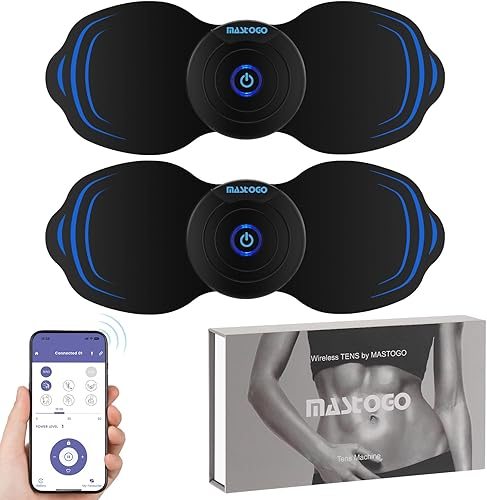
MASTOGO hits a sweet spot that most EMS brands miss: wireless design at a budget price. The pads are self adhesive and the controller clips right onto them, so theres no cable management to deal with. 24 modes give you plenty of variety between TENS pain relief and EMS muscle work. Battery life is decent at around 10 to 15 sessions per charge. The app is basic but functional. For anyone who wants wireless convenience without paying Chirp Halo money, this is the obvious pick.
4
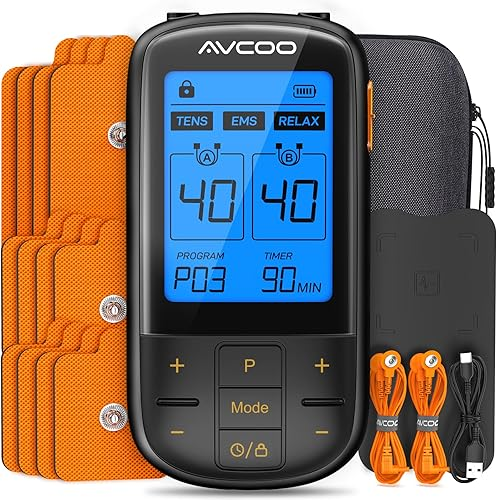
AVCOO 3-in-1 TENS/EMS Unit
Highest Rated Budget Option
4.7(1,411 reviews)
3-in-132 ModesEVA Case
At 4.7 stars with over 1,400 reviews, the AVCOO is the highest rated unit on this list. The 3-in-1 design packs TENS, EMS, and massage modes into one device with 32 programs and 40 intensity levels. Comes with an EVA carrying case and 12 electrode pads out of the box. Its wired and basic looking, but the sheer mode variety at this price makes it hard to beat for someone whos not sure exactly what settings theyll end up needing. If you want to experiment without committing $170+, start here.
5
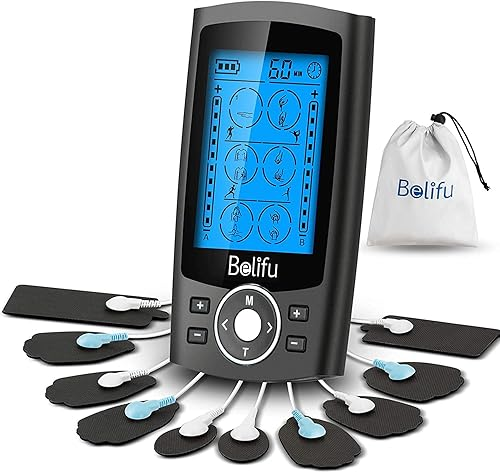
Belifu Dual Channel TENS EMS Unit
Best Ultra-Budget Pick
4.5(61,080 reviews)
61K+ ReviewsUnder $25Dual Channel
With over 61,000 reviews and a 4.5 star average, the Belifu is basically the default recommendation in the budget EMS space. Its been around for years, which means the kinks have been worked out. 24 modes across TENS and EMS, dual channel output so you can target two muscle groups at once, and it comes with 10 pads plus a drawstring bag. At $22, its literally less than a single pack of Compex replacement electrode pads. If you just want to try EMS without overthinking it, grab this one.
Frequently Asked Questions
Whats the difference between TENS and EMS?
TENS (Transcutaneous Electrical Nerve Stimulation) targets nerves to block pain signals. EMS (Electrical Muscle Stimulation) targets muscles to cause contractions, which helps with recovery and strength. Most units on this list do both, but the Chirp Halo is EMS only.
Can these actually replace a Compex?
For most home users, yes. Compex has more precise waveforms and clinical grade power output, but unless youre a pro athlete or in a rehab clinic, the difference is hard to feel in practice. The budget units cover 90% of what most people need.
Are wireless EMS units as strong as wired ones?
Generally no. Wireless units trade some max intensity for convenience. The Chirp Halo and MASTOGO are plenty strong for recovery and mild strengthening, but if you need really deep contractions, a wired unit like the iReliev or AVCOO will deliver more power.
How often should you use an EMS device?
Most manufacturers recommend 20 to 30 minute sessions, 3 to 5 times per week. Dont overdo it on the same muscle group two days in a row. Start at lower intensities and work your way up over a week or two.
Which One Should You Get?
If wireless matters to you and you’ve got the budget, the Chirp Halo is the most Compex-like experience on this list. For the best value overall, the AVCOO 3-in-1 packs an absurd number of modes into a $35 package with the highest user rating here. And if you just want something thats been proven by tens of thousands of buyers at the lowest possible price, the Belifu at $22 is hard to argue with. For serious rehab work, go with the FDA cleared iReliev.
You might also like:
Browse all Recovery Science >
As an Amazon Associate, we earn from qualifying purchases.