

The Recover StackRecover Stack Editorial Team
Recover Stack Review ProcessResearched from specs and verified owner reviews
October 6, 2026
TENS units are everywhere now. Drugstores, Amazon, even gas stations sell those little electrode boxes. And honestly, most of them work to some degree. The problem isn’t finding one â its picking the right one for what you actually need. A $25 unit from a pharmacy endcap and a $180 medical-grade device are solving very different problems, and if you don’t know what separates them you’ll either overspend or end up with something that collects dust in a drawer.
This guide breaks down everything that matters so you can grab the right TENS unit the first time. No fluff, no product rankings â just the stuff you need to know before you buy.
What a TENS Unit Actually Does (Quick Version)
TENS stands for Transcutaneous Electrical Nerve Stimulation. Fancy name for a simple concept: small electrical pulses travel through electrode pads on your skin and interrupt pain signals heading to your brain. It doesn’t fix the underlying problem. What it does is give you temporary relief by basically confusing your nervous system â your nerves get busy processing the electrical signal and stop screaming about that sore lower back for a while.
Some units also trigger endorphin release at lower frequencies, which is why a good session can leave you feeling oddly relaxed. Its not magic and its not a cure. But for managing chronic pain, post-workout soreness, or flare-ups, a TENS unit can be genuinely useful when you understand what you’re working with.
Features That Actually Matter
Channels: Single vs Dual vs Quad
A “channel” is one pair of electrode pads controlled independently. Single channel units have two pads, dual channel gives you four, and quad channel means eight pads running at once. If you’re treating one spot â say, a sore elbow or a stiff neck â single channel is fine. But most people dealing with back pain or multiple problem areas want at least dual channel so you can hit two zones simultaneously with different intensity settings. Quad channel units are mostly for physical therapy clinics or people managing widespread pain conditions.
Modes: TENS vs EMS vs Combo
Pure TENS targets nerves for pain relief. EMS (Electrical Muscle Stimulation) targets muscles to cause contractions â think recovery and rehab rather than pain management. Combo units do both, and they’ve gotten really affordable. If you’re an athlete or someone who wants muscle recovery alongside pain relief, a combo unit is worth the extra $10-15. For straight pain management though, a TENS-only unit works perfectly.
Electrode Pads
This is the thing people overlook. Pads wear out. They lose stickiness after 15-30 uses depending on the brand, and replacements cost $8-15 per set. Some brands use proprietary pads that cost more. Others use standard snap-on or pin connectors that work with generic replacements from Amazon. Check pad compatibility before you buy â the long-term cost of pads can exceed the unit itself within six months of regular use.
Intensity Levels and Programs
Budget units offer maybe 10-20 intensity levels. Mid-range and up give you 40-100+. More levels means finer control, which matters when you’re dialing in that sweet spot between “I can barely feel it” and “that’s way too strong.” Pre-set programs are nice but honestly most people find 2-3 settings they like and stick with those. Don’t pay extra just because something advertises 42 massage modes.
Battery: Rechargeable vs Replaceable
Rechargeable is more convenient and cheaper long-term. Replaceable (usually AAA) means you’re never stuck with a dead unit if you forgot to charge it. For home use, go rechargeable. For a travel bag or emergency kit, replaceable batteries have an edge. Most decent units now come with built-in lithium batteries that last 10-20 hours per charge.
Wireless vs Wired
Wireless TENS units have the controller built into the electrode pad itself â no wires dangling around. They’re great for wearing under clothes or using while you move around. The tradeoff? Smaller batteries, fewer channels (usually single channel only), and they cost more per pad. Wired units are bulkier but give you more power, more channels, and cheaper pad replacements. If you’re using it at home while sitting or lying down, wired is the better value. If you need it during your commute or workday, wireless makes sense.
Price Tiers: What You Get at Each Level
Under $30 â Basic But Functional
Single or dual channel, 10-20 intensity levels, a handful of preset modes. Battery is usually replaceable AAA or a small rechargeable. These work fine for occasional use â a stiff neck here, sore muscles there. Don’t expect durability or fancy features. Brands like AUVON and Belifu live here and they’re honestly decent for the price.
$30-80 â right balance
This is where most people should be shopping. Dual channel, 24-60 intensity levels, TENS/EMS combo modes, rechargeable batteries, and better build quality. You’ll get proper LCD screens, more pad options, and usually a carrying case. iReliev, NURSAL, and the mid-range AUVON units all fall in this bracket. For chronic pain management or regular athletic recovery, this tier hits the right balance between capability and cost.
$80-200 â Medical Grade
Quad channel, prescription-level intensity, advanced waveforms, and build quality that lasts years. Units like the TENS 7000 and HealthmateForever sit here. These are for people with diagnosed pain conditions, physical therapy patients, or anyone who uses TENS daily. The extra money gets you more precise control, stronger output, and components that won’t wear out after a year. If your physical therapist recommended a TENS unit, this is probably the tier they meant.
Who Should Get What
Back pain (general): Dual channel, $40-60 range. You want two channels so you can place pads on both sides of your spine simultaneously. A combo TENS/EMS unit helps because EMS can relax tight muscles contributing to the pain. If you’re dealing with sciatica specifically, check out our best recovery tools for sciatica guide for more targeted options.
Knee pain: Single or dual channel works. The knee is a small enough area that one channel covers it. Focus on a unit with good low-frequency options (2-10 Hz) for endorphin release, which tends to work better for joint pain than the higher-frequency nerve blocking.
Athletes and gym recovery: Combo TENS/EMS unit in the $50-80 range. You’ll actually use the EMS mode more than TENS â muscle stimulation speeds recovery after hard training sessions. Pair it with something like a heated wrap for serious post-workout recovery. And if you want to track how your recovery is going, there are some solid recovery trackers under $200 worth looking at.
Desk workers with neck and shoulder tension: Wireless pads are the move here. You can stick them on under a shirt and get relief during your workday without anyone knowing. Budget $40-60 for a decent wireless set. The convenience factor alone is worth the premium over wired for this use case.
Common Mistakes People Make
Buying the cheapest option “just to try it.” The $15 units are so weak and limited that they give people a bad impression of TENS therapy in general. Spending $35-45 instead gives you a dramatically better experience. Its the difference between thinking TENS is useless and actually getting relief.
Ignoring pad replacement costs. A $30 unit with $15 proprietary pads every month costs more annually than an $80 unit with $8 universal pads. Do the math before you buy.
Cranking intensity too high too fast. Start low and increase gradually over your first few sessions. Your skin and nerves need to adapt. Going straight to max intensity doesn’t mean more relief â it usually just means skin irritation and an unpleasant experience.
Using it on the wrong body parts. Never place electrodes on your throat, over your heart, on your temples, or over open wounds. This sounds obvious but people get creative when they’re in pain. Stick to large muscle groups and the areas recommended in the manual.
Expecting a cure. TENS manages symptoms. It’s a tool in your recovery toolkit, not a replacement for addressing the root cause. Use it alongside stretching, strengthening, and whatever your healthcare provider recommends â not instead of those things.
Frequently Asked Questions
How long should I use a TENS unit per session?
Can I use a TENS unit while sleeping?
Do TENS units actually work or is it placebo?
TENS vs EMS â do I need both?
As an Amazon Associate, we earn from qualifying purchases.
You might also like:
- TENS 7000 Review: The $38 TENS Unit That Won’t Go Away
- Best Cold Plunge Tubs Under $500 in 2026
- TENS Unit vs Massage Gun: Which One Should You Actually Buy
- Amazfit Cheetah Review: Sub-$250 Sport Watch With Dual-Band GPS and 14-Day Battery
Gear Worth Considering
Two TENS units worth a look: the classic dial controlled TENS 7000 and a wireless app controlled option.
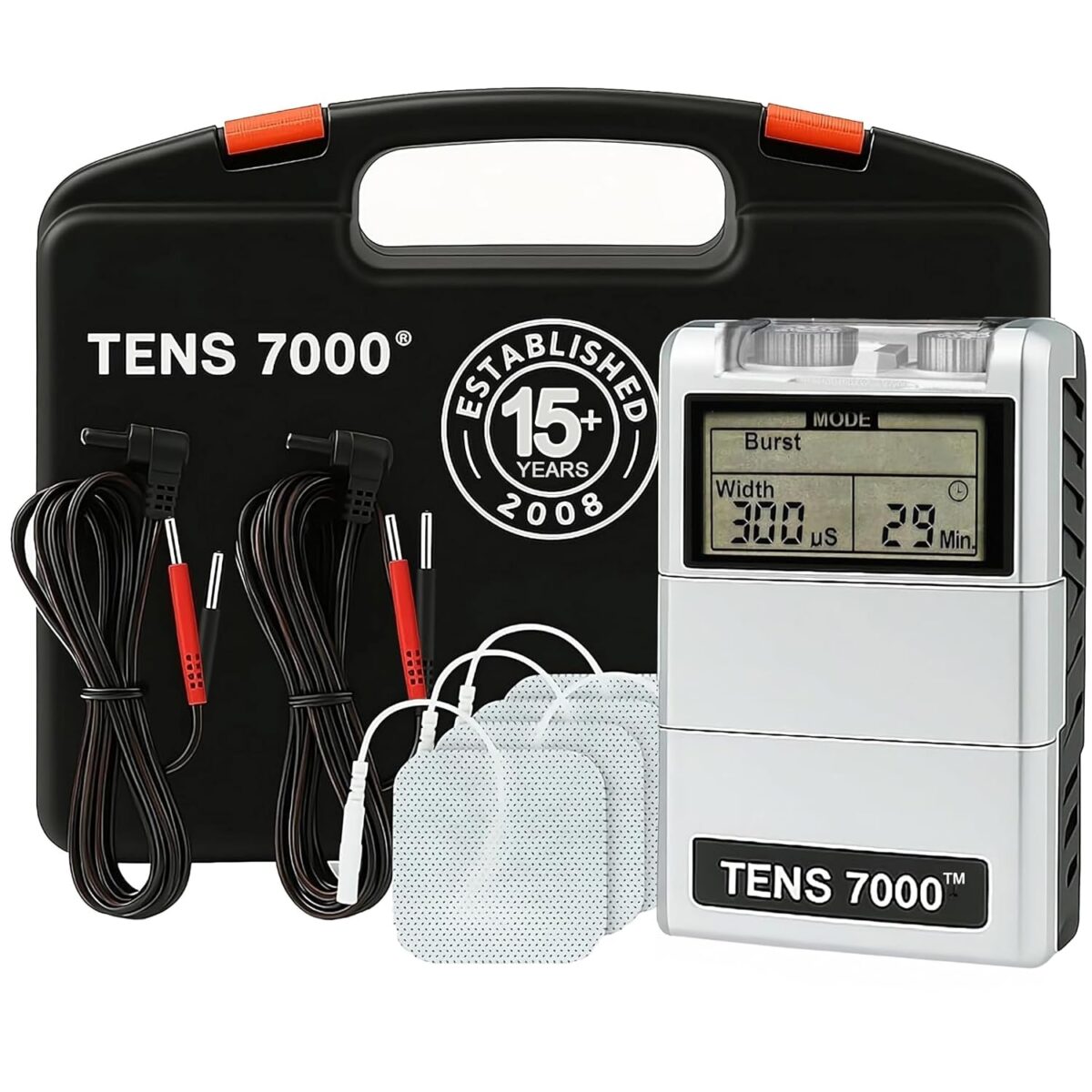
$32.95 on Amazon at time of writing · 4.6 stars from 112,000+ ratings
Check Price on Amazon
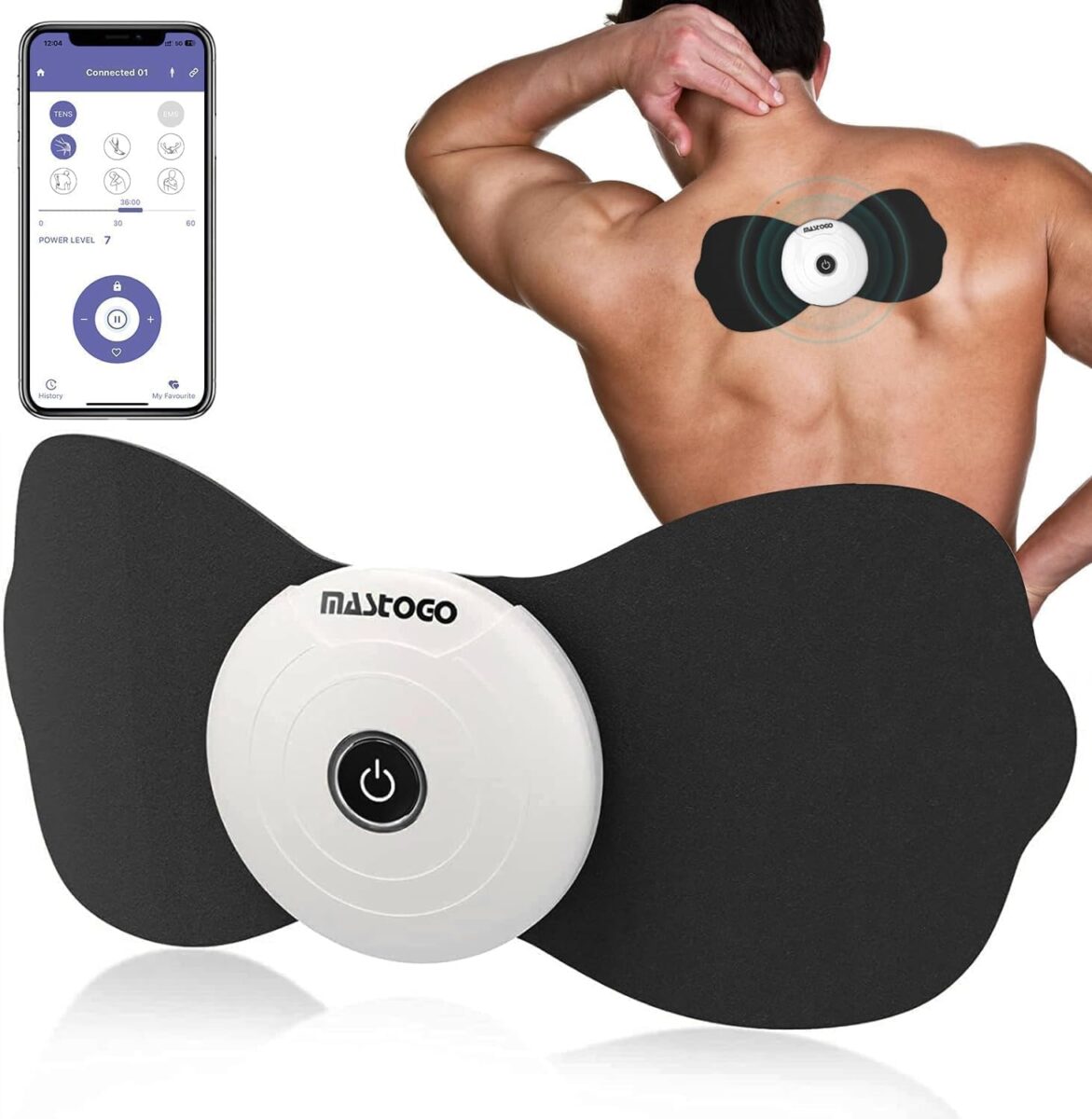
$27.19 on Amazon at time of writing · 4.1 stars from about 1,900 ratings
Check Price on Amazon