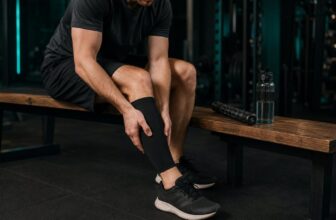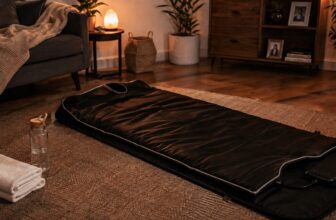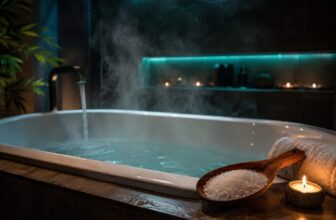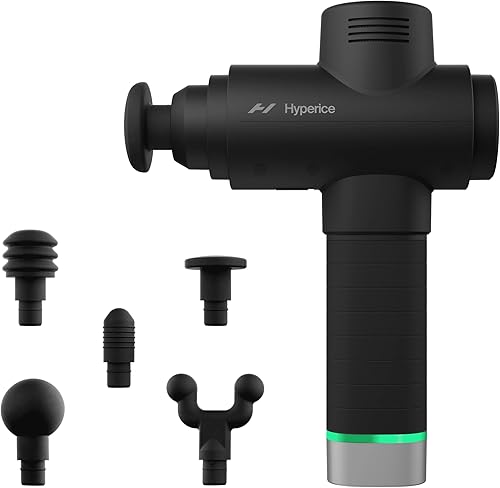





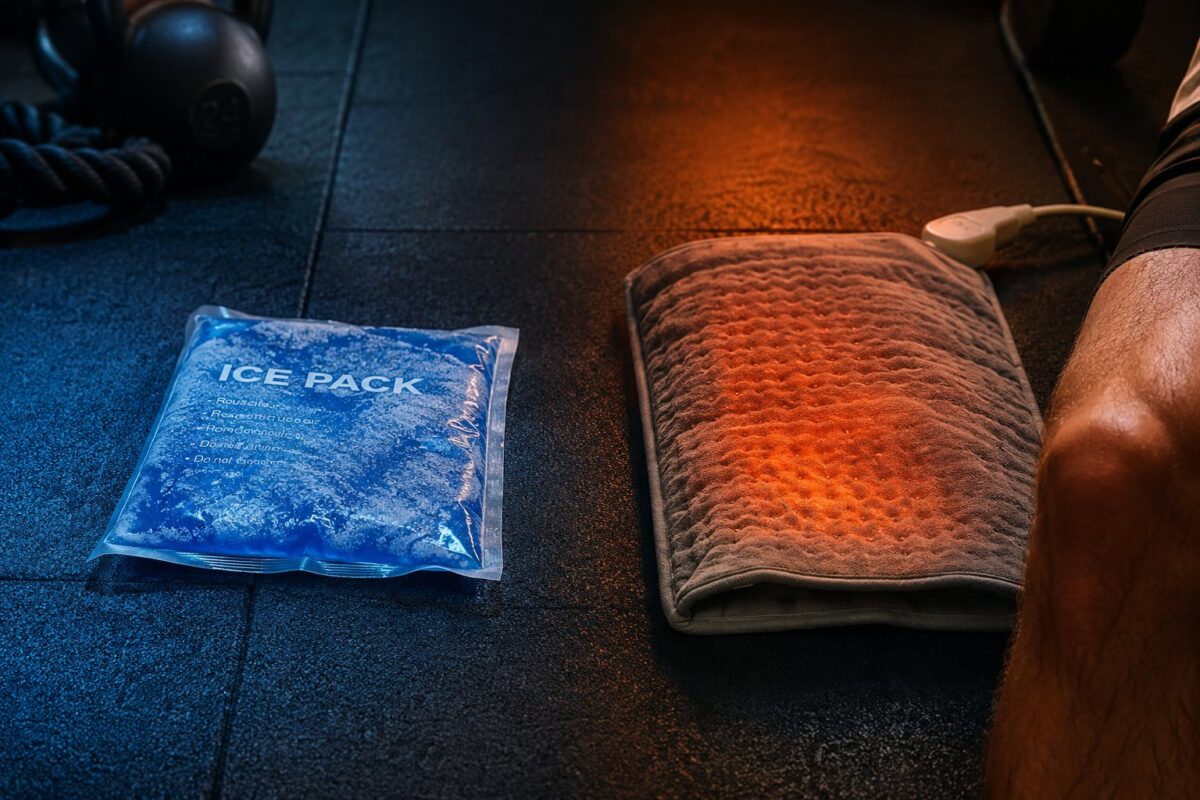
Short answer: ice for fresh injuries, heat for stiffness and chronic aches. If you only remember one thing from this page, make it that. The longer answer has a few wrinkles worth knowing, because using the wrong one at the wrong time can drag your recovery out by days.
The 48 hour rule
When you roll an ankle or tweak something mid-workout, the tissue around it swells. Thats your body flooding the area with fluid, and for the first day or two its already doing plenty. Cold narrows blood vessels and slows that swelling down, which is why ice gets the call for anything fresh. After roughly 48 hours the swelling phase winds down, and from there heat usually does more good. Warm tissue moves better, plain and simple.
One caveat the research keeps piling up on: icing after every single workout might not be the free win it was sold as for decades. A few studies suggest blunting inflammation right after lifting can also blunt some of the adaptation you trained for. Save the routine ice baths for tournament weekends and back to back race days, not your Tuesday gym session.
| Situation | Ice | Heat |
|---|---|---|
| Rolled ankle, first 48 hours | Yes | No, makes swelling worse |
| Stiff lower back in the morning | No | Yes |
| Sore knee after a long run | Yes, 15 to 20 min | Later that evening is fine |
| Before stretching or mobility work | No, cold tissue resists stretch | Yes |
| Chronic tendon grumbling | Either, go by feel | Most people do better with heat |
| Day-old DOMS from leg day | Either, evidence is mixed | Heat plus easy movement wins for most |
When ice earns its keep
Fresh sprains, impact bruises, and that puffy feeling around a joint after you overdid it. Keep sessions to 15 or 20 minutes with a layer of fabric between the cold and your skin. A decent gel pack molds around the joint instead of sitting on it like a brick, which matters more than people think for actually cooling the deep tissue.
Shop gel ice packs on Amazon >
If you’re dealing with a cranky knee specifically, we put together a separate list of recovery tools for knee pain that goes deeper than this post can.
When heat is the right call
Stiffness, chronic low back pain, tight hips before a workout, basically anything that feels rusty rather than injured. Heat brings blood flow in rather than chasing it away. Twenty minutes with a heating pad before stretching makes a noticeable difference in how far you can move without forcing it. Plenty of owners keep one draped over a desk chair through winter for exactly this.
What about doing both?
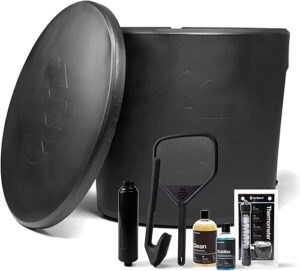
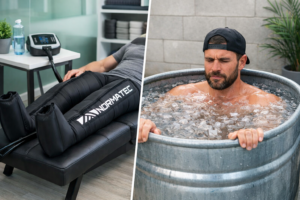
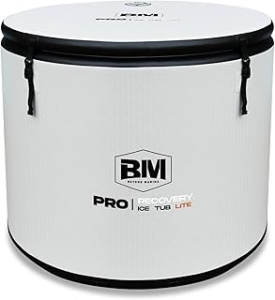
Contrast therapy, alternating hot and cold, has a loyal following among athletes and the evidence is honestly thinner than the hype. It probably helps with the perception of soreness, and perception counts for something. If you want to experiment, end on cold for swelling-prone areas and end on heat for stiffness. People who get serious about the cold half usually graduate to a plunge tub, and our cold plunge tubs under $500 roundup covers the ones worth the money.
Mistakes that slow you down
Heat on a fresh sprain is the big one. It feels nice for ten minutes and then the joint balloons. Second is icing right before training, cold muscle doesnt fire or stretch the way warm muscle does, so you’re starting your session at a disadvantage. And dont fall asleep on a heating pad. Low-temperature burns are a real thing and they show up after hours, not minutes.
Disclosure: Some links in this article are affiliate links. We may earn a commission at no extra cost to you.
As an Amazon Associate, we earn from qualifying purchases.You might also like:
- 5 Father’s Day Recovery Gifts He’ll Actually Use (2026)
- GALINAND Cold Therapy Machine Review: Hands-Free Icing for a Bad Knee
- The Cold Pod Review: Inflatable Cold Plunge Tested Over Six Weeks
Browse all Cold Therapy & Ice Baths >
Related: A massage gun that does both is worth a look, our RENPHO Active Thermacool 2 review covers a heat-and-cold model.