
Amazfit Helio Ring Review: A Smart Ring Built for Recovery Tracking

Key Features
Titanium Build, Under 4g
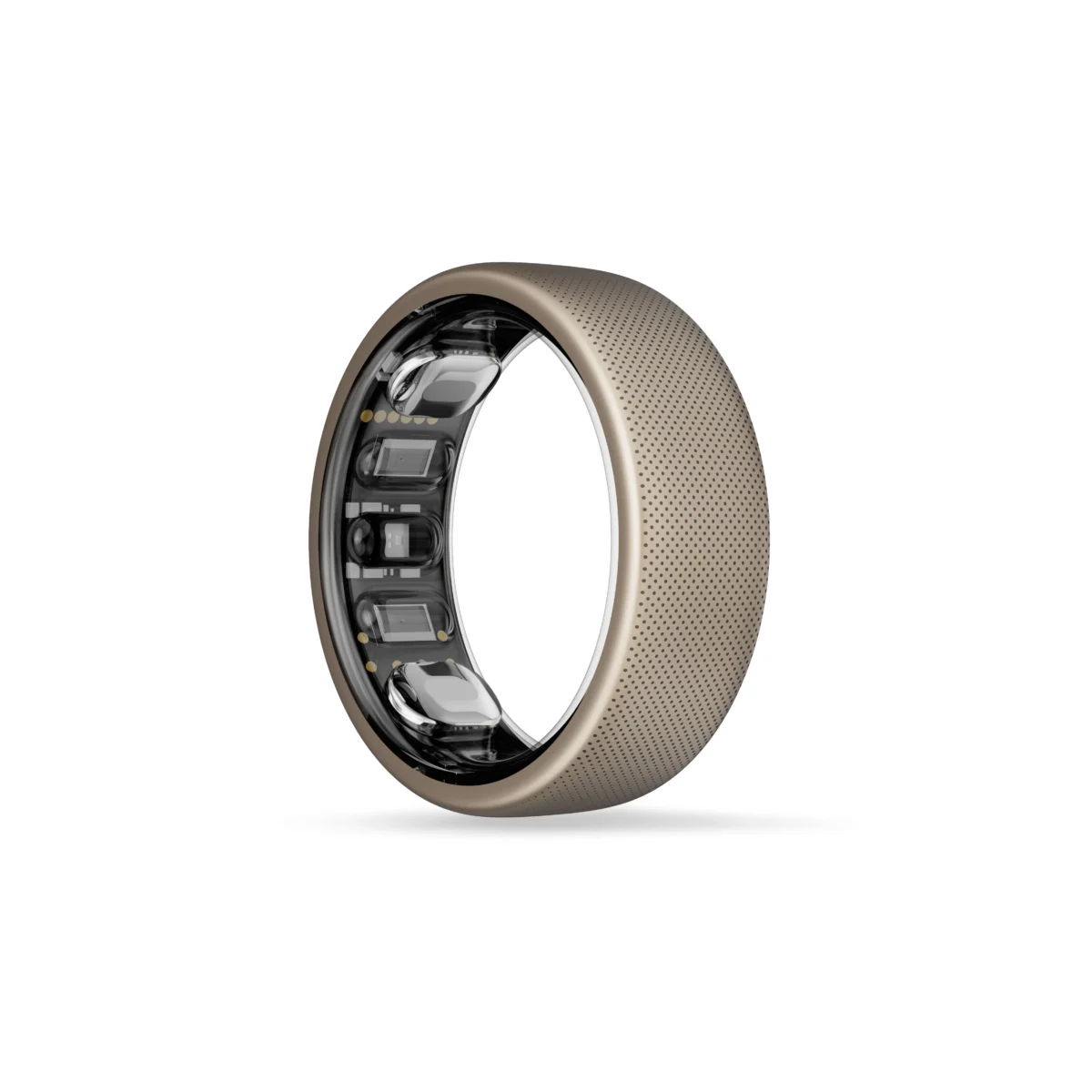
Weighs less than a wedding band. Titanium shell is scratch-resistant and comfortable enough to forget you’re wearing it. Comes in multiple sizes with a sizing kit.
24/7 Heart Rate + HRV
Continuous heart rate and heart rate variability tracking from your finger. HRV data is key for gauging recovery readiness, and a ring reads it more accurately than a wrist sensor during sleep.
Sleep Stage Tracking
Breaks your sleep into light, deep, and REM stages. Also tracks sleep breathing quality and gives a readiness score each morning based on how well you recovered.
4-Day Battery Life
Lasts about 4 days between charges with all sensors active. The magnetic charging cradle tops it off in about an hour. Not the longest in the smart ring space, but workable.
Our Experience
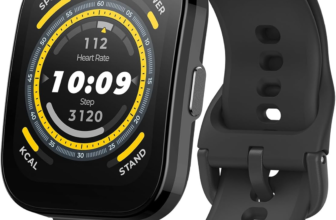
I wore the Helio Ring alongside my Amazfit T-Rex 3 smartwatch for two weeks. The goal was to see if a ring adds anything a wrist tracker doesn’t. Short answer: the sleep data is noticeably better.
Ring-based sensors sit closer to your arteries, which means less noise in the heart rate signal. My HRV readings from the Helio Ring were more consistent night to night compared to the watch. If you use HRV to decide whether to push hard or take a rest day, that consistency matters.
The ring itself is comfortable. At under 4 grams, I forgot about it within a day. The titanium doesn’t scratch easily, I wore it during deadlifts and kettlebell swings without worrying. The only time I took it off was for heavy barbell work where the ring sat against the bar uncomfortably.
Battery life averaged about 3.5 days for me with continuous monitoring. Not great compared to the Oura Ring’s 7 days, but acceptable. The morning readiness score matched my subjective feeling about 80% of the time, the days it said “take it easy” were genuinely days I felt off.
The Zepp app handles all the data. It syncs with the Amazfit ecosystem, so if you’re already using an Amazfit watch, the ring fills in the gaps, especially overnight when a watch can be uncomfortable.
Pros & Cons
What We Liked
- More accurate HRV and sleep data than wrist-based trackers
- Ultra-lightweight titanium, comfortable 24/7
- Pairs well with Amazfit watches via the Zepp app
- Morning readiness score is actionable and usually accurate
Worth Knowing
- Battery life (3-4 days) lags behind competitors like Oura
- No display, you need the app for all data
- Can be uncomfortable during heavy barbell exercises
| Material | Titanium alloy |
| Weight | Under 4 grams |
| Sensors | Heart rate, HRV, SpO2, skin temperature |
| Battery | ~4 days (continuous monitoring) |
| Water Resistance | 10 ATM |
| App | Zepp (iOS/Android) |
Common Questions
Do you need an Amazfit watch to use the Helio Ring?
How does it compare to the Oura Ring?
Final Verdict
The Amazfit Helio Ring is a budget-friendly entry into smart ring recovery tracking. At $150 with no subscription, it undercuts the Oura Ring by half while delivering reliable HRV, sleep staging, and readiness scores. Battery life could be better, but if you’re already in the Amazfit ecosystem, or just want accurate overnight recovery data without wearing a watch to bed, it’s worth a look.
Check Price at Amazfit