

Red Light Therapy for Muscle Recovery: Does It Actually Work?
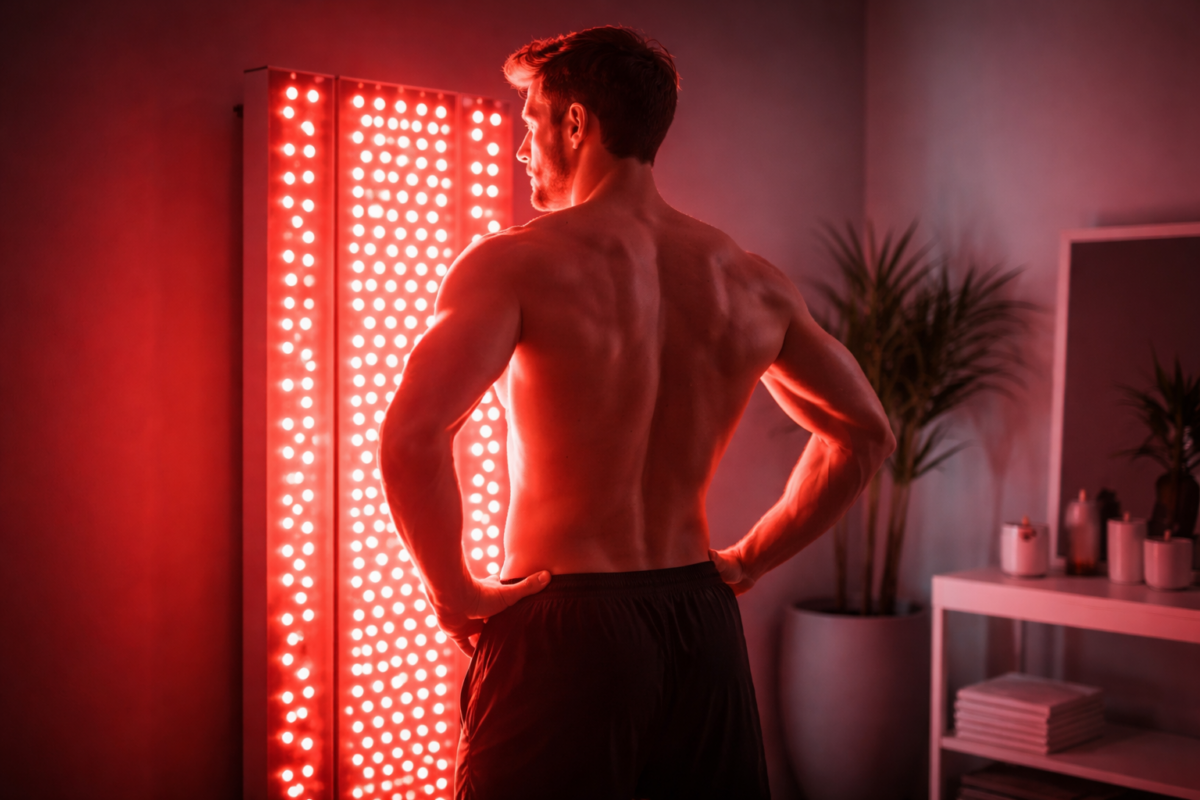
Red light therapy (photobiomodulation) has gained popularity among athletes seeking latest recovery methods. The science suggests real benefits, but hype often exceeds reality. Understanding the actual research and realistic expectations helps you decide if red light therapy belongs in your recovery arsenal.
The Science Behind Red Light Therapy
Red and near-infrared light wavelengths (600-1,100 nanometers) penetrate tissue and interact with mitochondria, the cell’s energy-producing powerhouses. In particular, these wavelengths stimulate cytochrome c oxidase in the electron transport chain, increasing ATP (cellular energy) production. More energy enables faster cellular repair and adaptation.
Research-Supported Benefits
Multiple peer-reviewed studies demonstrate red light therapy reduces muscle soreness by 10-30% when applied post-workout. It accelerates strength recovery between sessions. Athletes using red light therapy show improved power output and endurance. Pain reduction occurs within minutes to hours of treatment.
best Wavelengths for Recovery
Red light (600-700nm) penetrates superficial tissue effectively. Near-infrared light (700-1,100nm) penetrates deeper into muscle. Combining both wavelengths in a single device offers best recovery benefits. Devices using 660nm and 850nm wavelengths show the most consistent research support.
Treatment Duration and Frequency
Effective treatment requires 15-30 minutes daily or 3-4 times weekly. Higher frequencies (daily treatment) show faster results than lower frequencies. Consistency matters more than single high-dose sessions. Many athletes apply red light therapy post-workout or before bed for recovery optimization.
Realistic Expectations vs. Marketing Hype
Red light therapy enhances recovery, it doesn’t replace proper sleep, nutrition, or training. Expect 10-30% soreness reduction, not complete elimination. Performance improvements are measurable but modest (2-5% typically). It’s a valuable complement to full recovery, not a magic solution.
Device Options and Costs
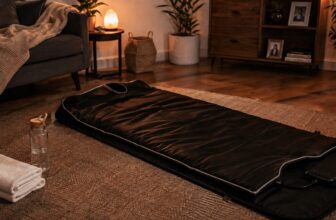
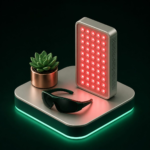
Basic red light panels: $100-300 for small models, $500+ for large panels. Professional systems: $1,000+. Targeted red light devices: $50-200. Larger, higher-power devices deliver faster results but smaller, more affordable devices work effectively with longer treatment times.
Safety and Considerations
Red light therapy is extremely safe with minimal side effects. Overuse may cause temporary headaches (rare). Avoid pointing the device directly in eyes. People taking light-sensitive medications should consult healthcare providers. Generally, red light therapy is one of the safest recovery modalities available.
Conclusion: A Promising Recovery Tool Worth Considering
Red light therapy shows legitimate science-backed benefits for muscle recovery. It’s particularly valuable for athletes seeking every marginal gain in recovery optimization. While not a replacement for fundamentals, consistent red light therapy meaningfully accelerates recovery and reduces soreness. If recovery is a priority and budget allows, red light therapy deserves a place in your toolkit.
Disclosure: Some links in this article are affiliate links. We may earn a commission at no extra cost to you.