Cold Plunge + Sauna + Red Light Stack: The Ultimate 2026 Recovery Protocol

The Recover StackRecover Stack Editorial Team
Recover Stack Review ProcessResearched from specs and verified owner reviews
October 6, 2026
The 2026 Recovery Stack That Actually Works
Five years ago, cold plunge was the weird thing one guy at the gym was talking about. Now its in every recovery facility from Tampa to Tampa Bay, sitting next to an infrared sauna and a red light panel that costs more than your first car. The “stack” is here. The science behind why you would use all three is finally catching up.
Heres what each modality actually does, the sequence that gets the most out of all three, what the research supports and what is still in the wishful thinking column, and how to build the stack at three different budgets without buying anything you dont need.
What Each Modality Actually Does
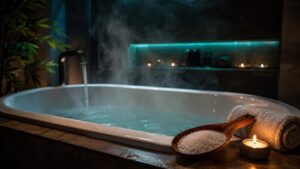
Cold plunge (50 to 59 degrees F, 2 to 5 minutes): Constricts blood vessels. Flushes inflammation. Spikes norepinephrine and dopamine, sometimes for hours. The norepinephrine bump is what gives you the focus and mood lift everyone talks about. The vasoconstriction-then-rebound effect helps pump waste products out of muscle tissue.
Sauna (160 to 190 F traditional, 120 to 150 F infrared, 15 to 30 minutes): Triggers heat shock proteins. Cardiovascular conditioning similar to moderate exercise. Boosts circulation. Long term, regular sauna use is associated with reduced cardiovascular mortality in the Finnish KIHD study data.
Red light therapy (630 to 850 nm wavelengths, 10 to 20 minutes): Photons in the red and near infrared spectrum get absorbed by cytochrome c oxidase in mitochondria, which improves cellular energy production. Skin gets the biggest benefit at 630 to 670 nm. Deeper tissue (muscles, joints) responds to 810 to 850 nm.
Why Stacking Works Better Than Any Single Modality
You can use any one of these on its own and feel something. Stacking them turns the dial up by hitting the body through three different mechanisms in one session.
Sauna heats you up, dilates blood vessels, and dumps you into a parasympathetic state. Cold reverses that, slams the nervous system into sympathetic mode, and produces a contrast effect that is dramatically bigger than cold alone. Red light, used between or after, gives the mitochondria the energy boost to clean up whatever inflammation just got shaken loose.
The combined effect is what people who use the full stack actually feel: deeper sleep that night, lower resting heart rate the next morning, less DOMS after hard training, and a mood lift that lasts most of the day.
The Sequence That Most Trainers Use in 2026
There is no single “correct” order, but the most common stack used at recovery facilities looks like this:
- Sauna first. 15 to 20 minutes. Hydrate before and during. You should be sweating but not lightheaded.
- Cold plunge immediately after. 2 to 3 minutes if youre experienced, 30 to 60 seconds if youre new. The shock of going from 180 F to 50 F is the whole point.
- Red light at the end. 10 to 20 minutes on the muscle groups you want to target. Skin first (face, chest) for shorter exposures, then deeper tissue (back, legs) longer.
Total time: about 45 to 60 minutes. Frequency: 2 to 4 times a week for recovery from training, daily if you have access and the time.
Some protocols flip the order and put cold first to wake up, sauna middle, red light to wind down. Both work. Pick the one that fits your schedule and stay consistent for 8 weeks before judging the results.
What Research Actually Supports vs Marketing Hype
Well supported:
- Sauna for cardiovascular conditioning
- Cold for inflammation reduction post training (mild effect on hypertrophy though, so dont cold plunge right after lifting if muscle growth is the goal)
- Red light for skin appearance, wound healing, and localized pain
- All three for sleep quality, indirectly
Still in the maybe column:
- Cold for fat loss (effect is real but small)
- Red light for hair regrowth (clinical results exist but device dose matters a lot)
- Sauna for “detoxification” (the body detoxes via liver and kidneys, not sweat)
If a piece of marketing material says one of these will “boost testosterone 200 percent” or “burn 800 calories per session,” ignore it. The honest claims are modest and additive over time.
Building the Stack at Three Budgets
Under $500 (entry level home):
- Cold: a $200 stock tank from Tractor Supply plus 4 bags of ice from the gas station. Yes really.
- Sauna: skip the home unit. Buy a day pass at a local recovery facility 1 to 2 times a week.
- Red light: a small BestQool BQ60 or comparable panel for face and chest.
$1,500 to $4,000 (committed home setup):
- Cold: a basic chiller cold plunge like The Cold Pod or Plunge Original (around $2,000)
- Sauna: a Sun Home or Sauna Space portable infrared blanket ($400 to $1,000)
- Red light: BestQool Pro100 or Rouge Tabletop panel ($600 to $1,200)
$8,000 plus (full home stack):
- Cold: a hard sided chiller plunge with insulation and ozone, like Plunge or Cold Stoic
- Sauna: full size 1-2 person infrared cabinet from Sun Home, Clearlight or Therasage
- Red light: BestQool Pro300 full body panel or Rouge Ultimate G3
The under $500 budget gets you 70 percent of the benefit. The $8,000 setup gets you 95 percent and the convenience of never leaving the house.
Common Stacking Mistakes
- Cold plunging immediately after strength training (blunts hypertrophy adaptation – wait 4 to 6 hours)
- Staying in the sauna too long the first few weeks (start at 10 minutes, build up)
- Using red light too close to the skin (3 to 6 inches is the sweet spot for most panels)
- Doing the stack right before bed (the cold spike can wreck sleep onset; finish 2 hours before)
- Skipping hydration. Sauna pulls a lot of water. Replace with electrolytes, not just plain water.
Who Should Skip the Stack Entirely
Cold plunge is not for pregnant women, people with uncontrolled hypertension, anyone with arrhythmia, or anyone whose doctor said no. Sauna shares some of those contraindications. Red light is generally safe but should not be used over the eyes without proper goggles, and people on photosensitizing medications should check with a doctor first.
Should You Build the Stack?
If you train hard, sleep poorly, or just want a 45 minute reset that lifts mood for hours, the answer is yes. Start cheap. Build a habit. Upgrade equipment when you know youll use it. Avoid the $20,000 mistake of buying everything before youve done it three times.
The 2026 recovery stack is real. It works. And it doesnt require the influencer budget. Anchor it with the cheapest option that gets you doing it consistently, then upgrade the modality you use most. The body adapts to consistency, not equipment.
Gear Worth Considering
Starting points for building the stack at home, from a cheap ice tub to a chiller plunge and a mid size red light panel.
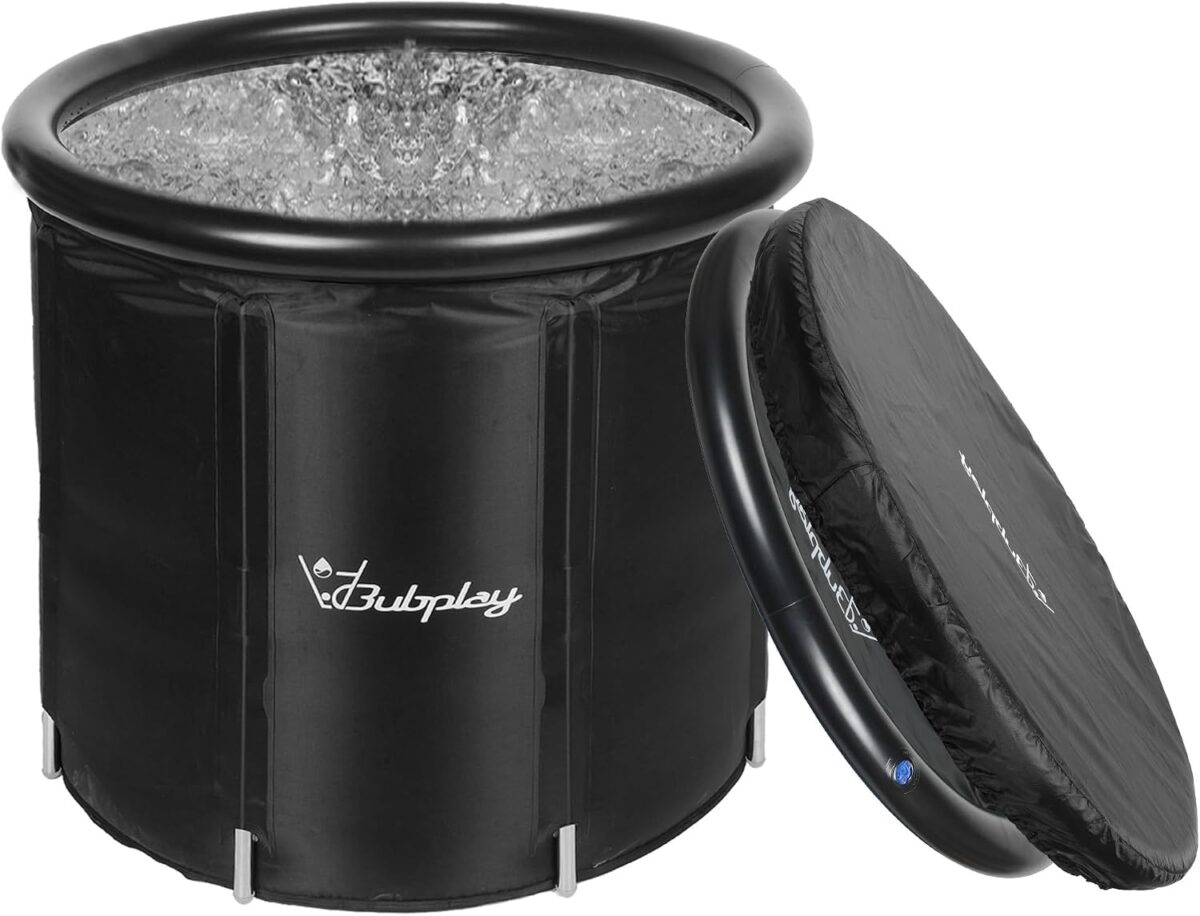
$63.99 on Amazon at time of writing · 4.2 stars from about 750 ratings
Check Price on Amazon
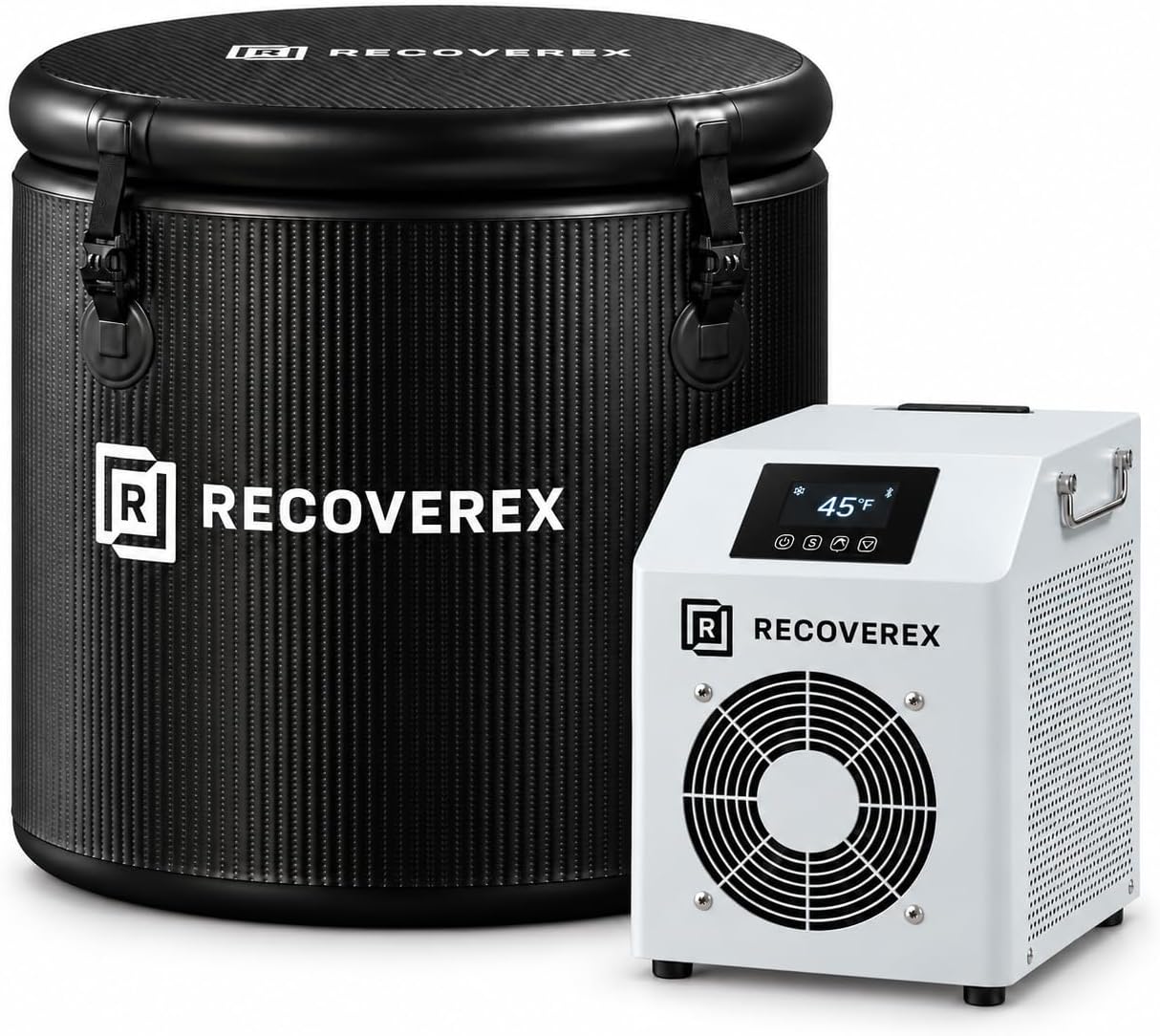
$1,599.00 on Amazon at time of writing · 4.9 stars from about 33 ratings
Check Price on Amazon
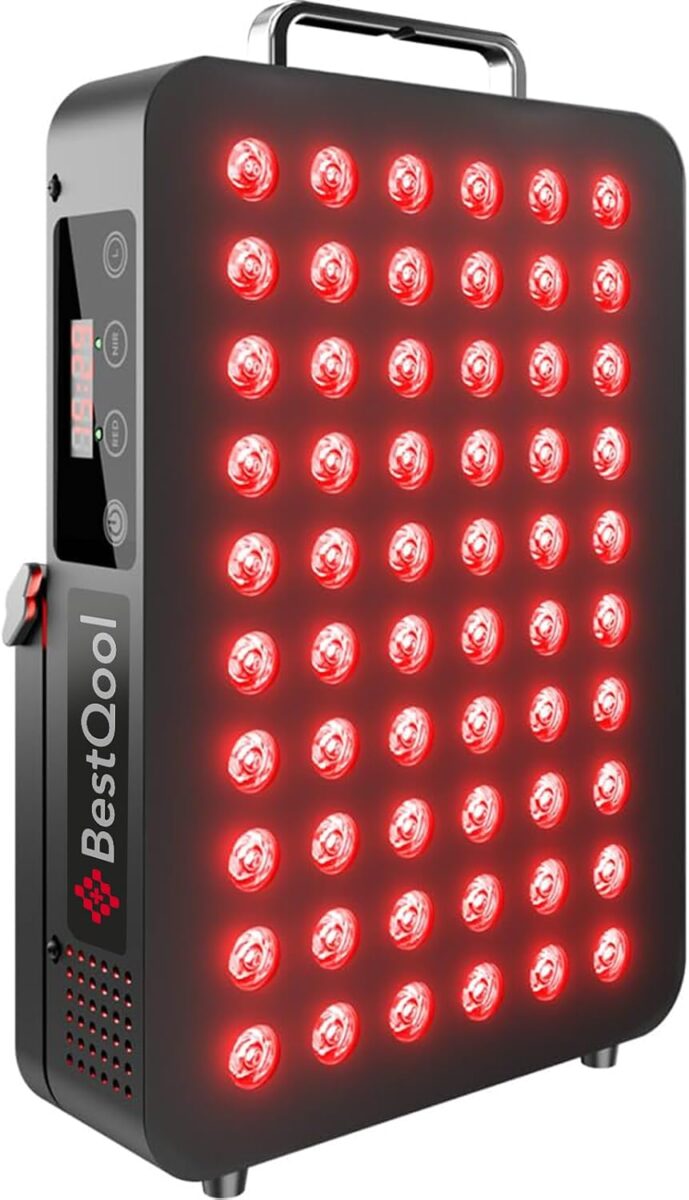
$152.60 on Amazon at time of writing · 4.6 stars from about 1,850 ratings
Check Price on Amazon
As an Amazon Associate, we earn from qualifying purchases.