
The Recover StackRecover Stack Editorial Team
Recover Stack Review ProcessResearched from specs and verified owner reviews
October 9, 2026
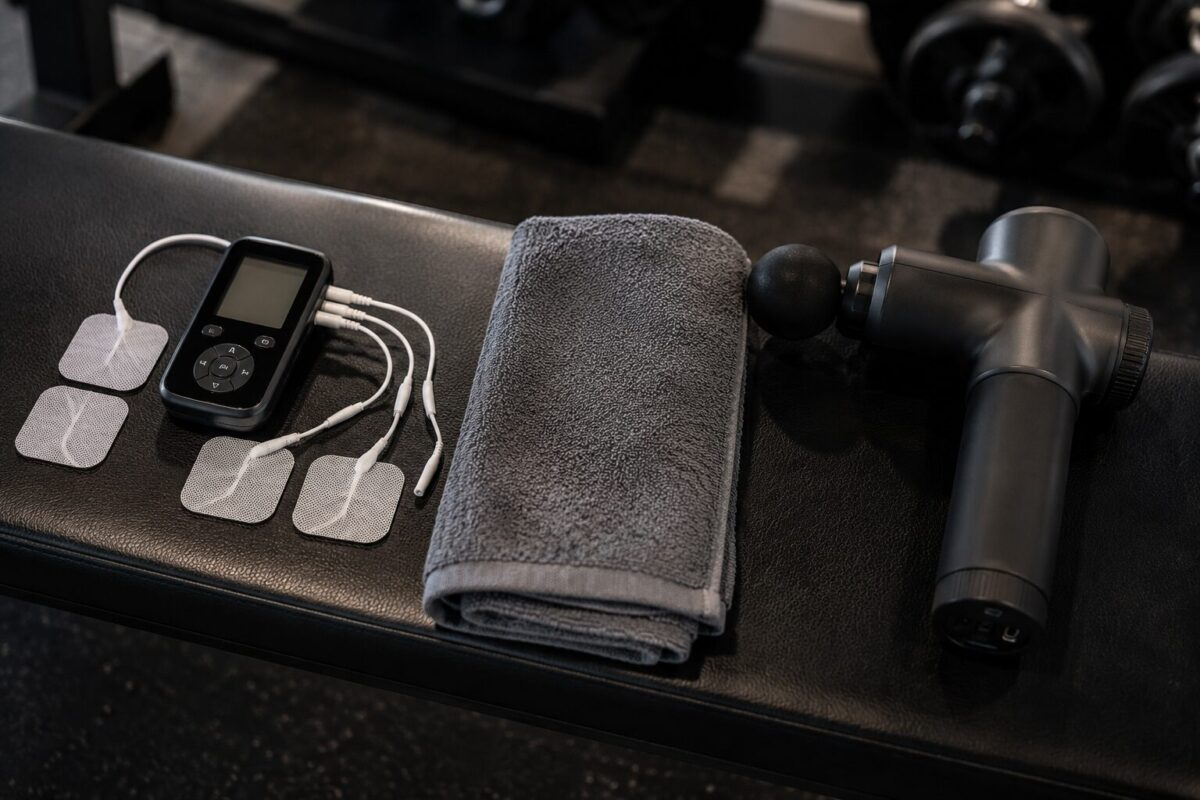
Two of the most popular recovery tools on Amazon right now target the same problem, muscle soreness and general aches, but they work in completely different ways. A TENS unit sends small electrical pulses through your skin to block pain signals. A massage gun physically hammers your muscle tissue to increase blood flow and break up tension. Both have research backing them up. Both cost under $100 for a good one. So which do you actually need?
They’re not interchangeable, and the research on each points to different jobs. One handles certain situations way better than the other. Here’s the breakdown.
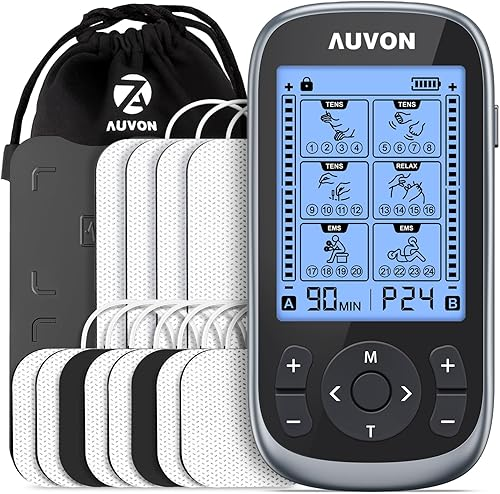
TENS Unit
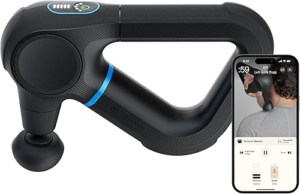
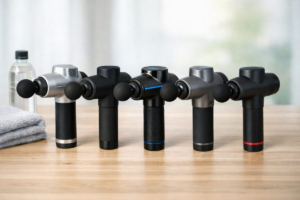
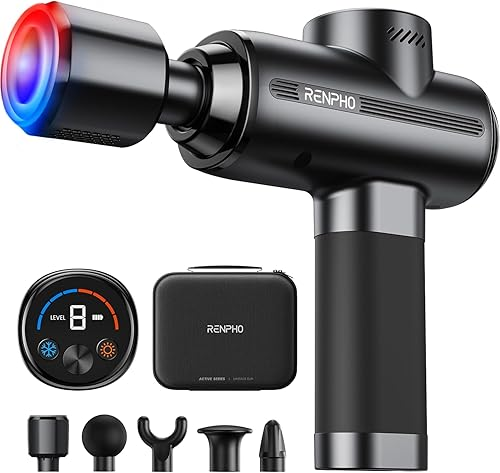
Massage Gun
| Feature | TENS Unit | Massage Gun |
|---|---|---|
| How It Works | Electrical pulses block pain signals | Percussive force increases blood flow |
| Best For | Chronic pain, joint pain, nerve pain | Muscle soreness, tightness, warm-ups |
| Speed of Relief | 10–20 minutes per session | 2–5 minutes per muscle group |
| Noise Level | Silent | 40–70 dB depending on model |
| Portability | Pocket-sized, some clip to waistband | Bulkier, needs a carrying case |
| Hands-Free Use | Yes, stick pads on and go | No, requires one hand |
| Learning Curve | Moderate (pad placement matters) | Low (point and press) |
| Price Range | $25–$80 | $50–$400 |
| Ongoing Costs | Replacement pads ($8–15 every few months) | None |
| Research Support | Strong for pain management | Strong for DOMS and flexibility |
When a TENS Unit Is the Better Pick
If your main issue is pain rather than muscle tightness, TENS wins and its not particularly close. The electrical stimulation works by flooding your nervous system with signals that basically drown out pain messages before they reach your brain. It’s the same concept as rubbing a bumped elbow, you’re overriding the pain signal with something else.
Specific situations where TENS makes more sense:
- Joint pain (knees, elbows, shoulders) where deep pressure would make things worse
- Lower back pain that’s been hanging around for weeks
- Sciatica or nerve-related discomfort
- Post-surgical recovery where tissue is too tender for percussion
- At your desk or on a plane, stick the pads on, hit start, keep working
The hands-free thing is genuinely underrated. People wear TENS units while working at a desk, reading or cooking dinner (manufacturers say not to use them while driving). You cant do that with a massage gun. Once those pads are on and the program is running, you just forget about it for 20 minutes.
When a Massage Gun Is the Better Pick
For the typical gym-goer dealing with sore quads, tight hamstrings, or a stiff upper back after deadlifts? Massage gun, no question. The percussive action physically pushes blood into the tissue, breaks up fascial adhesions, and gives you that immediate “loosened up” feeling that TENS just cant replicate.
Situations where a massage gun is the move:
- Post-workout soreness (DOMS) in large muscle groups
- Pre-workout warm-up to increase range of motion
- Tight IT band, calves, or traps
- Trigger points you can feel as hard knots
- When you need fast relief and dont have 20 minutes to wait
The biggest advantage is speed. Two minutes of targeted percussion on a sore quad and you feel noticeably better. A TENS session needs at least 15 minutes to really kick in, and the relief is more about pain masking than actually loosening the tissue.
TENS Unit: Pros & Cons
What We Liked
- Completely silent operation, use it anywhere without drawing attention
- Hands-free once pads are placed, multitask while treating
- Cheap entry point, solid units start around $30
- Better for chronic pain conditions and nerve-related issues
- Extremely lightweight and portable
Worth Knowing
- Replacement electrode pads add up over time
- Pad placement takes some trial and error to find whats effective
- Relief is temporary, doesn’t fix the underlying muscle issue
- Not great for large muscle groups or deep tissue work
Massage Gun: Pros & Cons
What We Liked
- Fast results, 2 to 3 minutes per muscle group
- Actually loosens tissue rather than just masking pain
- No ongoing consumable costs after purchase
- Intuitive to use, basically zero learning curve
- Great for warm-ups and increasing range of motion pre-workout
Worth Knowing
- Noise, even “quiet” models are audible in a shared space
- Requires one free hand, cant multitask easily
- Not ideal for joints, bony areas, or acute injuries
- Good ones cost $100+, cheap ones often break within months
Can You Use Both?
Yes, and that’s a common setup. They complement each other because they target different problems: the massage gun after training for muscle work, then TENS pads later in the evening if your lower back flares up from sitting too long.
If budget is tight and you can only pick one: go massage gun if you’re primarily dealing with workout soreness and muscle tightness. Go TENS if your main issue is chronic pain, joint discomfort, or you need something discreet and hands-free.
The Verdict
For most people reading this site, active folks dealing with post-workout soreness, a massage gun is the more useful tool. It works faster, targets muscle tissue directly, and doesnt require you to figure out electrode placement. But if you’re managing chronic pain, recovering from surgery, or need something quiet and hands-free, a TENS unit is the smarter buy. Ideally you own both, but if money only stretches for one, let your primary complaint guide the choice.
You might also like:
- TENS 7000 Review: The $38 TENS Unit That Won’t Go Away
- AUVON Rechargeable TENS Unit Review
- Theragun Mini vs Hypervolt Go 2
- Opove M3 Pro 2 Review
Disclosure: Some links in this article are affiliate links. We may earn a commission at no extra cost to you.