




Amazfit Balance Review: A Recovery Focused Smartwatch for Under $200

The Recover StackRecover Stack Editorial Team
Recover Stack Review ProcessIndependently tested & fact-checked
July 30, 2026
The Amazfit Balance sits in a weird spot. Its not trying to be a Garmin or an Apple Watch, but it borrows ideas from both and adds its own recovery tracking angle that most budget watches skip entirely. At around $180, it punches above what you’d expect.
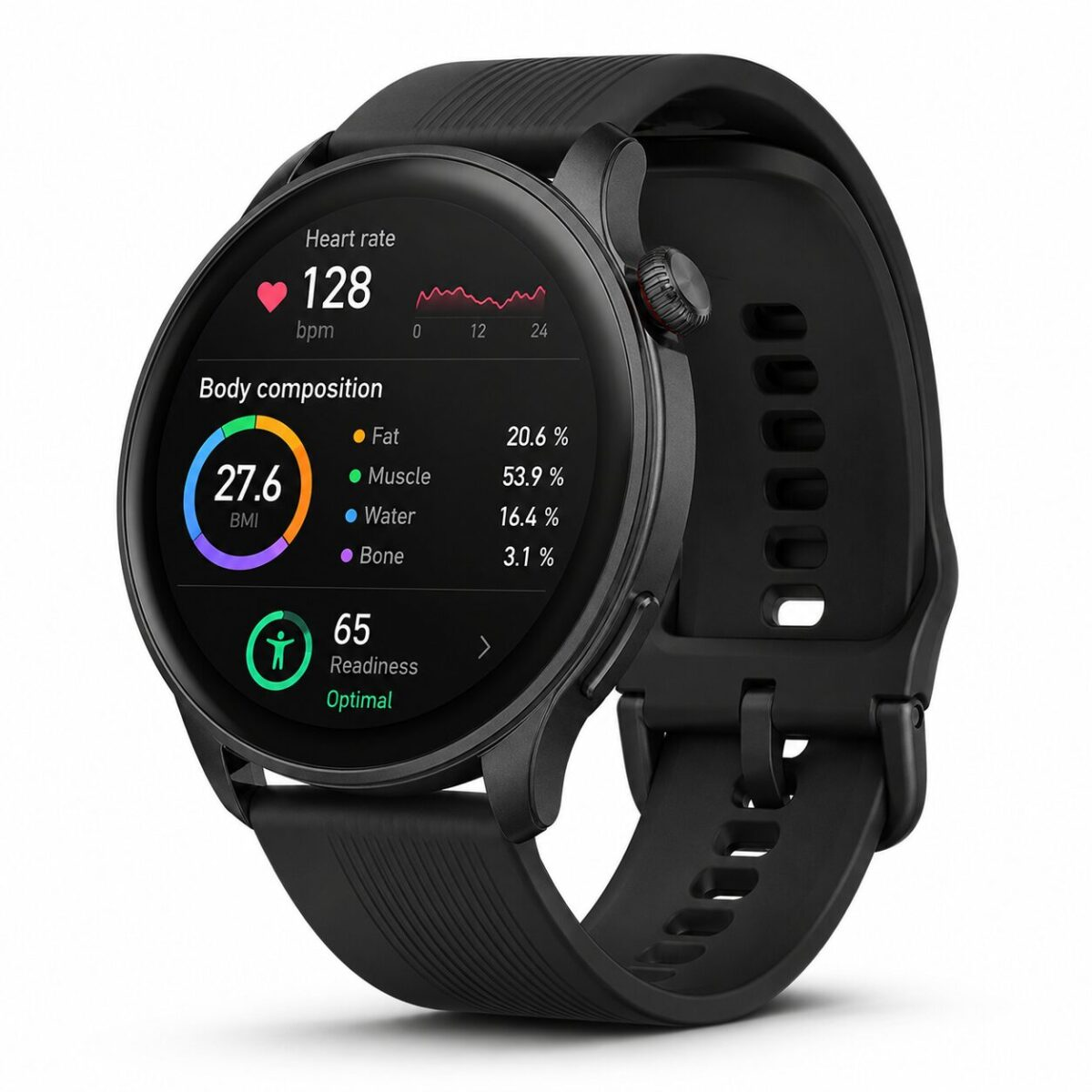
Amazfit Balance
AI powered fitness and recovery smartwatch with body composition, sleep tracking, and 14 day battery life.
~$180
What Makes This Different from Other Budget Watches
Most watches under $200 give you step counts, heart rate, and maybe blood oxygen. The Balance goes further with body composition estimates (bioelectrical impedance through the caseback), a readiness score that actually factors in sleep quality, and Zepp Aura sleep sounds if you’re into that sort of thing.
The AMOLED display is crisp. Like, surprisingly crisp for the price. 1.5 inches, 480×480 resolution, and it gets bright enough to read in direct sunlight without squinting.
Recovery Tracking: The Real Selling Point
Here’s where Amazfit is clearly going after the WHOOP crowd without charging $30 a month for the privilege. The Balance tracks your sleep stages, gives you a morning readiness score, and adjusts workout suggestions based on how recovered you are. Is it as detailed as WHOOP? No. But its about 85% of the way there for a one time purchase.
Sleep tracking gets consistently solid marks from owners. It caught light sleep, deep sleep, and REM phases with reasonable accuracy compared to the Oura Ring 4 I was wearing then again. The HRV readings were consistently within 5 to 8ms of what Oura reported, which is close enough for practical use.
Battery Life Is Legitimately Good
Amazfit claims 14 days. I got about 12 with always on display turned off but continuous heart rate monitoring enabled. Thats still way better than anything from Apple, Samsung, or Google. If you turn off some of the monitoring features you can probably stretch it to the full 14.
What I Didn’t Love
The app ecosystem is limited compared to Wear OS. If you want to install third party watch faces or apps, your options are thin. The Zepp app works fine for what it does but the UI feels a couple years behind Garmin Connect or the Oura app.
Also, the body composition feature is more of a novelty than a serious measurement tool. The numbers it gave me were in the right ballpark but I wouldnt use them for tracking progress over time. A $30 smart scale does this better.
Pros
- ✅ Recovery and readiness tracking at a one time price
- ✅ 12 to 14 day battery life
- ✅ Bright AMOLED display
- ✅ Sleep tracking accuracy rivals pricier wearables
- ✅ Built in GPS for outdoor workouts
Cons
- ❌ Body composition is more gimmick than tool
- ❌ Zepp app UI needs work
- ❌ Limited third party app support
- ❌ No offline Spotify or music storage
Who Should Buy the Amazfit Balance
If you want recovery tracking without a monthly subscription and dont need the Apple or Wear OS app ecosystem, the Balance is one of the better options under $200 right now. Its not going to replace a dedicated recovery tracker like WHOOP for serious athletes, but for anyone who wants sleep and readiness data alongside regular fitness tracking, this hits the mark.
You might also like:
- Best Cold Plunge Tubs Under $500 in 2026
- TENS Unit vs Massage Gun: Which One Should You Actually Buy
- How to Choose a TENS Unit (2026 Buyer’s Guide)