



The Recover StackRecover Stack Editorial Team
Recover Stack Review ProcessIndependently tested & fact-checked
August 2, 2026
Your muscles don’t grow during your workout. They grow during recovery. That’s the uncomfortable truth most people miss when they’re fixated on crushing it in the gym. You can hammer away with perfect form and maximum intensity, but if you don’t recover properly, you’re basically spinning your wheels.
Muscle recovery isn’t a luxury add-on to your training. It’s the other half of the equation. And it’s way more detailed than just “rest and sleep.” There’s a whole science behind what happens to your muscles after you work them, how long it actually takes to bounce back, and which methods actually work versus which ones are marketing hype.
This guide covers what you should know about muscle recovery, the physiology, the timeline, the proven methods, and the tools that can speed up the process.
What Actually Happens to Your Muscles During Exercise
When you exercise, you’re not building muscle. You’re damaging it. Intentionally.
Every rep creates microscopic tears in your muscle fibers, especially during strength training. Your muscles aren’t designed for those movements, they adapt to handle them. The repair process is where growth happens. But here’s what most people get wrong: those tears aren’t a failure. They’re the whole point.
During intense exercise, a few other things happen simultaneously. Your muscles deplete their glycogen stores (muscle energy). Metabolic byproducts accumulate inside your muscle cells. Inflammation starts immediately. Your nervous system gets taxed. Your hormones shift. Basically, exercise is a controlled stress that triggers your body to adapt and build back stronger.
The inflammation part throws people off. Everyone’s heard that inflammation is bad, so they immediately ice everything and pop anti-inflammatories. But post-workout inflammation isn’t the enemy, it’s the signal. Your immune system rushes to those micro-tears and kickstarts the repair cascade. That inflammation, in the right amounts, is necessary for growth.
The Recovery Timeline: What’s Happening Hour by Hour
Recovery isn’t instant. It’s not even a straight line. Different systems in your body recover at different rates.
0-2 Hours (Immediate Recovery)
Your muscles are pumped and depleted. Inflammation is ramping up. Your heart rate is still elevated, and adrenaline is still in your system. This is the window where nutrition matters most. Your muscles are primed to absorb carbs and protein. Blood flow is maximized to the areas you worked. If you’re going to eat post-workout, this is when it’s most effective.
Many athletes use cold therapy in this window to reduce inflammation and swelling. Some use massage guns or foam rolling to flush metabolic waste and improve circulation. The goal is to transition from exercise stress to recovery mode.
4-24 Hours (Active Recovery Phase)
By a few hours post-workout, the acute inflammation is settling, but repair is now in full swing. Your body is synthesizing new proteins, clearing out damaged fibers, and rebuilding. This is when compression therapy can help move fluid and reduce swelling. Light movement (walking, easy cycling, stretching) can actually speed recovery more than complete rest because it maintains blood flow without adding stress.
Soreness usually starts showing up 12-24 hours after your workout. That delayed-onset muscle soreness (DOMS) is just inflammation and the repair process doing its job. It’s not a sign you did something wrong. It’s just uncomfortable.
24-72 Hours (Peak Adaptation)
This is where the real magic happens. Your nervous system is recovering. Muscle protein synthesis is elevated. Hormones are optimizing. If your workout was brutal, soreness peaks around 24-48 hours, then starts subsiding.
By 48 hours, your muscles have mostly recovered their glycogen. By 72 hours, if you trained properly and recovered well, you’re ready to train that muscle group again. But that doesn’t mean you’re fully recovered for systemic fatigue. Your CNS (central nervous system) recovery takes longer. That’s why you can’t just hammer the same muscles every day, even if the muscle itself feels fine, your nervous system is still fatigued.
This is the window where red light therapy can enhance the recovery process, and where quality sleep becomes non-negotiable. Growth hormone peaks during deep sleep, and that’s when a lot of muscle repair happens.
Active vs Passive Recovery: Which One Actually Works
Recovery splits into two camps: active and passive. Most people default to passive recovery (resting), but active recovery can be just as valuable if done right.
Passive Recovery
This is literally rest. Sleep, sitting around, letting your body do its thing. Your body definitely needs this. Sleep is non-negotiable for muscle recovery. Without sleep, your body can’t synthesize proteins efficiently, hormones stay elevated, and your immune system stays activated.
But passive recovery isn’t just sleeping. It’s also about reducing overall stress. Psychological stress improves cortisol, which suppresses muscle growth. So managing your stress, eating enough calories, and giving your body time off is genuinely important.
Active Recovery
Active recovery is light movement that doesn’t create new stress, walking, easy swimming, gentle yoga, slow cycling. The purpose is to maintain blood flow and help your body clear metabolic waste without creating more inflammation.
Studies show active recovery can be more effective than complete rest for reducing soreness and improving performance the next day. But it has to be genuinely light. If your “active recovery” is actually another workout, you’re just adding more stress to an already stressed system.
The Best Approach
Combine them. Get hard training with proper intensity when you train. Then take actual rest days. On those rest days, light movement is fine and can help, but sleeping more, eating well, and managing stress is where the heavy lifting happens. On days between training sessions, gentle movement is good. Complete bed rest is rarely necessary unless you’re injured.
The Best Recovery Methods (With Evidence)
There’s a huge market for recovery tools, and not all of them are equally effective. Here’s what actually works, ranked by evidence and practicality.
Massage and Soft Tissue Work
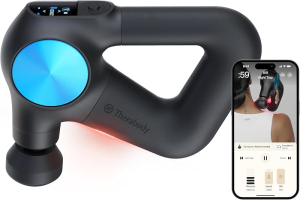
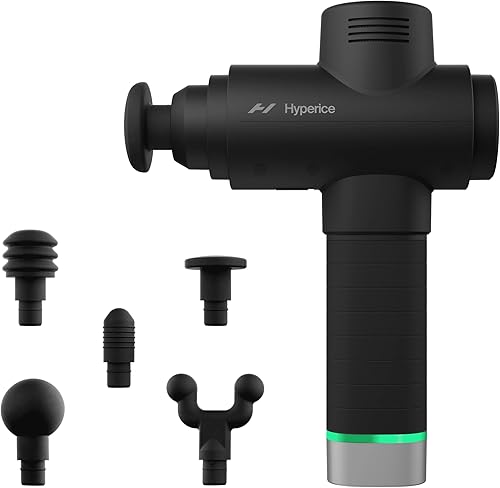
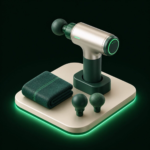
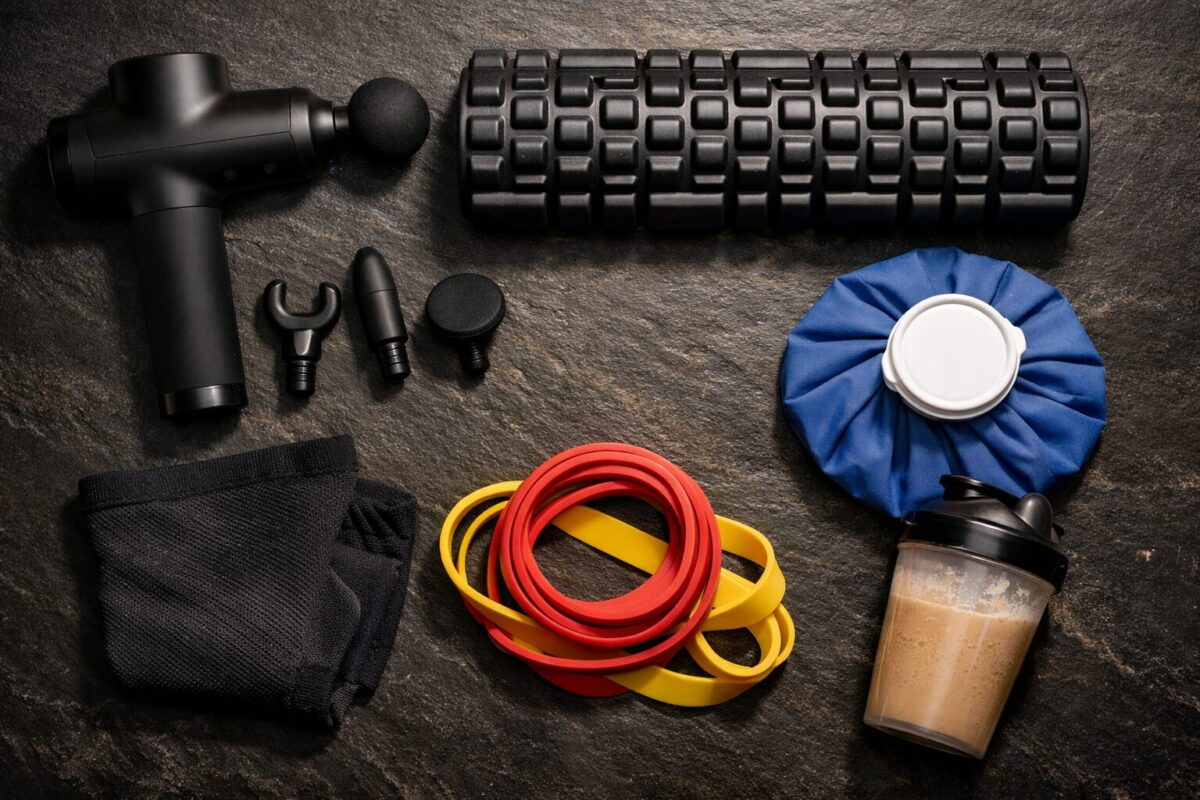
Massage guns have become ubiquitous, and for good reason. They work. Percussion massage reduces soreness, improves flexibility, and feels great. High-quality massage guns like the Hypervolt or Theragun deliver consistent results, though even budget options are surprisingly effective.
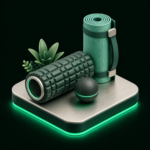
Foam rolling works similarly. Both massage guns and foam rollers improve soreness and flexibility, and research suggests they work better when combined than when used alone. The key is consistency, a few minutes a day beats an occasional deep session.
Cold Therapy and Cryotherapy
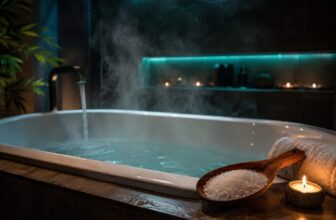
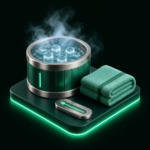
Cold reduces swelling and inflammation. Ice baths, cold plunges, and cold therapy gear all reduce inflammation immediately after intense training. The catch: this is best used for acute inflammation, not chronic soreness. Using cold therapy too much or too long can actually blunt adaptation, your body needs some inflammation to signal growth.
The sweet spot is 10-15 minutes of cold exposure in the first 2-4 hours post-workout, especially if you did high-intensity training. Cold plunge tubs like the Ice Barrel are great if you do regular intense training, but cheaper options like gel ice packs work fine too.
Compression Therapy
Compression improves blood flow and reduces swelling. Compression therapy vs cold therapy is an interesting debate because they work differently. Cold suppresses inflammation. Compression moves fluid and maintains blood flow.
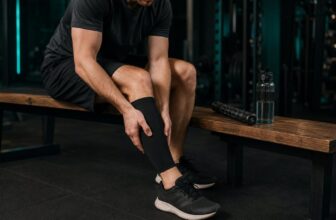
Compression boots like the Normatec system are effective but expensive. Compression socks and sleeves are cheaper and you can wear them all day. Even basic compression gear shows measurable improvements in soreness and recovery speed.
Red Light Therapy
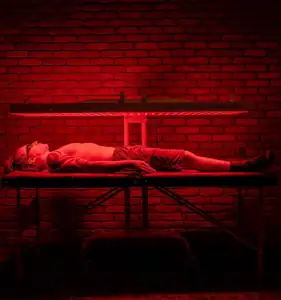
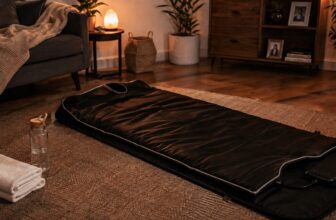
Red light therapy has solid research backing its effectiveness for muscle recovery. The wavelengths (typically 600-700nm red and 800-1000nm near-infrared) penetrate tissue and boost mitochondrial function. This improves energy production and reduces inflammation without blocking the inflammatory signals your body needs.
Home red light panels are becoming more affordable and accessible. Studies show even 10-15 minutes per day can reduce soreness and speed recovery. It won’t replace sleep or nutrition, but it’s a solid addition to a recovery protocol.
Supplements for Recovery
The supplement market for recovery is huge, but most of it is overblown. Here’s what actually matters:
Protein: Your muscles need amino acids to rebuild. You don’t need expensive supplements, regular food works fine. But if you’re training hard and can’t eat enough whole foods, a protein powder is practical.
Creatine: Creatine monohydrate has more research behind it than almost any other supplement. It’s cheap, it works, and it’s safe. Studies consistently show it improves strength, muscle growth, and recovery when combined with training. A typical dose is 3-5 grams daily.
BCAAs and EAAs: Essential amino acids matter, but you don’t necessarily need a supplement. Whole protein sources contain all of them. If you’re training fasted or on a restricted diet, an EAA supplement can help.
Magnesium: Most people are deficient. Magnesium supports muscle relaxation and sleep quality. Quality magnesium supplements can improve recovery and sleep without the side effects of other compounds.
Digestive Enzymes: Your recovery is only as good as your nutrition. Digestive enzymes help you absorb more nutrients from your food, which indirectly supports recovery.
Skip the proprietary blends and miracle powders. Focus on the basics: enough protein, enough calories, sleep, and the supplements with actual research (creatine, magnesium, basic EAAs).
Common Recovery Mistakes (And How to Fix Them)
Using Cold Therapy Too Much
The latest research suggests chronic cold exposure can blunt muscle growth. One ice bath post-workout is fine. Icing everything all the time? That’s counterproductive. Save cold therapy for acute inflammation after hard training sessions.
Not Eating Enough
You can’t recover without calories and protein. Your body is literally building new tissue. If you’re undereating, no supplement or device will fix that. Protein intake should be around 0.7-1g per pound of body weight on training days.
Skipping Sleep
This is non-negotiable. Most muscle growth happens during sleep. Growth hormone peaks during deep sleep. Your immune system recovers during sleep. You can’t optimize your way around poor sleep. Get 7-9 hours.
Overtraining Without Adequate Recovery
You can’t recover from workouts that are too frequent or too intense without adequate support. Your nervous system needs time. If you’re doing high-intensity work, you need adequate rest days. Full-body strength training 3-4 days per week is plenty for most people. Adding more without more recovery just digs you into a hole.
Ignoring Individual Recovery Capacity
Some people recover faster than others due to genetics, age, stress, and overall health. One recovery protocol doesn’t fit everyone. Pay attention to how you feel. If you’re constantly sore and fatigued, you need more recovery. If you’re bouncing back fine, don’t overdo the recovery tools.
Building Your Recovery Protocol
You don’t need everything. Start with the fundamentals and add tools strategically.
The Essentials (Free/Cheap)
Sleep 7-9 hours. Eat enough protein and calories. Stay hydrated. Move lightly on rest days. Manage stress. These alone will put you ahead of 90% of people.
The Smart Additions
Add one or two tools based on your training intensity and budget. A massage gun ($50-300) covers multiple recovery methods. Compression sleeves ($20-50) are portable and effective. Creatine ($10-20 per month) is research-backed and cheap.
The Premium Options
If you’re serious about performance and have the budget, recovery gadgets under $100 can add 5-10% to your results. Red light therapy, compression boots, cold plunge tubs, these all work, but they’re additions to good fundamentals, not replacements.
You Might Also Like
You might also like:
- Best Recovery Tools for Lifters in 2026: 5 Picks for Heavy Leg Days
- Best Recovery Tools for Pickleball Players in 2026
- How to Choose a Red Light Therapy Device (2026 Buyer’s Guide)