


💪 Expert Recovery Gear Reviews

Your Guide to
Faster Recovery

Expert reviews and comparisons of the best recovery products — from massage guns to cold therapy, compression gear, and red light devices.

🏆 #1 Pick
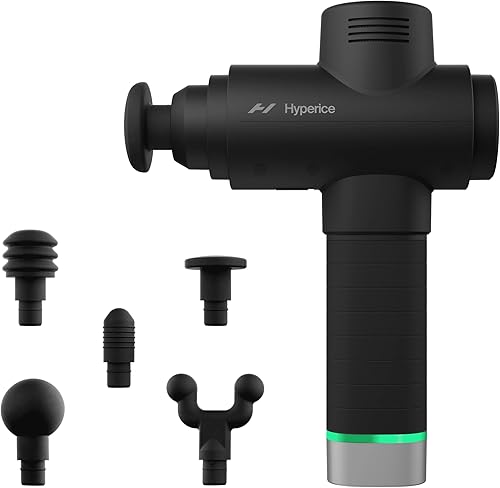
Hyperice Hypervolt 2 Pro

Hyperice Hypervolt 2 Pro

★★★★★ (2,847 reviews)
$329 $399 18% OFF
View Full Review →
🔥 Trending #1 This Week
💪Massage Guns 🦵Compression 🧊Cold Therapy 🧘Foam Rollers 🔴Red Light All Reviews

Every Type of Muscle Recovery Tool Explained: 14 Categories and What to Spend

Written by

The Recover StackRecover Stack Editorial Team

Expert Reviewed

Recover Stack Review ProcessIndependently tested & fact-checked

Updated

April 8, 2026

Muscle recovery tools have exploded in recent years. Your Instagram feed probably shows at least five different devices claiming they’ll speed up your recovery. But what actually works? What’s just marketing? And more importantly, what should you actually spend money on?

We’ve broken down 14 different recovery tool categories. For each one, you’ll get what it actually does, how much you should expect to pay, and who should bother using it.

Quick Comparison Table

Category How It Works Price Range Best For
Massage Guns Rapid percussion to increase blood flow $100–$500+ Athletes and sore muscles
Foam Rollers Manual pressure release via rolling $20–$150 Budget-conscious users
Compression Boots Sequential pneumatic pressure cycles $300–$3,500 Serious athletes
Cold Plunge Tubs Vasoconstriction reduces inflammation $1,500–$10,000+ High-end recovery enthusiasts
Ice Packs Local cooling for acute pain $10–$50 Injury management
Red Light Therapy Panels Wavelengths stimulate cellular energy $200–$1,200 Recovery optimization
Vibrating Rollers Vibration + pressure for muscle stimulation $150–$600 Enhancement to manual rolling
EMS Devices Electrical pulses stimulate muscles $100–$800 Targeted muscle activation
Stretching Aids Assisted flexibility improvements $30–$200 Mobility and flexibility
Percussion Therapy Tools Rapid strikes improve blood flow $80–$400 Deep tissue work
Recovery Supplements Amino acids and nutrients support healing $20–$100/month Systemic recovery support
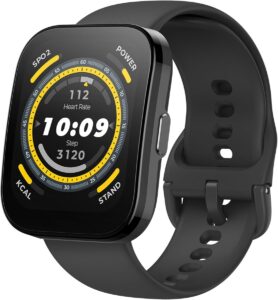
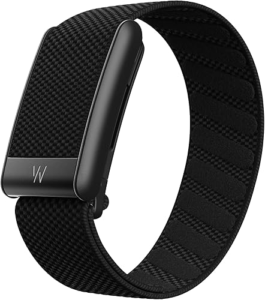
Sleep Trackers Monitor recovery sleep quality $150–$500 Sleep optimization
Compression Sleeves Graduated pressure enhances circulation $40–$150 Portable compression
Infrared Saunas Heat increases blood flow and detoxification $1,000–$6,000 Long-term recovery investment

1. Massage Guns

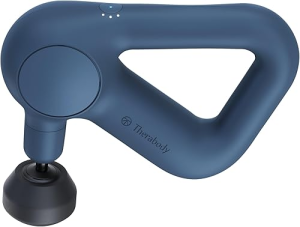
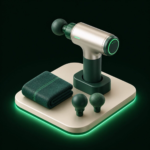
What it is: A handheld device that delivers rapid, repetitive strikes to your muscles. Most guns vibrate 20 to 80 times per second. They’re basically industrial-strength back scratchers that actually do something measurable.

How it works: The rapid percussion increases blood flow to muscle tissue and helps break up adhesions, those knots of tight muscle tissue that form after hard training. The vibration also stimulates your nervous system to relax the muscle, which is why it feels so good. Research shows massage gun use can improve range of motion by up to 8% immediately after use.

Price breakdown:

  • Budget ($100–$200): Hyperice Hypervolt Go, Theragun Elite
  • Mid-range ($200–$350): Theragun Pro, Hyperice Hypervolt 2
  • Premium ($400+): Theragun Pro Plus, Hyperice Hyperice X

Best for: Anyone doing regular strength training or endurance work. Particularly useful if you’re prone to trigger points or have chronically tight muscles.

Product recommendation: If you’re new to massage guns, the Theragun Elite strikes the best balance between cost and capability. It’s got enough power for real work but won’t break the bank.

2. Foam Rollers

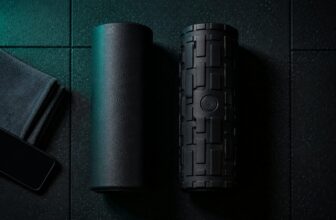
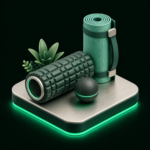
What it is: A simple cylindrical tool (usually 12–36 inches long and 4–6 inches in diameter) that you roll your body weight across to apply pressure to muscles.

How it works: Foam rolling applies sustained pressure to muscle tissue, a technique called self-myofascial release. This pressure helps increase blood flow and reduces fascial tension, the connective tissue around your muscles. Unlike massage guns, foam rolling is slower and more methodical. You’re literally wringing out tension from the muscle. Studies show foam rolling improves flexibility and reduces muscle soreness when done consistently.

Price breakdown:

  • Budget ($20–$40): Basic EVA foam rollers, Amazon basics
  • Mid-range ($50–$80): TriggerPoint Grid, RumbleRoller
  • Premium ($100–$150): Hypersphere Hyperice, Compex Tririg

Best for: Budget-conscious people who want consistent recovery work. Foam rolling takes more effort than a massage gun, but it’s cheaper and doesn’t require batteries.

Product recommendation: The TriggerPoint Grid is the sweet spot. It’s durable, has a decent grid pattern for targeting, and won’t fall apart after a year of use.

3. Compression Boots

What it is: Boots that cover your lower legs and feet (sometimes extending to your hips). They’re connected to an electric pump that inflates and deflates in sequences.

How it works: Compression boots use sequential pneumatic compression, the boots inflate from your toes upward, creating a wave of pressure that mimics the muscle contractions of movement. This “milking” action helps your lymphatic system clear metabolic waste from your muscles and speeds up blood flow recovery. The effect is particularly strong for reducing leg swelling and soreness after intense lower-body work.

Price breakdown:

  • Budget ($300–$600): Hyperice Normatec Go, Air Relax
  • Mid-range ($800–$1,500): Hyperice Normatec 3, Air Relax Pro
  • Premium ($2,000+): Full-body systems, professional-grade units

Best for: Serious athletes doing intense lower-body training or competitive sports. These are overkill for casual gym-goers.

Product recommendation: The Hyperice Normatec 3 is the gold standard if you can afford it. Professional teams use it for a reason, the clinical data backs it up.

4. Cold Plunge Tubs

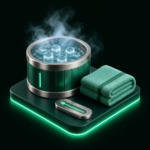
What it is: A bathtub or large container filled with cold water (usually 50–60°F). You get in and sit there for a few minutes while shivering.

How it works: Cold exposure causes vasoconstriction, your blood vessels tighten, reducing blood flow to your extremities and reducing inflammation. When you get out and warm up, vasodilation happens, and fresh, oxygen-rich blood floods back in. This cycle reduces inflammatory markers and can speed recovery from intense training. The cold also activates your sympathetic nervous system, which has some performance benefits if done consistently.

Price breakdown:

  • Budget ($1,500–$2,500): Basic cold tubs, minimal insulation
  • Mid-range ($3,000–$6,000): Fully insulated units with temperature control
  • Premium ($7,000+): High-end models with filtration and automation

Best for: People with space and money who want a legitimate ice bath at home. This is a luxury recovery tool, not a necessity.

Product recommendation: Check out the Plunge or Ice Pod, both offer solid temperature control and insulation without the ultra-premium price tag.

5. Ice Packs

What it is: Simple freezable bags or gel packs you apply directly to a specific area of your body.

How it works: Local cold therapy reduces blood flow to the affected area, which decreases inflammation and pain signals. This is best used immediately after injury or for acute pain management. Unlike cold plunging your entire body, ice packs target one spot.

Price breakdown:

  • Budget ($10–$20): Basic freezable gel packs
  • Mid-range ($20–$40): Reusable packs with better insulation
  • Premium ($40–$50): Specialty wraps designed for specific body parts

Best for: Anyone dealing with acute pain or minor injuries. These are basic and necessary.

Product recommendation: A set of simple reusable gel packs is all you need. Don’t overthink this one.

6. Red Light Therapy Panels

What it is: Panels or devices that emit red and near-infrared light wavelengths (600–1000 nanometers) that you position near your skin.

How it works: Red light wavelengths penetrate your skin and stimulate mitochondrial function, particularly by boosting ATP (cellular energy) production. This can increase muscle protein synthesis, reduce inflammation, and improve recovery at the cellular level. You don’t feel anything happening, but studies show consistent exposure improves muscle recovery and reduces soreness.

Price breakdown:

  • Budget ($200–$400): Small panels, limited wavelengths
  • Mid-range ($500–$800): Full-spectrum panels, larger coverage
  • Premium ($900–$1,200+): Professional-grade panels with multiple wavelengths

Best for: People who want a passive recovery tool that you can use while doing other things. It fits nicely into a daily routine.

Product recommendation: Joov or Mito Red Light make quality panels. They’re expensive, but the clinical data is strong and they last years.

7. Vibrating Rollers

What it is: Like a foam roller, but motorized. It vibrates while you roll, adding another stimulus.

How it works: The vibration adds extra muscle stimulation on top of the pressure from rolling. Vibration therapy activates muscle spindles (sensory receptors) that signal the nervous system to relax the muscle. The combination of sustained pressure plus vibration is more effective than either alone for reducing muscle soreness.

Price breakdown:

  • Budget ($150–$250): Basic vibrating rollers
  • Mid-range ($300–$450): Multiple vibration settings, better build
  • Premium ($500–$600): Pro models with advanced features

Best for: People who already like foam rolling but want more bang for their buck. It’s not a must-have, but it’s better than a standard roller if you use it regularly.

Product recommendation: The Hypersphere Hyperice is the leader here. Good vibration patterns and solid construction.

8. EMS Devices

What it is: Wearable devices or pads that send electrical impulses to your muscles to stimulate contraction without you actually moving.

How it works: Electrical muscle stimulation (EMS) sends electrical pulses that directly activate your muscle fibers. Your muscles contract in response, which increases blood flow, improves strength, and accelerates recovery. EMS is particularly useful for targeting specific muscles or for people with limited mobility.

Price breakdown:

  • Budget ($100–$250): Basic TENS/EMS units
  • Mid-range ($300–$500): Wearable EMS devices
  • Premium ($600–$800): Advanced multi-channel systems

Best for: Athletes wanting targeted muscle activation or people recovering from injury who need to engage muscles without movement.

Product recommendation: Compex is the gold standard for EMS. Professional athletes use Compex for a reason.

9. Stretching Aids

What it is: Tools designed to help you stretch deeper or hold positions better, things like yoga straps, stretching bands, and strap-assisted stretching devices.

How it works: These tools apply consistent, controlled use to improve your range of motion. Unlike active stretching (where you do it yourself), assisted stretching tools help you go deeper without overstretching or injuring yourself. Regular stretching increases blood flow to muscles, improves flexibility, and reduces tension.

Price breakdown:

  • Budget ($30–$60): Basic yoga straps and bands
  • Mid-range ($80–$140): Specialized stretching tools
  • Premium ($150–$200): Advanced flexibility devices

Best for: Anyone with mobility issues or those looking to improve flexibility alongside strength work.

Product recommendation: A simple stretching strap works great. The Chirp Wheel is also solid for back mobility.

10. Percussion Therapy Tools

What it is: Similar to massage guns but often designed for deeper penetration or specific body areas. Examples include Theragun, Vyper, and specialized percussion devices.

How it works: Like massage guns, percussion therapy uses rapid strikes to increase blood flow and break up muscle tension. The difference is often in the amplitude (how deep the vibration goes) and the stroke length. Some percussion tools are designed for extremely deep tissue work.

Price breakdown:

  • Budget ($80–$150): Basic percussion devices
  • Mid-range ($200–$300): Mid-tier massage/percussion guns
  • Premium ($350–$400+): High-end percussion tools

Best for: People who need deeper, more aggressive muscle work than a standard massage gun provides.

Product recommendation: Theragun Pro is the most trusted brand. You can’t really go wrong.

11. Recovery Supplements

What it is: Powders, drinks, or pills containing amino acids (BCAAs, leucine), protein, creatine, or other compounds designed to support muscle recovery and growth.

How it works: Recovery supplements provide your muscles with the building blocks they need to repair damage from training. Protein supplies amino acids, creatine improves ATP regeneration, and carbohydrates replenish glycogen. Taken post-workout, these compounds accelerate protein synthesis and reduce soreness.

Price breakdown:

  • Budget ($20–$40/month): Basic whey protein powder
  • Mid-range ($50–$80/month): Higher-quality protein, added carbs
  • Premium ($80–$100+/month): Full-spectrum recovery formulas

Best for: Anyone doing regular strength training. This is the most evidence-backed recovery tool on this list.

Product recommendation: Plain whey protein isolate is boring but effective. If you want all-in-one products, Isagenix or RXBAR make solid options.

12. Sleep Trackers

What it is: Wearable devices or bedside sensors that monitor your sleep quality, duration, and stages.

How it works: Sleep trackers monitor your heart rate variability (HRV), movement, and other markers to determine how much deep sleep and REM sleep you’re getting. Most athletes don’t sleep enough, and sleep is where most of your recovery actually happens. Tracking your sleep helps you optimize it.

Price breakdown:

  • Budget ($150–$250): Basic wearable trackers
  • Mid-range ($300–$400): Advanced wearables with detailed analytics
  • Premium ($400–$500+): Professional-grade sleep systems

Best for: Serious athletes who need detailed recovery data. If you just need to sleep more, a cheaper tracker works fine.

Product recommendation: Oura Ring is the gold standard for sleep tracking. It’s pricey but incredibly accurate.

13. Compression Sleeves

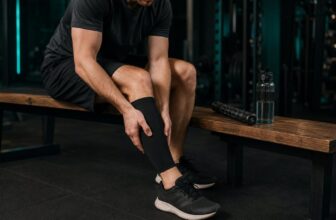
What it is: Tight elastic sleeves worn on your arms or legs that apply graduated pressure to improve circulation.

How it works: Compression sleeves use graduated pressure (tighter at the limb, looser higher up) to push blood and lymph back toward your heart. This enhances circulation and helps clear metabolic waste from tired muscles. Wear them during or after training for better blood flow.

Price breakdown:

  • Budget ($40–$70): Basic compression sleeves
  • Mid-range ($80–$120): Higher-quality materials, better compression
  • Premium ($130–$150): Premium fabrics and graduated pressure

Best for: Athletes wanting portable recovery support. Compression sleeves are convenient because you can wear them anywhere.

Product recommendation: 2XU compression sleeves are the most trusted. They’ve been around forever and still outperform most competitors.

14. Infrared Saunas

What it is: A sauna that uses infrared heat (rather than traditional dry heat) to warm your body. Temperature usually runs 130–150°F.

How it works: Infrared heat penetrates your skin more deeply than traditional saunas, raising your core body temperature and causing vasodilation, your blood vessels expand. This increases blood flow to your muscles and tissues, speeding up nutrient delivery and waste removal. Regular sauna use also triggers heat shock proteins, which help your body adapt to stress and improve recovery.

Price breakdown:

  • Budget ($1,000–$2,000): Basic home sauna kits
  • Mid-range ($2,500–$4,000): Better insulation and controls
  • Premium ($5,000–$6,000+): High-end home saunas

Best for: People with space and budget who want a long-term recovery investment. You’ll use this regularly if you get it.

Product recommendation: HigherDOSE or LifeStyle Delivery Systems make quality infrared saunas. They’re expensive but built to last.

FAQ: Recovery Tools

Q: Do I actually need all of these things?

No. If you’re just starting, focus on three things: sleep, protein, and stretching. Those are free or cheap and backed by tons of research. Add massage guns or foam rolling next. The expensive stuff (cold plunge, infrared sauna, compression boots) is for people serious about optimization.

Q: What’s the best single recovery tool to start with?

Foam roller or massage gun, depending on budget. A decent foam roller costs $50 and lasts years. A massage gun runs $150–$300 and is more convenient. Both work, it’s a matter of preference.

Q: Does cold plunging actually work?

Yes, but not the way most people think. Cold plunges reduce inflammation short-term, but chronic inflammation reduction might actually slow down muscle growth (inflammation is part of the adaptation process). Use cold plunges for recovery between hard workouts, not every day.

Q: How often should I use these tools?

Foam rolling and massage guns: 2–3 times per week for 5–10 minutes. Cold plunges: once or twice per week for 2–3 minutes. Red light therapy: daily if you have access. Sleep tracking: every night. Stretching aids: daily or every other day. Recovery supplements: post-workout. Compression sleeves: during or after training.

We will be happy to hear your thoughts

Leave a reply

script> script> noscript>
Recover Stack
Logo
Compare items
  • Total (0)
Compare
0