



You just crushed a workout. Your muscles are pumped, your heart rate is coming down, and you feel great. But what you do in the next 24 hours matters just as much as the workout itself. Recovery isn’t passive, it’s an active process that determines how quickly you bounce back, how much strength you gain, and if you’ll be ready for your next session.
Here’s a science-backed timeline of exactly what to do after your workout to get the most out of recovery and minimize soreness.
0–15 Minutes Post-Workout: The Cool-Down Window
The moment you finish your last set, your body shifts from performance mode to repair mode. This is when you should focus on bringing your heart rate down gradually rather than just stopping cold.
What to do:
- Light walking or cycling for 5–10 minutes helps clear lactic acid from your muscles faster than sitting down immediately
- Static stretching while your muscles are warm improves flexibility and reduces post-exercise stiffness, hold each stretch for 20–30 seconds
- Deep breathing activates your parasympathetic nervous system, shifting your body into recovery mode
Skip the ice bath at this point. Research published in the Journal of Physiology shows that immediate cold exposure can actually blunt the inflammatory response your body needs to start the muscle-building process.
15–60 Minutes: The Nutrition Window
The old “anabolic window” myth suggested you had exactly 30 minutes to eat or lose all your gains. That’s been largely debunked, but there’s still real science behind eating within the first hour after training.
What to do:
- Protein: Aim for 20–40 grams of high-quality protein. Whey protein is fastest-absorbing, but any complete protein source works. This provides the amino acids your muscles need to begin repair.
- Carbohydrates: Include 30–60 grams of carbs to replenish glycogen stores. This is especially important if you’ll be training again within 24 hours.
- Hydration: Drink 16–24 oz of water for every pound of body weight lost during exercise. Adding electrolytes helps if you were sweating heavily.
A solid post-workout meal might look like a protein shake with a banana, or chicken with rice and vegetables. The key is getting protein and carbs in, don’t overthink it.
1–4 Hours: Active Recovery Begins
This is when your body’s inflammatory response kicks into high gear. Your muscles are swelling slightly, white blood cells are rushing to damaged tissue, and the repair process is underway. This inflammation is actually a good thing, it’s your body’s natural healing mechanism.
What to do:
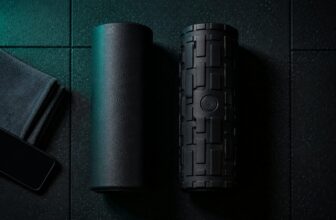
- Foam rolling for 10–15 minutes can reduce delayed-onset muscle soreness (DOMS) by up to 30%, according to research in the International Journal of Sports Physical Therapy. Focus on the muscle groups you trained. Check out our foam roller reviews for the best options.
- Light movement, a gentle walk, easy yoga, or mobility work keeps blood flowing to damaged muscles without adding stress
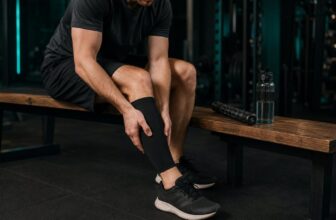
- Compression garments can help reduce swelling and improve blood flow. See our compression gear roundups for recommendations.
4–8 Hours: The Inflammation Peak
Muscle soreness typically starts ramping up 4–8 hours after intense exercise. This is normal and expected, especially after eccentric-heavy movements like squats, deadlifts, or downhill running.
What to do:
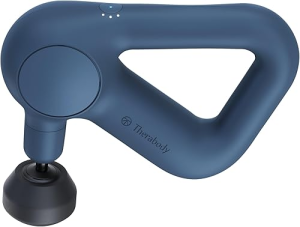
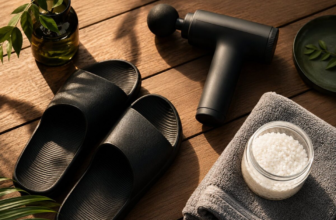
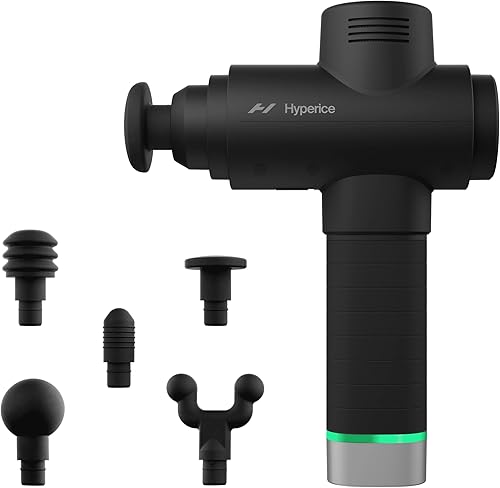
- Percussion therapy with a massage gun can break up muscle tension and increase blood flow to sore areas. Use it for 1–2 minutes per muscle group on a medium setting.
- Stay hydrated, dehydration amplifies soreness and slows recovery
- Consider anti-inflammatory foods like tart cherry juice, turmeric, and omega-3 fatty acids rather than reaching for NSAIDs, which can actually impair muscle repair when used regularly
8–12 Hours: Prepare for Sleep
Sleep is the single most powerful recovery tool you have. During deep sleep, your body releases up to 75% of its daily growth hormone, the primary driver of muscle repair and growth. Skimp on sleep after a hard workout and you’re leaving recovery on the table.
What to do:
- Aim for 7–9 hours of quality sleep. Athletes and serious lifters may benefit from even more.
- Cold therapy window: If you want to use an ice bath or cold plunge, this is a better time than immediately post-workout. The cold can help reduce inflammation and improve sleep quality without interfering with the initial muscle-building response.
- Magnesium supplementation before bed can improve sleep quality and reduce muscle cramps, 200–400mg of magnesium glycinate is a solid dose
- Keep your bedroom cool (65–68°F) for best sleep quality and recovery hormone production
12–24 Hours: Adaptation and Rebuilding
By now, your body is deep into the repair and adaptation phase. The muscle fibers that were damaged during training are being rebuilt stronger and more resilient. This is where the actual gains happen, not during the workout itself.
What to do:
- Active recovery, light cardio, walking, swimming, or yoga for 20–30 minutes increases blood flow and can reduce DOMS by promoting nutrient delivery to damaged tissues
- Continue eating well, maintain adequate protein intake (0.7–1g per pound of bodyweight daily) and don’t restrict calories too aggressively on rest days
- Red light therapy at this stage can accelerate muscle recovery by stimulating cellular energy production (ATP synthesis) and reducing oxidative stress. See our red light therapy reviews for options at every price point.
- Contrast therapy, alternating between hot and cold (like a hot shower followed by cold exposure) can improve circulation and speed recovery
Recovery Mistakes to Avoid
Even with the right timeline, these common mistakes can sabotage your recovery:
- Training the same muscles too soon, most muscle groups need 48–72 hours between intense sessions
- Relying on NSAIDs, ibuprofen and other anti-inflammatories can reduce muscle protein synthesis when used chronically after exercise
- Skipping sleep, no supplement, gadget, or recovery tool can replace quality sleep
- Ignoring nutrition, you can’t out-recover a poor diet
- Too much too soon, aggressive stretching or deep tissue work on acutely inflamed muscles can cause more damage
The Bottom Line
Recovery is a 24-hour process, not a 30-minute window. By following this timeline, cool down, eat, foam roll, sleep well, and stay active, you’ll bounce back faster, feel less sore, and be ready to perform at your best for your next workout.
The best recovery protocol combines multiple approaches at the right times. Browse our recovery science articles and product reviews to build a recovery toolkit that works for your training style and budget.
Disclosure: Some links in this article are affiliate links. We may earn a commission at no extra cost to you.