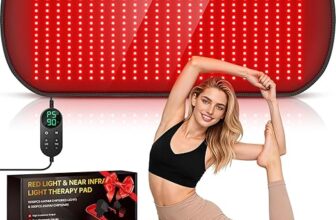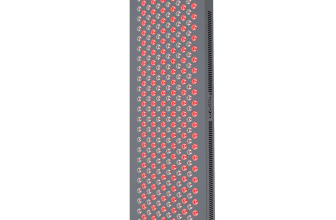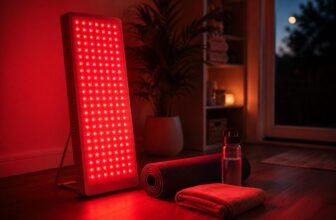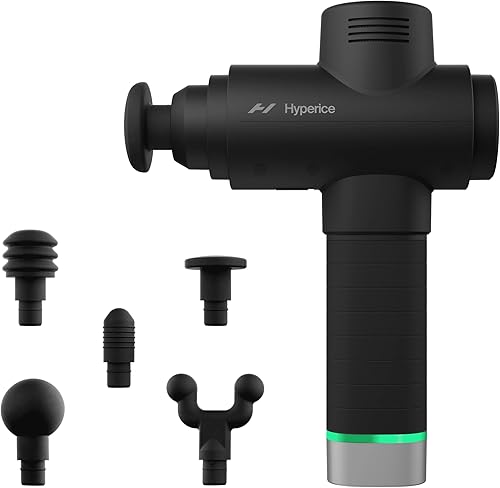



 The Recover Stack
 In-Depth Review
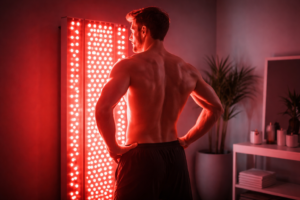
Red light therapy — also called photobiomodulation — uses specific wavelengths of red (630 to 660nm) and near-infrared (810 to 850nm) light to stimulate cellular energy production. The proposed mechanism is straightforward: photons are absorbed by cytochrome c oxidase in your mitochondria, boosting ATP production and reducing oxidative stress. But does the science actually support the marketing claims? We dug into the research.
⚡ Quick Comparison: Best Red Light Therapy Devices 2026
Who Is This For?
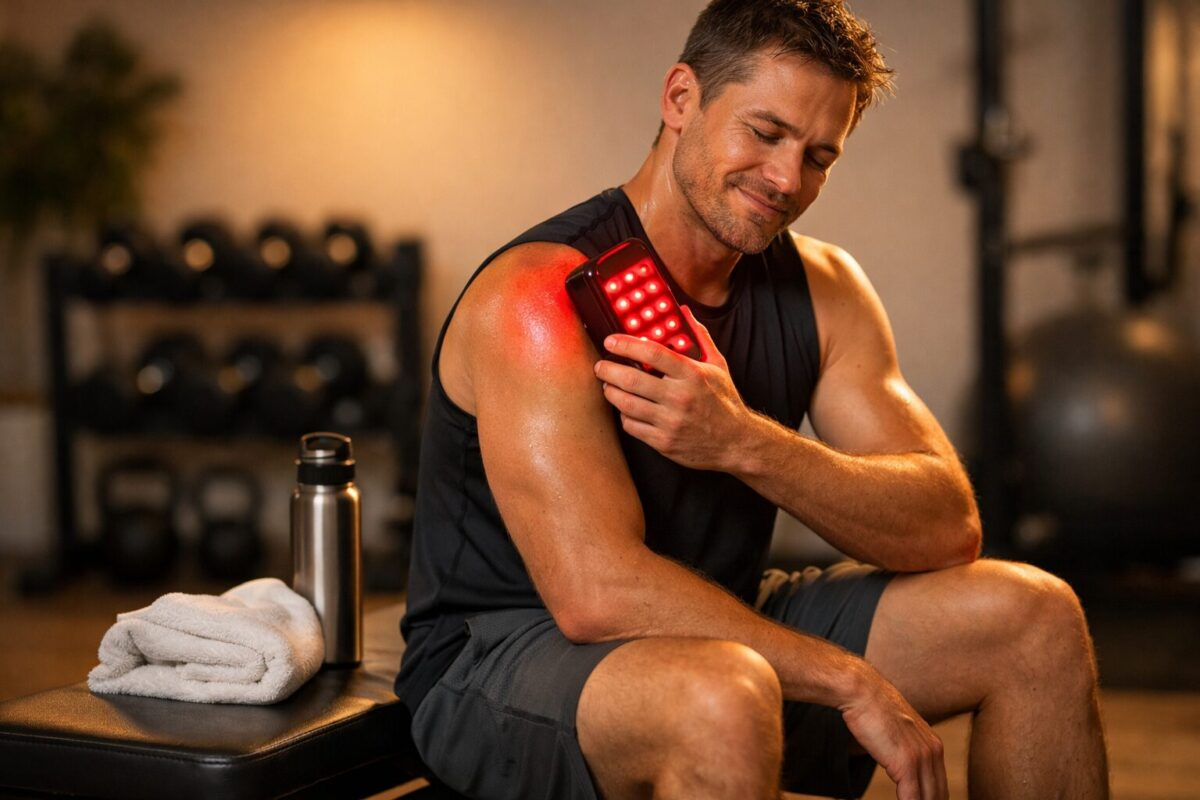
Red light therapy makes the most sense if you train hard and recover slow, deal with nagging joint or tendon stuff, or you are just curious whether the hype holds up. Athletes use it after sessions to take the edge off soreness. Older lifters like it for stiff knees and elbows. If your skin takes forever to settle after a brutal workout you might notice a difference too. That said its not magic, and people expecting an overnight fix usually walk away let down.
So Does It Actually Work?
Short answer, mostly yes for a couple of things and not really for the rest. The research on muscle recovery and soreness is decent. Several controlled studies found red and near infrared light can lower markers of muscle damage and ease that next day soreness when you use it around training. Wavelength matters here. 660nm works the skin and surface tissue while 810 to 850nm reaches deeper into muscle, which is why the good panels run both.
Where it gets shaky is the bigger claims. Fat loss, healing up old injuries, all that. Evidence there is thin and a chunk of it comes straight from the companies selling the panels. So take the marketing with a grain of salt.
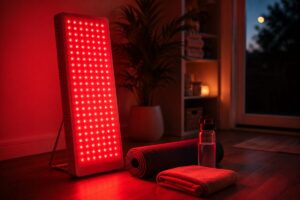
Consistency is the part most people get wrong. A few minutes a day, a few times a week, stretched over weeks, thats what showed up in the studies that found anything at all. One long session once in a blue moon does basically nothing. Distance counts too. Sit too far back and the dose falls off fast, so you want to be within 6 to 12 inches of most home panels.
Final Verdict
If you recover slow and you will actually use it a few times a week, a quality panel earns its spot. The Joovv is overkill for most people at that price. The MitoRED gives you the same core wavelengths for a fraction of the cost, so thats where I would start. Just dont expect miracles in week one.
Check Price on AmazonYou might also like:
- Comfytemp Red Light Therapy Belt Review: 126 LEDs for Under $36
- Hooga ULTRA360 Red Light Therapy Panel Review: Quad Chip LEDs at a Fair Price
- 16-LED Red Light Therapy Panel Review: Six Wavelengths for Under $80
Browse all Red Light Therapy >