Vibrating Foam Roller vs Regular Foam Roller: What the Extra Money Buys

Disclosure: Some links in this article are affiliate links. We may earn a commission at no extra cost to you.
Somewhere along the way foam rollers got batteries, and the price tripled. The pitch is that vibration loosens tissue faster and makes rolling hurt less. Some of that holds up. Some of it is a motor in a foam tube. This comparison runs on published research, product specs, and owner reviews across both categories, so you can decide if the upgrade is worth 2 to 4 times the money.
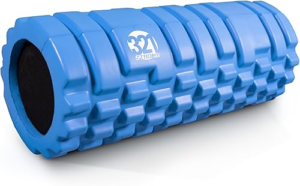
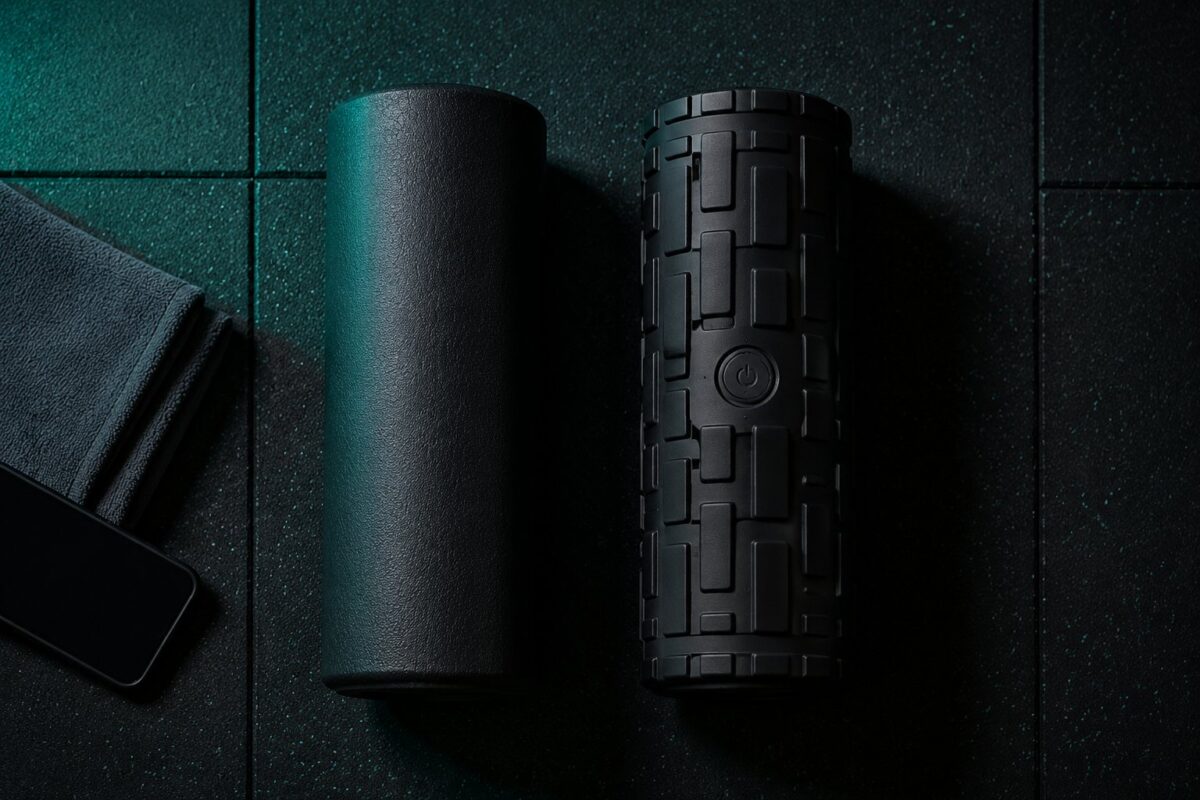
Regular Roller
Vibrating Roller
| Feature | Regular | Vibrating |
|---|---|---|
| Price | ~$25 to $35 | ~$50 to $150 |
| Short term range of motion | Improves it | Small edge in some studies |
| Comfort under pressure | You feel everything | Vibration dulls the ouch |
| Noise | Silent | Audible, apartment neighbors will know |
| Battery and lifespan | Nothing to charge or break | 2 to 4 hrs per charge, motor is a failure point |
| Travel | Toss it in a bag | Heavier, TSA asks questions |
What the Research Actually Shows
Studies on vibrating rollers are small and short, worth saying plainly. The pattern across them: both roller types improve range of motion for an hour or so after use, vibration sometimes edges out regular rolling on pain pressure threshold, meaning the same pressure hurts less. Nobody has shown vibration recovers muscle faster in any way that survives a bigger study. So the honest framing is comfort feature, not recovery multiplier.
That comfort has real value for one group. People with sensitive tissue who bail on rolling because it hurts. A tool you use beats a cheaper one you avoid. If thats not you, the math gets hard to justify, thats basically it.
Regular Foam Roller, Pros & Cons
What We Liked
- A GRID style roller survives years of daily abuse, owners report the same one outliving three gym memberships
- Firmness options from soft to rebar, easy to match your tolerance
Worth Knowing
- Deep pressure on quads and IT band area genuinely hurts at first
- Boring, and boring tools get skipped
Vibrating Foam Roller, Pros & Cons
What We Liked
- Same session feels noticeably easier on tender spots, which keeps people consistent
- Doubles as a big massage tool for your upper back against a wall
Worth Knowing
- When the battery or motor quits, you own a heavy regular roller
- Cheap ones buzz your hands numb before your legs feel anything, reviews flag this constantly under $60
The Bottom Line
Buy the regular roller first. If you use it consistently for a month and want deeper work without deeper pain, the vibrating upgrade earns its price. If your regular roller is collecting dust, a motor wont fix that. Our foam roller buyer’s guide breaks down density and texture, and the foam roller section has every model we’ve covered.
You might also like:
- Lacrosse Ball vs Foam Roller: Which Cheap Recovery Tool First
- Chirp Wheel Alternatives in 2026: 5 Back Rollers That Cost Less
- Foam Roller vs Massage Gun: Where Your Money Goes Further
Browse all Foam Rollers & Mobility >