





With dozens of massage guns on the market ranging from $30 to $600+, finding the right one can feel overwhelming. This buyer’s guide breaks down what you should know before making a purchase — from stall force and amplitude to battery life and noise levels — so you can invest in the perfect recovery tool for your needs.
What Is a Massage Gun and How Does It Work?
A massage gun (also called a percussion massager) delivers rapid bursts of pressure into your muscle tissue through a process called percussive therapy. The motor drives an attachment head back and forth at high speeds — typically 1,800 to 3,200 percussions per minute — creating deep vibrations that penetrate up to 60% deeper than standard foam rolling. This process increases blood flow, reduces muscle tension, breaks up knots, and accelerates recovery after intense workouts.
Key Features to Consider
1. Stall Force
Stall force measures how much pressure you can apply before the motor stalls out. For casual users, 30-40 lbs of stall force is plenty. Athletes and larger individuals should look for 50+ lbs. Premium devices like the Theragun PRO Plus offer up to 60 lbs of stall force, making them suitable for deep tissue work on dense muscle groups like quads and glutes.
2. Amplitude (Stroke Length)
Amplitude refers to how far the massage head travels with each percussion. Higher amplitude (14-16mm) means deeper tissue penetration. Budget models typically offer 10-12mm amplitude, which works fine for general relaxation but may not provide enough depth for serious athletes. Most mid-range and premium guns sit in the 12-16mm sweet spot.
3. Speed Settings and RPM Range
Look for at least 3-5 speed settings so you can adjust intensity based on the muscle group and your sensitivity level. Most quality massage guns offer a range from about 1,800 RPM (gentle warm-up) to 3,200 RPM (deep tissue work). Some premium models include smart sensors that automatically adjust speed based on the pressure you’re applying.
4. Battery Life
Battery life varies dramatically — from 90 minutes on some budget models to 8+ hours on the Ekrin B37. If you travel frequently or share the device with family members, prioritize longer battery life (240+ minutes). Most sessions last 10-15 minutes, so even a 2-hour battery will last several days between charges for most users.
5. Noise Level
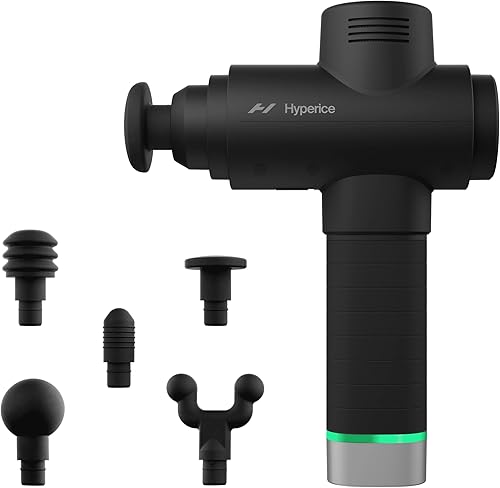
Noise levels range from around 35 dB (whisper-quiet) to 70+ dB (as loud as a vacuum cleaner). If you plan to use your massage gun while watching TV, in a shared space, or at the gym, aim for models under 55 dB. Brands like Therabody and Hyperice have invested heavily in noise reduction technology in their latest models.
6. Attachment Heads
Most massage guns come with 4-6 attachment heads designed for different purposes. The essentials are: a ball head (large muscle groups), a flat head (general use), a bullet/cone head (trigger points), and a fork head (spine and Achilles). Premium models may include heated or cooling attachments for enhanced therapy.
Budget Breakdown: What to Expect at Each Price Point
Under $50 (Budget): Adequate for casual use. Expect lower stall force (20-30 lbs), shorter battery life, louder operation, and basic plastic attachments. Great starter option if you’re new to percussion therapy. Our pick: TOLOCO Massage Gun.
$100-$300 (Mid-Range): The sweet spot for most users. You’ll get solid stall force (40-56 lbs), longer battery life, quieter motors, and better build quality. Ideal for regular exercisers and weekend athletes. Our pick: Ekrin Athletics B37.
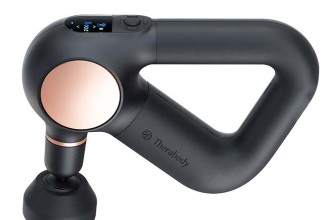
$300-$600 (Premium): Professional-grade features including smart connectivity, app integration, ultra-quiet motors, swappable batteries, and premium materials. Best for serious athletes, physical therapists, and fitness professionals. Our pick: Theragun PRO Plus.
Who Should (and Shouldn’t) Buy a Massage Gun?
Great for: Athletes, gym-goers, people with desk jobs (neck and shoulder tension), runners (IT band and calf recovery), CrossFit enthusiasts, and anyone who regularly experiences muscle soreness or tightness.
Not recommended for: People with blood clotting disorders, those on blood thinners, pregnant women (without doctor approval), areas with fractures or sprains, or directly over bones, joints, or nerves. Always consult your doctor if you have an existing medical condition.
Our Top Recommendations
Based on our extensive testing, here are our top picks for every budget and use case. Check out our detailed Best Massage Guns for Recovery roundup for full reviews, comparison charts, and performance data on each model.