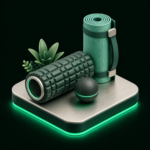



Exercise Recovery Timeline — How Long to Recover by Workout Type
Exercise Recovery Timeline Guide 2026
How long you actually need to recover between workouts
Recovery Isn’t Optional
Your muscles don’t grow during the workout—they grow during recovery. Training hard is only half the equation. The other half is giving your body enough time to adapt and strengthen.
Here’s what you actually need to know about recovery for each exercise type, based on how your body responds to different kinds of stress.
Weightlifting
Recovery Timeline
- 24-48 hours: Muscle soreness peaks
- 48 hours: Protein synthesis elevated
- 72 hours: Muscle fibers fully repaired
- Beyond: Ready for same muscle group again
Best Recovery Tools
- Sleep (8-9 hours nightly)
- Foam rolling (10-15 min post-workout)
- Light stretching
- Massage (if available)
- Cold water immersion (optional)
Nutrition for Recovery
Post-workout: Protein (25-40g) and carbs (40-80g) within 1-2 hours. Daily: 0.7-1g protein per lb of bodyweight. Stay hydrated—muscles need water to repair.
Running
Recovery Timeline
- 2-6 hours: Glycogen replenishment window
- 24 hours: Most acute fatigue resolved
- 48 hours: Aerobic system fully recovered
- Beyond: Ready for hard run again
Best Recovery Tools
- Easy jog or walk the next day
- Proper sleep (prioritize this)
- Ice bath (controversial but popular)
- Compression gear
- Cross-training on recovery days
Nutrition for Recovery
Post-run: Carbs (1-1.2g per kg bodyweight) within 30 minutes for glycogen reload. Daily: Balanced carbs, protein, and fat. Runners need more carbs than strength athletes.
HIIT (High Intensity Interval Training)
Recovery Timeline
- 2-4 hours: Lactate clears from bloodstream
- 24 hours: CNS (nervous system) recovers
- 48 hours: Glycogen stores replenished
- 72 hours: Full recovery for repeat
Best Recovery Tools
- Active recovery (light walk or swim)
- Sleep is critical (more than strength)
- Foam rolling for soreness
- Sauna (aids recovery)
- Avoid back-to-back HIIT days
Nutrition for Recovery
Post-HIIT: Fast carbs and protein (25g) within 30 min. HIIT drains glycogen hard. Daily: Eat more total calories on HIIT days. Your body works overtime to recover from this intensity.
CrossFit
Recovery Timeline
- 24 hours: Muscle soreness peaks (DOMS)
- 48 hours: Joint and connective tissue recovery
- 72 hours: Nervous system fully recovered
- Beyond: Ready for next heavy session
Best Recovery Tools
- Sleep (9+ hours when possible)
- Mobility work (daily, not optional)
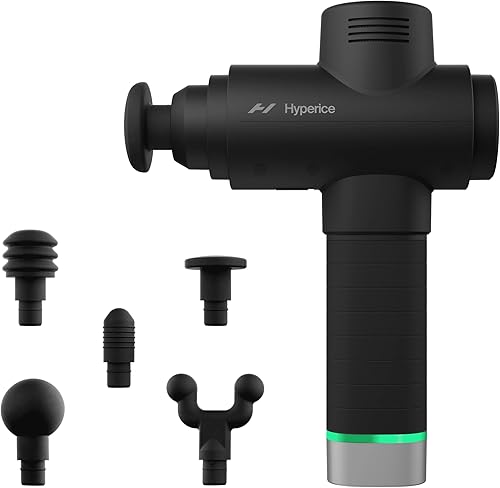
- Soft tissue work (massage gun)
- Joint care (fish oil, collagen)
- Scale down 1 day per week minimum
Nutrition for Recovery
Post-WOD: 40-50g protein and carbs within 45 min. CrossFit combines strength, power, and conditioning. Your body needs aggressive nutrition. Daily: Higher protein intake (1g+ per lb). Don’t skimp on calories.
Swimming
Recovery Timeline
- 2-4 hours: Immediate fatigue passes
- 24 hours: Muscle soreness minimal
- 48 hours: Full aerobic recovery
- Beyond: Ready for next session
Best Recovery Tools
- Dry sauna or hot tub (10-15 min)
- Static stretching post-swim
- Adequate hydration (swim dehydrates)
- Sleep (7-8 hours)
- Easy recovery swim next day if desired
Nutrition for Recovery
Post-swim: Carbs and protein (3:1 ratio) within 30 min. Daily: Swimming is lower impact but very demanding. Don’t undereat. Electrolytes matter more with swimming due to sweat loss.
Cycling
Recovery Timeline
- 2-4 hours: Glycogen window open
- 24 hours: Aerobic system recovered
- 48 hours: Full muscular recovery
- Beyond: Ready for intense ride again
Best Recovery Tools
- Easy spin or recovery ride
- Massage (quads and hips)
- Sleep (prioritize as with running)
- Foam rolling (especially IT band)
- Stretching (hip flexors get tight)
Nutrition for Recovery
Post-ride: Carbs within 30 min, then protein. Cycling is aerobic. You need glycogen replacement fast. Daily: Carb-based diet. Cyclists eat more carbs than strength athletes. Stay hydrated (cycling dehydrates you more than you think).
Quick Recovery Reference Card
Minimum Recovery
Weightlifting: 48-72 hours per muscle
HIIT/CrossFit: 48-72 hours
Running/Cycling/Swimming: 24-48 hours
Sleep Priority
Minimum: 7-8 hours
Ideal after hard training: 8-9 hours
Most critical recovery tool you have
Post-Workout Window
Carbs: Within 30-60 min
Protein: Within 1-2 hours
Sooner is always better
Active Recovery
Light movement 20-30 min
60-70% max heart rate
Walking, easy swim, or slow cycle
Protein Intake
Daily: 0.7-1g per lb bodyweight
Minimum: 25-40g per meal
Spread across 3-4 meals
What to Avoid
Back-to-back hard days
Training on 5-6 hours of sleep
Ignoring persistent soreness