


Recovery isn’t only about sitting on the couch after a workout. Science has identified specific protocols that measurably speed up muscle repair, reduce soreness, and improve performance. Here’s what the research supports, and what’s marketing hype.
The First 2 Hours: Nutrition Window
Research from the Journal of the International Society of Sports Nutrition shows that consuming 20-40g of protein within 2 hours post-workout optimizes muscle protein synthesis. Pair it with carbohydrates at a 3:1 ratio for glycogen replenishment.
Active Recovery: Move to Recover Faster
Light movement at 30-60% of max heart rate increases blood flow without adding training stress. A meta-analysis in Sports Medicine found that active recovery reduces blood lactate faster and noticeably decreases perceived muscle soreness 24-48 hours post-exercise.
Cold Exposure: The Cold Hard Truth
Cold water immersion (50-59°F for 10-15 minutes) effectively reduces inflammation and soreness. However, chronic cold exposure after strength training may blunt muscle growth. Best approach: use cold therapy after intense cardio or competition, skip it after hypertrophy sessions.
Percussion Therapy & Compression
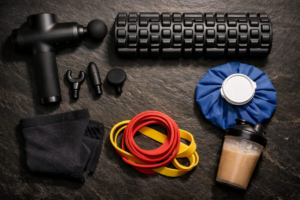
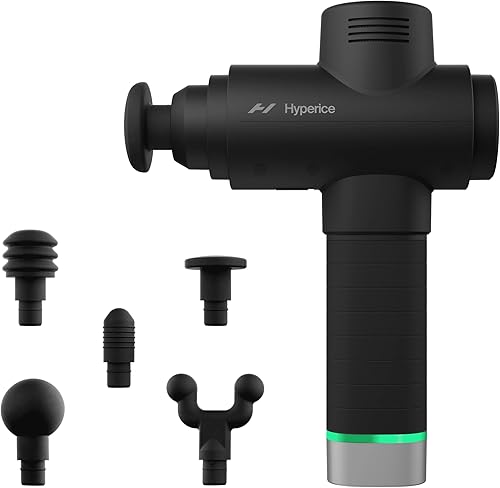
Research published in the Journal of Clinical and Diagnostic Research found that percussion therapy reduces DOMS by up to 50%. Pneumatic compression devices improve blood flow and lymphatic drainage, helping clear metabolic waste from tired muscles.
Dont Skip Sleep
Here is the part the gadgets cant replace. Sleep is where most of the actual repair happens. Growth hormone climbs during deep sleep and thats when muscle rebuilds. You can plunge and percuss all you want, but if you are running on five hours none of it counts for much. Aim for seven to nine, and protect the night after a hard session especially.
Putting It in Order
So what does a real routine look like. Refuel within a couple hours, protein with some carbs. Do a few minutes of easy movement to flush things out. Save the cold for cardio or competition days, not your heavy lifting days. Hit any sore spots with a massage gun or roller for five to ten minutes. Then the boring stuff, hydrate, eat real food, sleep. Thats basically it. Most of what works is unglamorous and free.