
Picking a foam roller seems easy until you actually start shopping. There’s a $12 stick of dense foam, and there’s a $200 vibrating roller with three speeds, and somehow both claim to do the same thing. Most people grab whatever shows up first on Amazon and end up with something thats either too soft to do anything or so aggressive they never want to touch it again.
So lets cut through the noise. Here’s what actually matters when you’re choosing a foam roller, in the order it matters.
The 4 Types of Foam Rollers (Pick One)
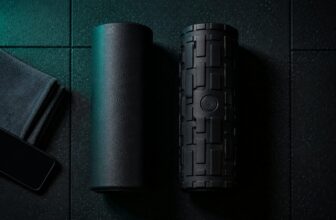
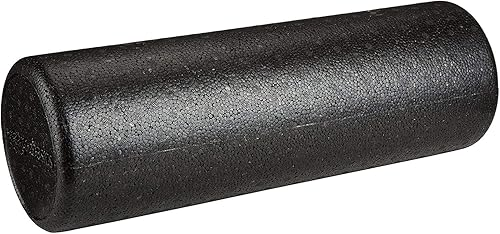
Smooth foam rollers are the entry point. Even pressure, no bumps, no ridges. Best if you’re new to rolling or have a low pain tolerance. The Amazon Basics version covers 90% of what most people need for under $15.
Textured (grid) rollers have raised bumps or ridges that target specific muscle groups more aggressively. Better for people who’ve used a smooth roller for a while and want to dig deeper. The TriggerPoint GRID and 321 STRONG fall in this category.
Vibrating rollers add a motor and 3 to 5 speed settings. The vibration helps muscle tissue relax faster, so you spend less time grinding and more time actually rolling. Way more expensive (usually $70 to $200), and probably overkill unless you’re rolling daily or recovering from hard training.
Half-rollers and rumble rollers are niche tools. Half-rollers (flat on one side) are for balance work and beginner rolling. Rumble rollers have aggressive raised teeth, only buy one if regular rollers feel too soft.
Bottom line, if this is your first roller, get a smooth or grid one. The vibrating ones can wait until you know you’ll actually use the thing.
Density: Soft, Medium, or Firm?
This is the part most people get wrong. Density determines how much pressure your roller delivers, and the wrong choice will either bore you or hurt you.
Soft (white): Forgiving, low pressure. Good for older adults, anyone with chronic pain, or first-timers easing into rolling. Wears out faster though.
Medium (often blue or red): The sweet spot. Firm enough to actually work tight muscles, soft enough that you wont brace through every session. Most people should buy this and stop overthinking.
Firm (usually black): Hard. Like rolling on a piece of wood at first. Best for athletes, lifters, or anyone with dense muscle tissue who’s outgrown medium. Skip this if you’re new.
If you’re not sure, default to medium density. You can always work up.
Length: 12, 18, or 36 Inch?
Most rollers come in three sizes and the right one depends on what you’re rolling.
- 12 inch: Targeted, portable, fits in a gym bag. Best for arms, calves, IT band, focused trigger point work.
- 18 inch: The do-it-all length. Long enough for back rolling, short enough to control. If you’re only buying one, get this.
- 36 inch: Full back coverage in one motion. Also doubles as a yoga or balance prop. The downside is it’s awkward to store and overkill for upper body work.
For 90% of people, 18 inches is the answer.
Material: EVA vs EPP vs EPE Foam
You’ll see these acronyms thrown around and most product descriptions don’t explain them. Here’s the short version:
- EPE (polyethylene): Cheapest, softest, breaks down fastest. Avoid unless you’re buying for a kid or someone very small.
- EPP (expanded polypropylene): Mid-tier. Holds shape well, decent firmness. The Yes4All EPP roller is a great example, holds up forever for under $15.
- EVA (ethylene vinyl acetate): Premium feel, best durability, most expensive. The TriggerPoint and other higher end rollers use this.
EPP is the value pick. EVA if you want something that’ll last 5+ years of daily use.
When to Skip the Roller and Get a Massage Gun Instead
Foam rollers and massage guns overlap, but they’re not the same tool. If you’re rolling primarily because you sit at a desk all day and your upper back is locked up, a massage gun will probably get there faster. If you’re targeting larger muscle groups (quads, hamstrings, lats), a roller usually wins on price-to-value.
We broke down the full comparison in Foam Roller vs Massage Gun: Which One Should You Buy First in 2026? if you’re trying to decide between them.
Quick Picks Based on This Guide
If you’ve read this far and just want a recommendation, here are two that match most people:
- Budget pick (under $15): The Yes4All EPP Foam Roller ticks every box, medium density, 18 inch, EPP material, and over 30,000 reviews backing it up.
- Step up ($25 to $40): The 321 STRONG Foam Roller is a grid-style roller with firmer density, ideal if you’ve outgrown a basic smooth one.
Frequently Asked Questions
How often should I foam roll?
Should foam rolling hurt?
Do expensive foam rollers actually work better?
Can a foam roller replace stretching?
Bottom Line
If you’re buying your first foam roller, get a medium-density 18 inch EPP smooth or grid roller. Skip the vibrating ones until you know you’ll actually use a basic one. The single biggest mistake is buying a soft white roller because it looks gentle and then never feeling anything from it.
The Yes4All and 321 STRONG rollers are both safe picks for under $40, and we’ve reviewed both individually if you want a closer look.
You might also like:
Gear Worth Considering
Three rollers that match the main categories in this guide: textured firm, smooth beginner, and vibrating.
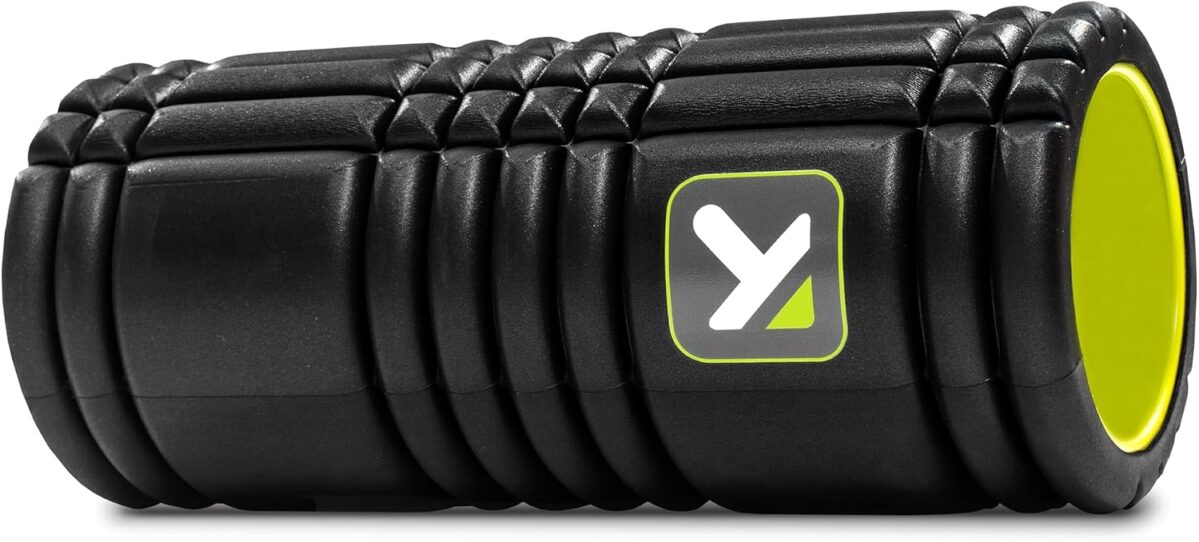
$24.97 on Amazon at time of writing · 4.7 stars from 23,000+ ratings
Check Price on Amazon
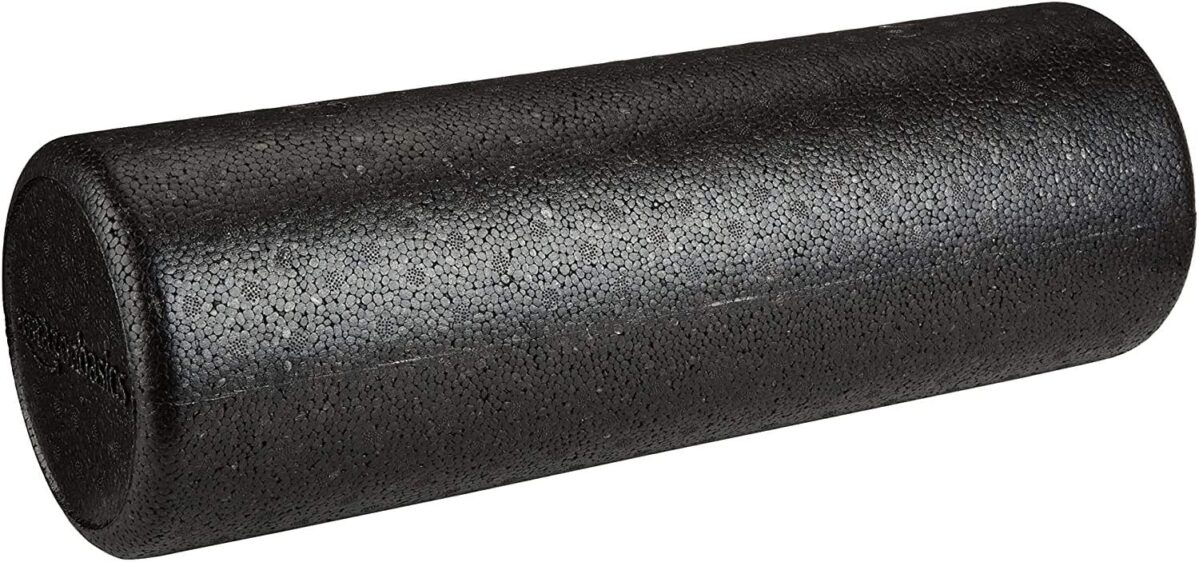
$16.99 on Amazon at time of writing · 4.5 stars from 17,000+ ratings
Check Price on Amazon
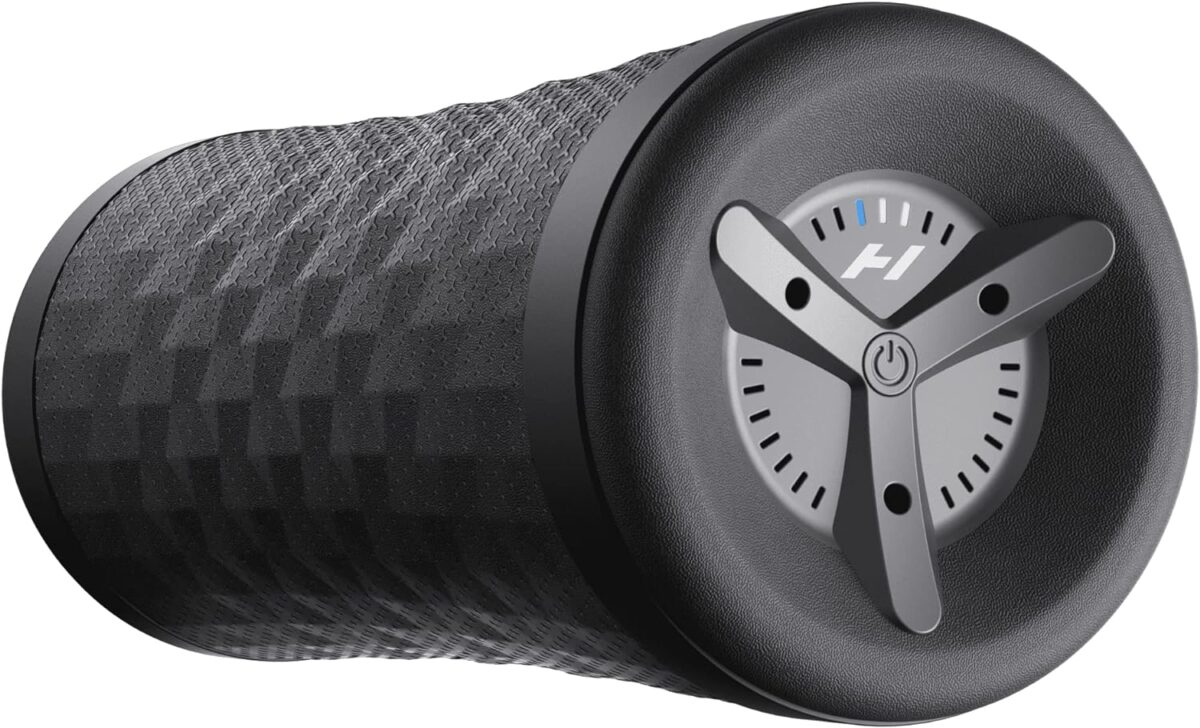
$159.00 on Amazon at time of writing · 4.4 stars from about 290 ratings
Check Price on Amazon
As an Amazon Associate, we earn from qualifying purchases.