


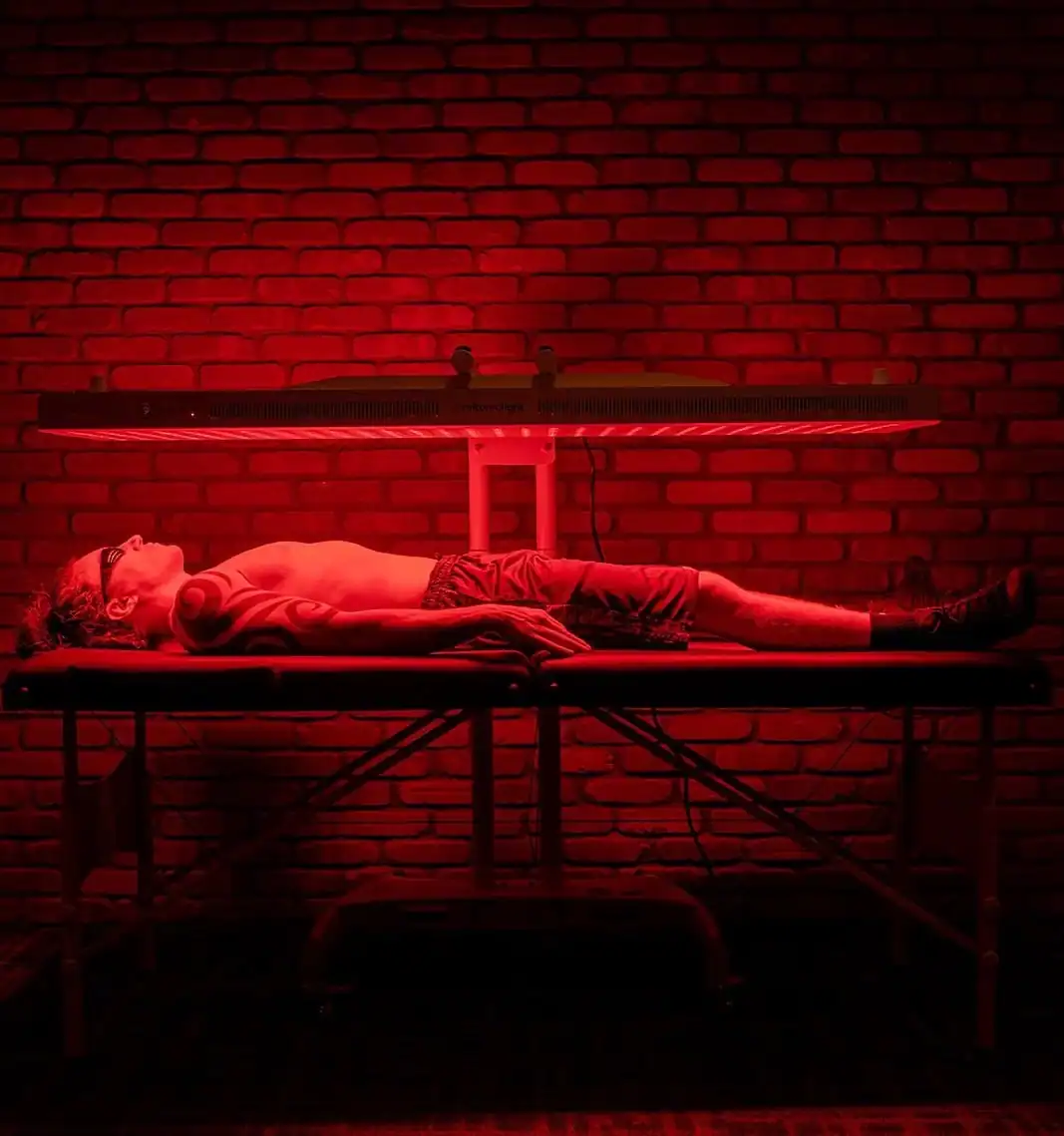
Red light therapy (also known as photobiomodulation) is one of the most promising recovery technologies available today. But the market is flooded with devices at every price point, and not all of them deliver clinically effective doses. This guide will help you understand exactly what to look for so you can separate the science-backed devices from the marketing hype.
How Red Light Therapy Works
Red light therapy uses specific wavelengths of light, primarily red (630-660nm) and near-infrared (810-850nm), to penetrate your skin and stimulate cellular energy production. When these wavelengths reach your mitochondria, they boost the production of adenosine triphosphate (ATP), your cells’ primary energy currency. This triggers a cascade of benefits including reduced inflammation, accelerated tissue repair, improved collagen production, and enhanced muscle recovery.
Types of Red Light Therapy Devices
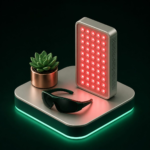
Targeted/Handheld Devices
Price range: $50-$200 | Best for: Spot treatment of injuries, face, or small areas
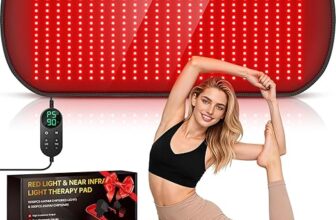
Small, portable devices that can be held against specific body parts. They’re affordable and convenient but only treat one area at a time. Treatment sessions for small areas typically take 5-10 minutes. Good for beginners who want to try red light therapy before committing to a larger panel.
Half-Body Panels
Price range: $300-$800 | Best for: Treating larger muscle groups and general recovery
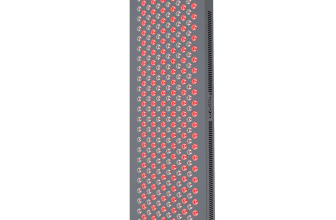
These mid-size panels (typically 18-24″ tall) can cover your torso or a full leg at once. They mount on a door or wall and provide noticeably more coverage than handheld devices. The MitoRED panel at $449 offers excellent power output and dual wavelengths at a competitive price point. Treatment times are typically 10-15 minutes per area.
Full-Body Panels
Price range: $800-$3,000+ | Best for: Full-body treatment in a single session
Large panels (36-72″ tall) that allow full-body treatment while standing. These are the most efficient option for athletes who want whole-body recovery benefits in a single 10-20 minute session. The Joovv Solo 3.0 ($1,449) is our premium pick, with industry-leading irradiance and build quality. Some systems allow you to connect multiple panels for even greater coverage.
Critical Specs to Compare
Wavelengths: Look for devices that offer both red (660nm) and near-infrared (850nm) wavelengths. Red light primarily benefits skin, collagen, and surface-level tissue, while NIR penetrates deeper for muscle, joint, and bone recovery. Dual-wavelength devices give you the full spectrum of benefits.
Irradiance (Power Density): This is arguably the most important spec. Measured in mW/cm², irradiance tells you how much light energy the device actually delivers to your tissue. Look for at least 100 mW/cm² at 6 inches from the device. Many cheap devices claim high wattage but have poor irradiance, the light scatters before reaching your cells.
Treatment area: Larger panels treat more surface area per session, reducing total treatment time. Calculate based on the body areas you want to treat most frequently. For recovery-focused use, a half-body panel is the minimum practical size.
EMF emissions: Quality devices should produce minimal electromagnetic field emissions. Look for third-party EMF testing results, readings should be near zero at the recommended treatment distance (6-12 inches).
Build quality and warranty: Red light panels are a significant investment. Look for aluminum or steel housings (not plastic), adequate cooling fans to prevent LED degradation, and warranties of at least 2 years. Premium brands typically offer 3-5 year warranties.
How to Use Red Light Therapy for Recovery
For muscle recovery, position the device 6-12 inches from your skin and treat each area for 10-15 minutes. Most research supports daily use, though 3-5 sessions per week can still provide significant benefits. Use it within 1-4 hours after training for best recovery enhancement. Consistency matters more than session length, shorter daily sessions beat occasional long sessions.
Our Recommendations
For a detailed look at our top-tested devices with performance data and real-world results, check out our Red Light Therapy for Recovery guide and individual reviews of the Joovv Solo 3.0 and MitoRED Panel.
You might also like:
Frequently Asked Questions
What wavelength should you look for in a red light device?
Look for 600-1100nm. Red light (600-700nm) is best for skin and surface tissues. Near-infrared (700-1100nm) penetrates deeper for muscle and joint pain.
How much power output do you need?
For home use, 30-100W per panel is solid. Professional devices run 1,000W+. Higher power = faster results, but even modest power works if you’re consistent.
Should you buy a panel or a whole-body device?
Start with a panel ($200-500). If you love it, a full-body device ($3,000+) is worth the upgrade. Most people get results with a simple panel.
Is expensive red light better than cheap?
Usually, yes. Cheap devices may use wrong wavelengths or low power. Mid-range ($300-800) offers the best value. Premium devices justify cost only if you’re using them daily.