






The Complete Guide to Post-Workout Recovery: Tools, Timing & Techniques
Post-workout recovery isn’t optional, it’s where your actual fitness gains happen. While training creates the stimulus, recovery allows your body to adapt, grow stronger, and prepare for the next session. Understanding recovery science and implementing a full strategy changes your results and prevents overtraining and injury.
The Recovery Timeline: What Happens After Exercise
Your recovery begins immediately after training stops. Within the first 30 minutes, your body is primed to absorb nutrients and initiate repair processes. The first 24-48 hours are critical for muscle repair and adaptation. Understanding this timeline helps you prioritize recovery actions at the most beneficial times.
Nutrition: The Foundation of Recovery
Protein and carbohydrates consumed within 30-60 minutes post-workout replenish glycogen stores and provide amino acids for muscle protein synthesis. This post-workout window is your body’s best opportunity to absorb and use nutrients. Don’t skip this crucial step regardless of your fitness goals.
Active Recovery: Movement Promotes Healing
Light activity on rest days increases blood flow without creating additional training stimulus. Walking, gentle yoga, swimming, or easy cycling all help recovery while preventing the stiffness that comes from complete immobility. Active recovery also improves mood and maintains movement patterns.
Sleep: The Underrated Recovery Tool
Sleep is where the majority of adaptation occurs. During deep sleep stages, growth hormone peaks, protein synthesis increases, and muscle repair accelerates. Aim for 7-9 hours nightly, with consistency mattering more than chasing perfect totals. Poor sleep undermines all other recovery efforts.
Foam Rolling and Self-Myofascial Release
Foam rolling reduces muscle tension, improves mobility, and enhances circulation. Apply gentle pressure for 60-90 seconds per muscle group post-workout or on recovery days. While foam rolling doesn’t directly repair muscle damage, it improves recovery by enhancing movement quality and blood flow.
Compression and Elevation
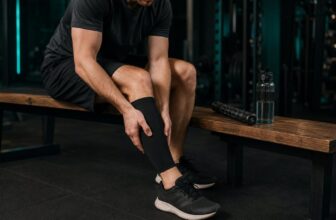
Compression garments enhance blood flow and reduce swelling. Wearing compression sleeves or full-length tights during recovery and the day after intense training supports the body’s natural recovery processes. Elevation of fatigued limbs similarly reduces fluid accumulation.
Stretching and Mobility Work
Static stretching post-workout improves flexibility and relaxation. Dedicating 10-15 minutes to gentle stretching addresses movement restrictions caused by training. Improved mobility prevents compensation patterns that lead to injury.
Hydration: Often Overlooked, Never Overestimated
Rehydrate with electrolytes after losing significant fluids through sweat. Proper hydration ensures best blood viscosity, nutrient transport, and waste removal. Drink consistently throughout the day, not just immediately after training.
Recovery Between Training Sessions
Space high-intensity workouts 48+ hours apart to allow complete recovery. If training the same muscle groups on consecutive days, ensure lower intensity on the second day. Listen to your body, persistent fatigue and decreased performance signal inadequate recovery.
Building Your Recovery Protocol
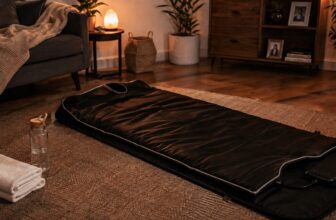
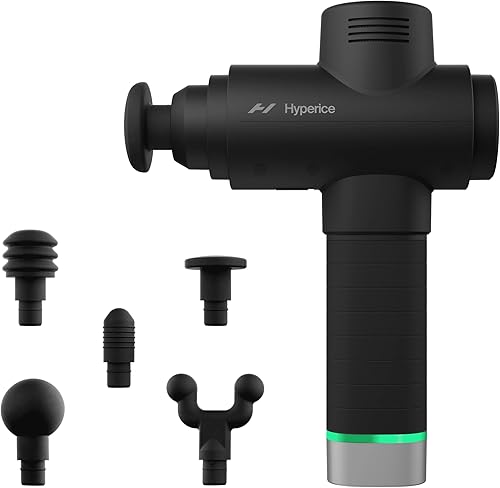
Set up the basics first: nutrition, sleep, hydration, and active recovery. Once these foundations are solid, layer in additional tools like massage guns, cold therapy, or red light therapy based on your needs and recovery capacity.
Conclusion: Recovery Is Training
full recovery isn’t luxury, it’s essential for long-term progress. The athletes who recover best progress fastest. Invest in your recovery with the same commitment you give to your training, and watch your results multiply.
Disclosure: Some links in this article are affiliate links. We may earn a commission at no extra cost to you.
You might also like:
Frequently Asked Questions
Is an ice bath better than a cold shower for recovery?
Ice baths deliver faster results because the full body immersion in cold water is more intense. Cold showers are a lighter stimulus but still beneficial and more convenient.
Can a cold shower provide the same benefits as an ice bath?
Not completely. Cold showers help, but the intensity and duration of an ice bath are hard to replicate. That said, a cold shower beats doing nothing.
How cold should a shower be?
Most people find 50-60°F (10-15°C) effective. You don’t need it as cold as a dedicated ice bath, even lukewarm cold water helps if you’re consistent.
Which is safer, ice baths or cold showers?
Cold showers are safer for beginners because you can control the temperature and exit anytime. Ice baths require more acclimation and monitoring.